Three Days in Rome Itinerary (Day-By-Day Guide)

Planning three days in Rome? This Rome itinerary is the most efficient way to explore the city in just 72 hours, covering all major landmarks without wasting time. It shows you exactly what to see, where to go, and how to make the most of your time.
I’ve visited Rome multiple times and refined this itinerary based on real experience, focusing on what actually works for first-time visitors. In 3 days, you can explore the Colosseum, Roman Forum, Vatican City, Trevi Fountain, and Trastevere while still enjoying the city at a relaxed pace.
Before your visit, read how to visit the Colosseum and how to visit the Vatican —these alone can save you several hours of your itinerary.
📌 Table of Contents
1. Three Days in Rome (Quick Overview)
This 3-day Rome itinerary is designed to help you explore the city efficiently by grouping attractions by location, so you can see more without wasting time traveling across the city.
Quick Overview: Three Days in Rome
Quick Answer: Three days in Rome is perfect for first-time visitors to see all major highlights if the itinerary is planned efficiently.
Day 1: Ancient Rome (Colosseum, Roman Forum, Palatine Hill, Pantheon) + Trevi Fountain
Day 2: Vatican City (Museums, Sistine Chapel, St. Peter’s Basilica) + Trastevere
Day 3: Hidden gems (Basilicas, Pincio Terrace, optional day trips) + Spanish Steps
📌 Best Areas to Stay: Historic Center or Trastevere
📌 Ideal Trip Length: 2–4 days (3 days is optimal)
✔ Why this itinerary works
• Attractions grouped by location to reduce travel time
• Balanced mix of landmarks, food, and viewpoints
• Designed for first-time visitors in Rome
If you have less time in Rome, see:
Staying longer?
- Explore the Five Days in Rome Itinerary
- Discover more in the Best Things to Do in Rome
TRAVEL TIP
2.⚠️Rome Travel Mistakes to Avoid
Quick Answer: The biggest mistakes in Rome include not booking skip-the-line tickets, overloading daily itineraries, and eating near major tourist attractions.
Avoid these common Rome travel mistakes to save time, money, and energy.
❌ 1. Don’t try to see everything in one day
Rome is not a checklist city. Packing too many attractions into one day leads to exhaustion and rushed experiences. Focus on key highlights each day instead.
❌ 2. Don’t skip pre-booking the Colosseum or the Vatican
Long queues can waste 2–3 hours easily. Always book skip-the-line tickets in advance, especially for the Colosseum, Vatican Museums, and St. Peter’s Basilica dome.
❌ 3. Don’t eat in tourist traps near major landmarks
Restaurants right next to the Colosseum, Trevi Fountain, or Pantheon are often overpriced and low quality. Walk 5–10 minutes away for better local food.
❌ 4. Don’t rely only on taxis
Rome traffic is slow and expensive by taxi. The metro + walking is usually faster for most attractions in this 3-day itinerary.
❌ 5. Don’t forget comfortable walking shoes
Rome has cobblestone streets everywhere. Stylish shoes will hurt your feet quickly — comfort is essential.
❌ 6. Don’t visit the Vatican without early arrival
Arriving late means huge crowds and long waits. Early-morning entry offers a much better experience.
❌ 7. Don’t underestimate walking distances
Even central attractions can be 10–25 minutes apart. Plan your day with clusters (like your itinerary already does).
❌ 8. Don’t skip sunset viewpoints
Places like Pincio Terrace and Capitoline Hill offer some of the best views in Rome — missing them means missing the magic of the city.
1. 3 Days in Rome Itinerary (Day-by-Day Plan)
Quick Answer: A three days in Rome itinerary is best divided into Ancient Rome, Vatican City, and the historic center with Trastevere for maximum efficiency.
Day 1 – Ancient Rome & Iconic Landmarks
Quick Answer: Day 1 in Rome covers Ancient Rome landmarks including the Colosseum, Roman Forum, Palatine Hill, Pantheon, and Trevi Fountain.
Piazza Navona
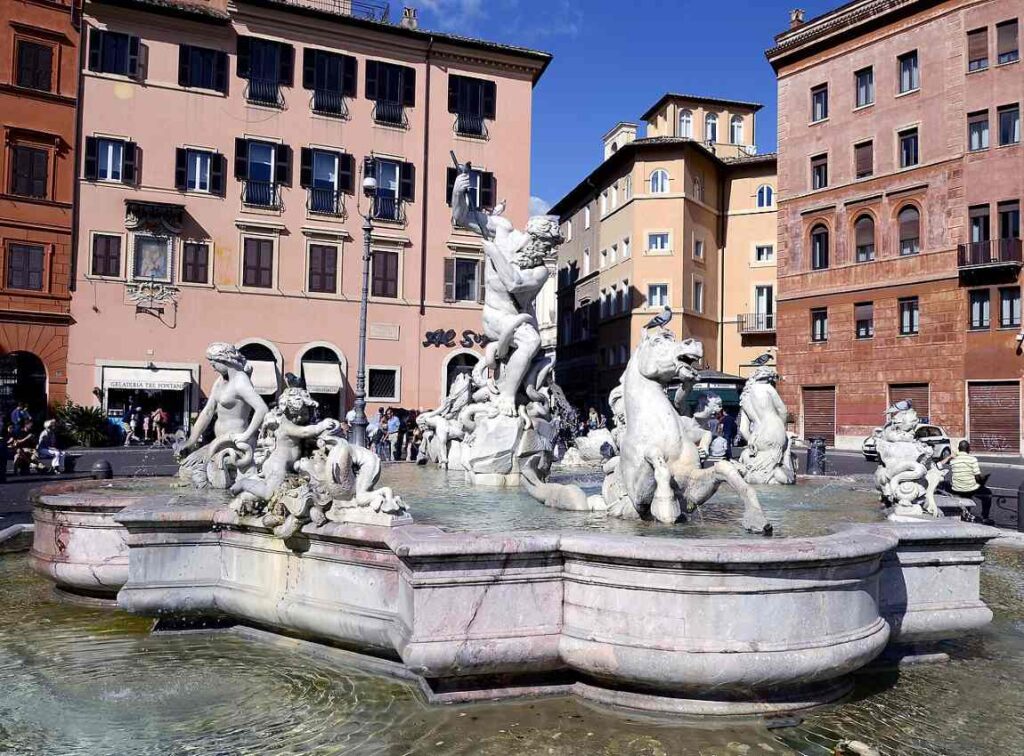
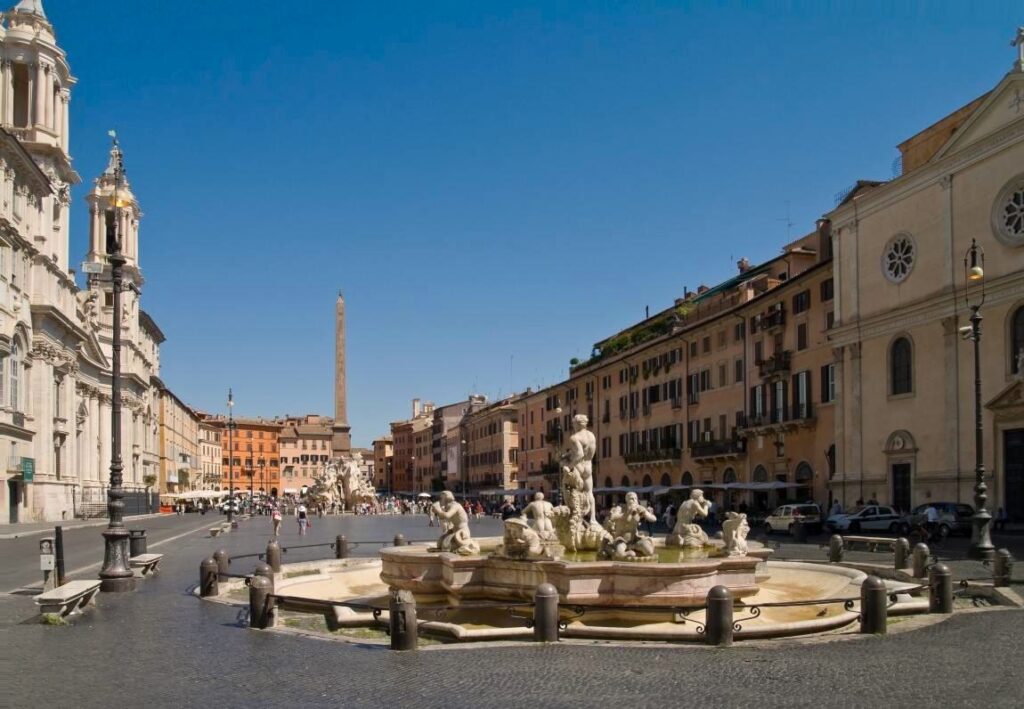
Begin your morning at Piazza Navona, one of the most elegant squares in Rome. Built on the ancient Stadium of Domitian, it still preserves its elongated Roman layout. The highlight is Bernini’s Fountain of the Four Rivers, surrounded by Baroque palaces, street artists, and cafés.
It’s free and open 24/7, making it an ideal start in your itinerary. Early morning is the best time to enjoy it peacefully before crowds arrive. Spend about 20–30 minutes here, soaking in the atmosphere.
From here, it’s just a quick walk through charming alleys to your first sweet stop.
GUNTHER Gelato
A few minutes from Piazza Navona, stop at GUNTHER Gelato e Golosità, one of the best artisan gelato spots in the city. Usually open from late morning, it offers €3–€5 gelato made with natural, seasonal ingredients.
This is your first real taste of Rome in your Rome trip. It sets the tone for the day—slow, joyful, and indulgent.
Enjoy your gelato while walking toward your next stop, just 2–3 minutes away, keeping your itinerary relaxed and walkable.
Pantheon
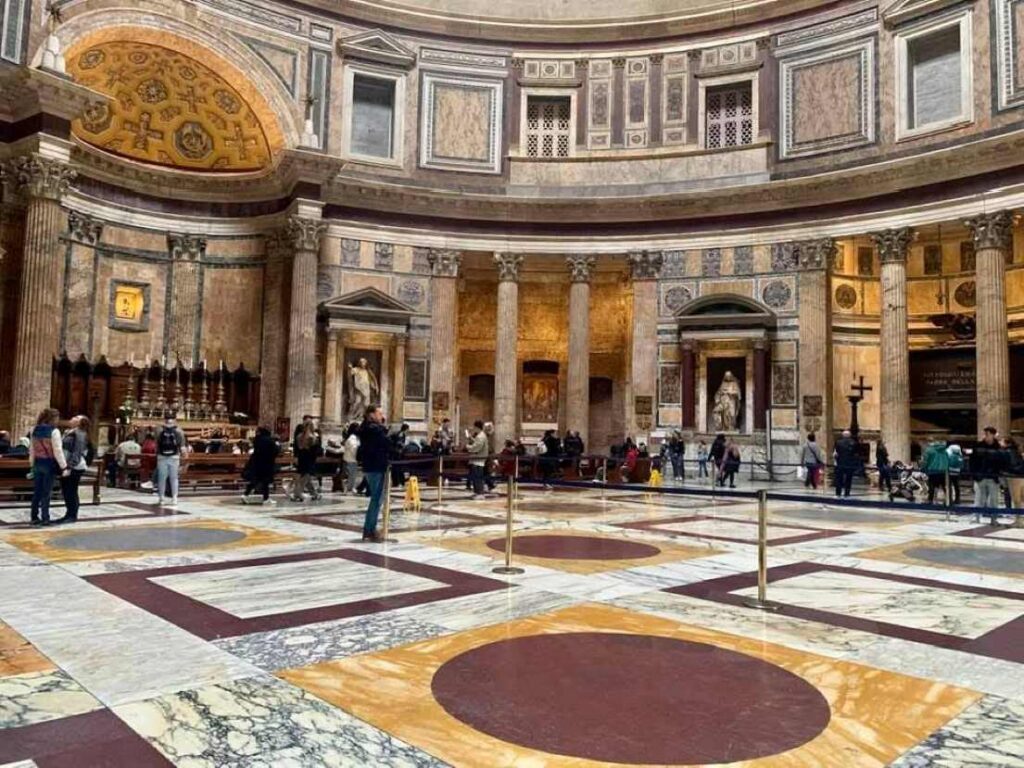
Next, the iconic Pantheon, one of the most impressive monuments in your itinerary. Open daily (typically 9:00 AM–7:00 PM), entry costs around €5.
Built nearly 2,000 years ago, it remains the best-preserved ancient Roman building. Its massive dome and open oculus create a breathtaking light effect inside that changes throughout the day.
I usually spend about 30 minutes here appreciating its scale and history. From here, continue your walk through the historic center toward your next highlight, the Trevi Fountain.
Trevi Fountain

Follow the lively streets and within 10 minutes you’ll hear the sound of water before you see the magnificent Trevi Fountain. Accessible at all hours and free to visit, it’s one of the most iconic stops on your list of things to see in Rome.
Completed in 1762, it’s a dramatic Baroque masterpiece. Toss a coin over your shoulder to ensure your return—tradition says it works. Spend about 20 minutes here, then continue your journey.
From the fountain, it’s a straightforward 10-minute walk downhill toward Piazza Venezia, where the city’s energy shifts from intimate to monumental.
Piazza Venezia & Vittoriano
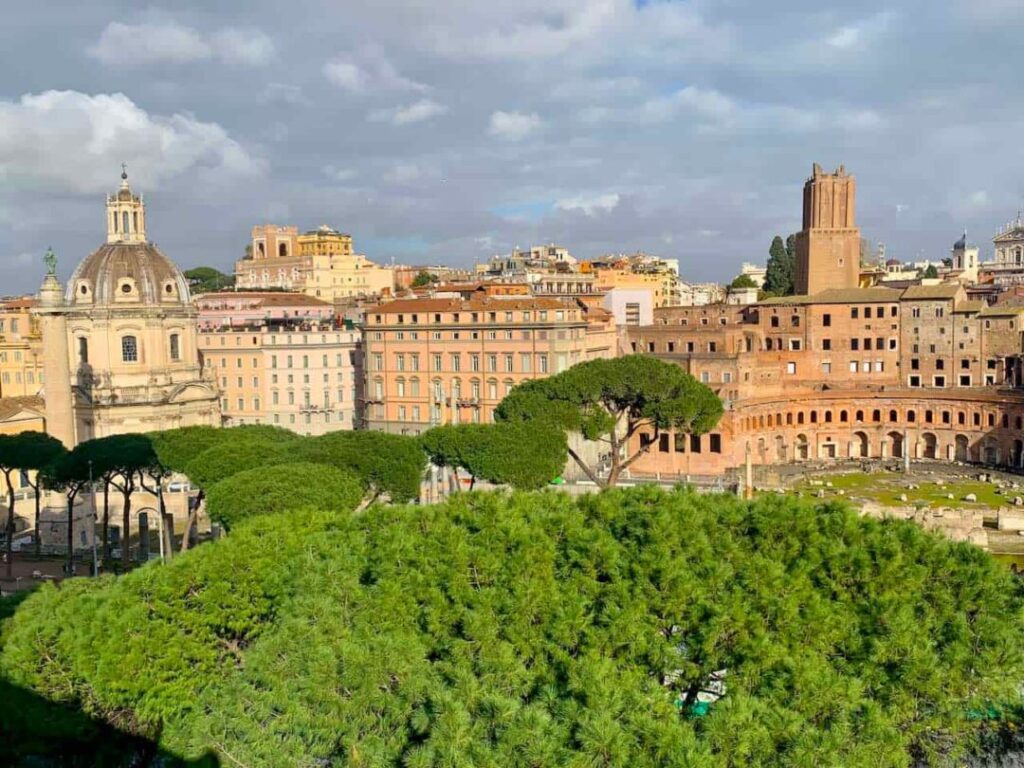
Arriving at Piazza Venezia, you’ll immediately notice the grand Altare della Patria (Vittoriano Monument).
Open daily (roughly 9:30 AM–7:30 PM for the terrace), this massive white monument honors Italy’s unification. Entry to the terraces costs about €12, and I always recommend going up—the panoramic views are incredible and help you orient yourself in the city. Spend about 30–40 minutes here.
When you’re ready, lunch is just a short 5-minute walk away, making lunch well-timed in this Rome itinerary.
Lunch – Diddi Bistrot
Just around the corner, Diddi Bistrot Ristorante is typically open from 12:00 PM onward. After a busy morning, this is your moment to pause.
Enjoy Roman classics like carbonara or amatriciana for €15–€20. Plan about an hour here—you’ll need the energy for the afternoon. This is a great moment to try classic Roman dishes—if you’re unsure what to order, see What to Eat in Rome.
Once you’re ready, the shift from Baroque Rome to Ancient Rome begins. The Colosseum is about a 20-minute walk along Via dei Fori Imperiali, or a short bus ride if you prefer. Either way, the transition feels like walking through history.
Colosseum
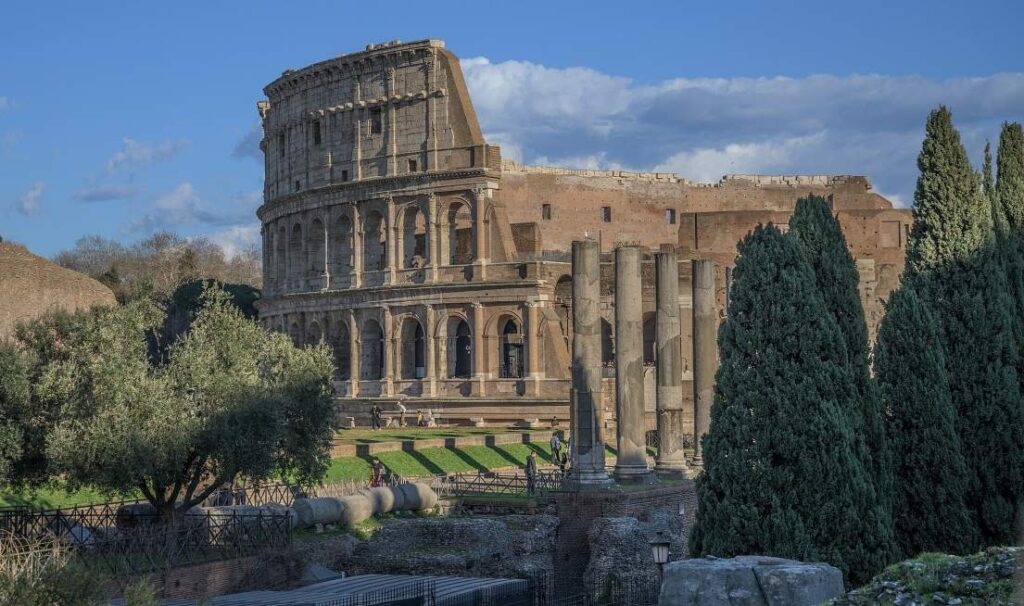
Arrive at Colosseum, one of the most important stops on your trip, around 2:00 PM. It is open daily (usually 8:30 AM–7:00 PM depending on the season), tickets cost around €16, and should be booked in advance. The Colosseum is one of the most visited attractions in Europe, and wait times can easily exceed 1–2 hours without pre-booked tickets, especially in peak season. To understand exactly which ticket to book, read how to visit the Colosseum.
Built in 80 AD, this massive amphitheater once hosted gladiator battles and public spectacles for tens of thousands of spectators. Plan to spend about an hour exploring its different levels and viewpoints.
Your next stop —the Roman Forum is located right next door, allowing your journey through ancient Rome to flow seamlessly without any extra travel.
Roman Forum
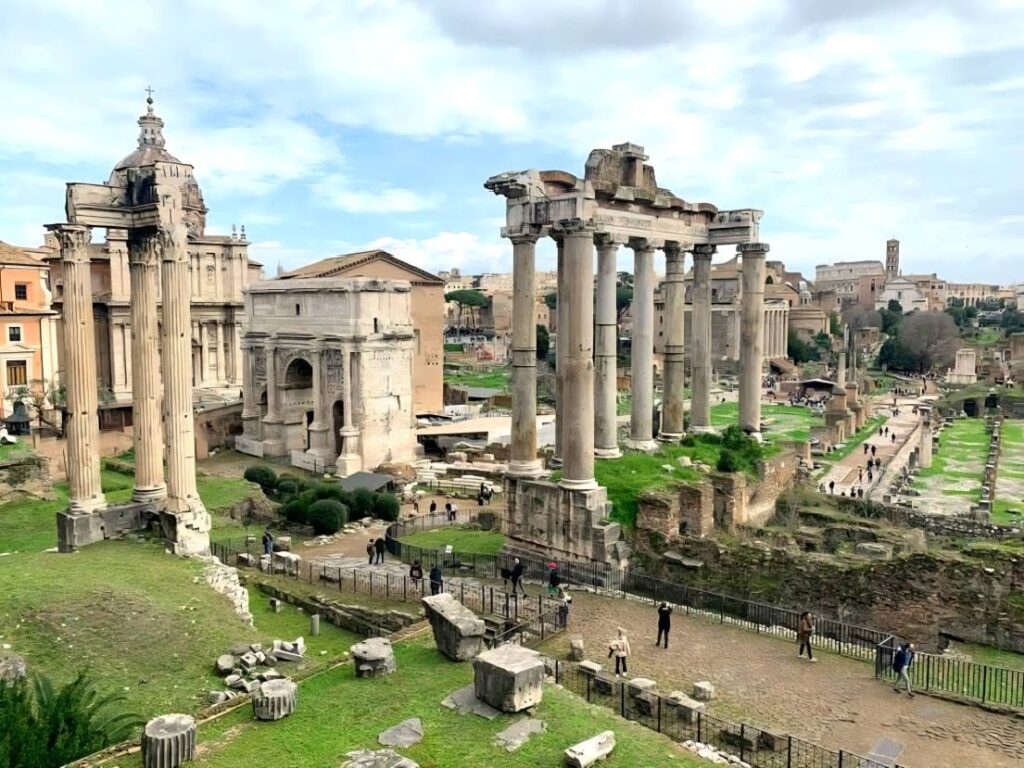
From the Colosseum, you'll simply walk through the same archaeological area into the Roman Forum. Included in your Colosseum ticket and open roughly the same hours (8:30 AM–7:00 PM), this was once the political, commercial, and social heart of the Roman Empire. As you wander through temples, arches, and ancient roads, you’re essentially walking through the original city center of Rome. Give yourself around 45–60 minutes here.
The Colosseum, Roman Forum, and Palatine Hill are all included in the same ticket.
Palatine Hill
As you naturally follow the pathways uphill, you’ll find yourself arriving at Palatine Hill without needing any navigation at all.
This is one of the most atmospheric parts of your itinerary. Open during the same hours and included in your ticket, this is where emperors once built their palaces and where, according to legend, Rome itself was founded.
Spend about 30–40 minutes here exploring ruins surrounded by pine trees and panoramic views over the Forum below.
When you’re ready, follow the exit path toward Capitoline Hill, which is just a relaxed 10–15 minute walk away, gently moving you from ancient imperial Rome into Renaissance city planning.
Capitoline Hill
From Palatine Hill, you continue on foot for about 15 minutes to reach Capitoline Hill, and the change in atmosphere is immediate. After ruins and open landscapes, you now step into a perfectly designed square shaped by Michelangelo.
It’s open at all times and free to visit, making it an easy pause on this itinerary. Spend around 20 minutes here, especially at the rear terrace overlooking the Roman Forum—you’ll see where you just walked, which makes the experience feel incredibly connected.
From here, go downhill toward the Tiber River, and within another 10 minutes on foot, you reach your next stop, the Mouth of Truth.
Mouth of Truth
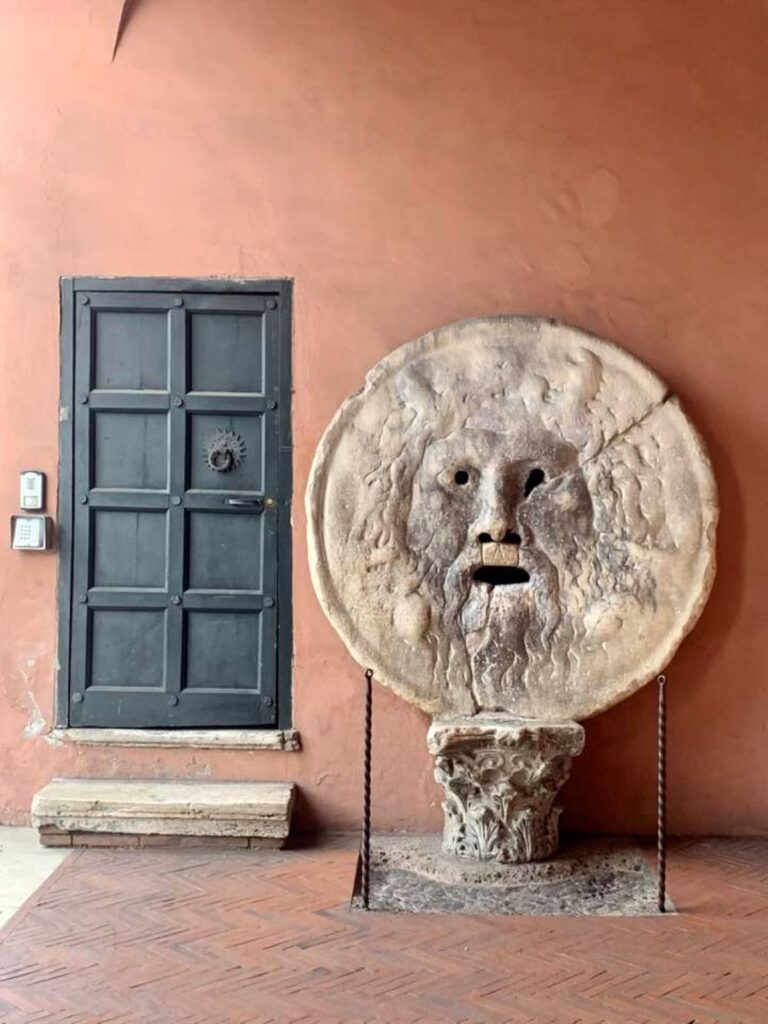
A short and pleasant walk brings you to the Bocca della Verità, located just outside the Church of Santa Maria in Cosmedin. Typically open from around 9:30 AM–5:50 PM and free to visit, this stop feels like a playful break after the intensity of ancient Rome.
Here, you’re now moving from imperial grandeur into Roman legend and folklore. Expect about 10–15 minutes here, including the classic photo tradition of placing your hand inside the marble mask.
From here, you naturally begin heading back toward central Rome, and it’s about a 15–20 minute walk (or short bus ride) to your dinner area near Campo de’ Fiori.
Dinner – Trentaquattro Roma
To end your first day, go to Trentaquattro Roma. Open from around 6:30 PM, it’s the perfect place to slow down after a full day of exploring. Here you’ll get some of the Best Italian Food and the Best Italian Desserts.
Expect classic dishes like carbonara or seasonal Roman specialties, with meals around €20–€35. This is where the day settles: good food, lively streets nearby, and the feeling that you’ve already experienced an incredible amount of Rome in just one day. From here, your hotel in the historic center (like Hotel Barrett near Pantheon) is likely just a short walk away.
If you’re traveling at a slower pace, you could easily stretch this into two days using my 2 days in Rome itinerary, which gives more time for each site.
Day 1 Tip: Book your Colosseum, Forum Romanum, and Palatine Hill around 2 pm to keep track with this itinerary.
Day 2 – Vatican City & Trastevere
Quick Answer: Day 2 focuses on Vatican City, including the Museums, Sistine Chapel, St. Peter’s Basilica, followed by an evening in Trastevere.
The second day of your 3-day Rome trip focuses on Vatican City and the surrounding area, where art, religion, and breathtaking architecture come together.
Start early today, before the crowds arrive. The Vatican Museums receive millions of visitors each year, and by mid-morning, queues can stretch for hours—arriving early makes a huge difference to your experience.
Vatican Museums, Sistine Chapel & St. Peter’s Basilica
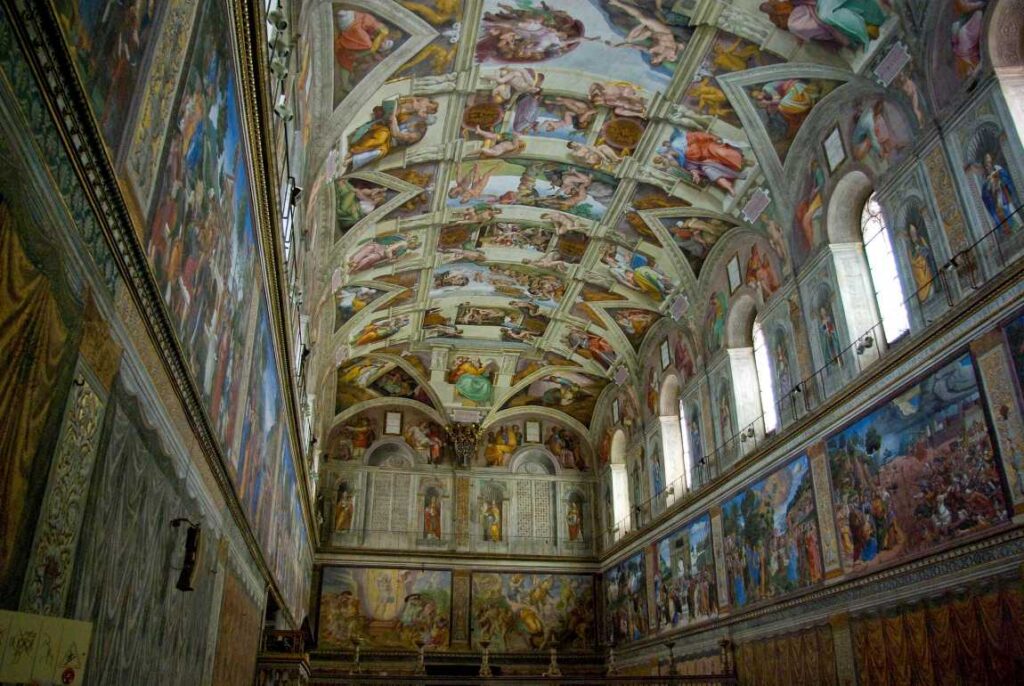
From central Rome, it usually takes me around 20–30 minutes by metro or bus to reach the Vatican Museums. So, you will want to arrive right at opening time (around 8:00 AM; closed Sundays except the last Sunday of the month). Tickets cost approximately €20–€30 and should be booked in advance.
Inside, you’ll explore one of the world’s greatest art collections, moving through galleries that lead naturally to the Sistine Chapel, the highlight of the visit.
From there, the route continues into St. Peter’s Basilica, which is free to enter and usually open from 7:00 AM–7:00 PM. Plan around 2.5–3 hours for the full experience.
The Vatican is one of the most complex attractions in Rome. My Vatican itinerary shows the best entrance, ticket options, and how to visit the Sistine Chapel stress-free.
St. Peter’s Dome

The dome of St. Peter's Basilica is just a few steps from the basilica entrance area.
It is open daily (usually 7:30 AM–5:00 PM in winter, longer in summer), and tickets cost about €8 if you take the stairs or slightly more with elevator assistance.
Climbing the dome is one of the most unforgettable moments in the Rome itinerary for first-time visitors. The climb from the basilica floor upward into the dome feels symbolic—you’re literally rising above the heart of the Vatican. Expect about 45–60 minutes for the climb and views. At the top, you’ll see sweeping panoramas over Rome, St. Peter’s Square perfectly aligned below you.
For exact entrance details, ticket options, and the best time to go, see my Vatican guide.
Lunch– Il Segreto Ristorante
After the climb, it’s a short 5–10 minute walk through the Vatican area to Il Segreto Ristorante.
Open from around 12:00 PM, this is your chance to slow down after a very full morning. Expect classic Roman dishes like pasta cacio e pepe or grilled fish, with prices around €15–€25. Spend about an hour here, letting your energy reset before the afternoon shift into a completely different side of Rome. From here, Trastevere is about a 20-minute journey by bus or tram, and that transition marks your move from sacred Vatican spaces into Rome’s most atmospheric neighborhood.
After lunch, head to Trastevere, one of the most authentic neighborhoods in Rome. If you’re interested in more local experiences like this, you’ll find additional ideas in my Best Things to Do in Rome guide.
Trastevere
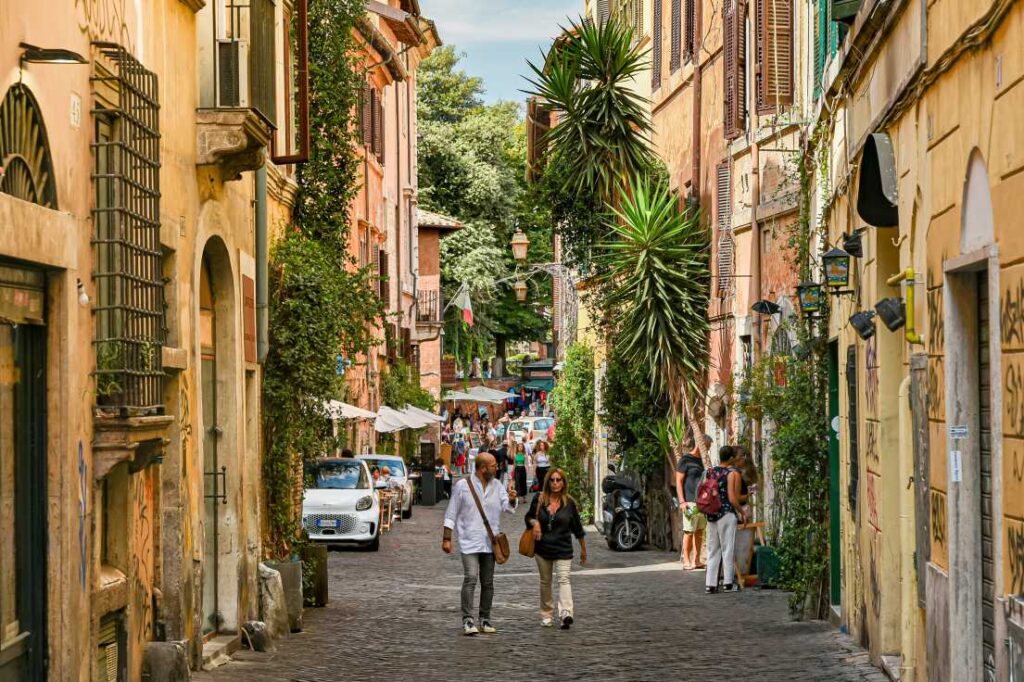
After lunch at Il Segreto Ristorante, it’s about 2–3 km to Trastevere—around 10–15 minutes by taxi or public transport, or roughly a 25–30 minute walk (my pace, at least!) if you want to enjoy scenic walks.
Arriving in Trastevere, you immediately feel the shift—narrow cobblestone streets, ivy-covered buildings, and a slower, more local rhythm. Start with the beautiful Basilica of Santa Maria in Trastevere, open daily roughly 7:30 AM–9:00 PM, and free to enter. Its golden mosaics date back to the 12th century and are among the oldest in Rome. Spend about 20–30 minutes here, then simply wander—Trastevere is best experienced without a strict plan.
Within a few minutes on foot, you can reach your next stops for food and gelato, all tightly packed within walking distance.
Gelato & Supplì Stops

From the basilica, it’s just a short stroll to Otaleg, one of Rome’s most innovative gelato spots. It is typically open from late morning until evening (hours vary by season). Expect €3–€5 for a cone. Just a few minutes away, you can also stop at Supplì Roma for classic Roman street food, usually also open from lunch through late evening. This is one of those effortless moments when you’re simply walking, tasting, and experiencing the city. Plan about 45–60 minutes for this relaxed food break.
From supplì to gelato, this is where Roman street food shines. For more inspiration, check my guides to the Best Italian Desserts and Best Italian Food.
Best Rooftop Bar in Trastevere
As evening approaches, head to Vista Trastevere Rooftop Bar. Typically open from late afternoon into the night, this is where your day naturally slows down.
Here you go, from busy streets to elevated calm, with sunset views over Rome’s rooftops and domes. Order a drink, sit back, and reflect on the day—from Vatican grandeur to Trastevere charm. This is one of those moments that truly defines the experience of the city: not just seeing the city, but feeling it. Spend your final hour here before heading back to your accommodation.
Vatican Tip: Book skip-the-line tickets for the Vatican Museums in advance — this is the most time-saving step for Day 2 in Rome.
Day 3 – Hidden Gems & Best Views
Quick Answer: Day 3 explores Rome’s hidden gems including basilicas, Spanish Steps, Pincio Terrace, and optional day trips to Tivoli or Ostia Antica.
Your final day of this three-day Rome itinerary explores a more spiritual and elegant side of Rome, combining sacred basilicas, relaxed food stops, and unforgettable viewpoints. A good idea is to take this day at a slower pace so you can truly absorb the atmosphere.
St. John Lateran & Holy Stairs
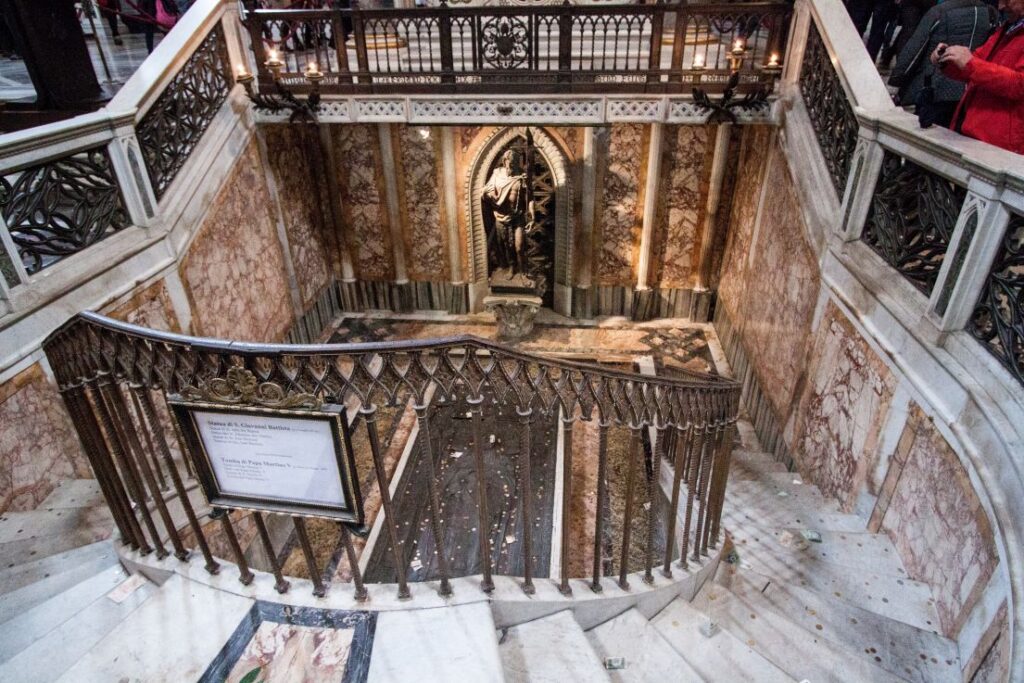
Start your morning at the Archbasilica of St. John Lateran, the official cathedral of the Pope and one of the oldest basilicas in the world. Open daily (around 7:00 AM–6:30 PM), entry is free. This basilica is one of its most significant religious sites. Open daily (around 7:00 AM–6:30 PM) and free to enter, it offers a quieter, more local atmosphere compared to the Vatican.
Right next to it, you’ll find the Holy Stairs, a deeply spiritual site believed to be the steps Jesus climbed during his Passion. Pilgrims often ascend them on their knees in silent devotion.
This is one of the most meaningful stops during your time in Rome, offering a powerful contrast to the ruins and fountains of earlier days. Spend about 60–75 minutes here before continuing your journey. (If you enjoy exploring Rome’s quieter and more spiritual side, you might also appreciate extending your stay using my 5 days in Rome itinerary, which includes more hidden gems.)
Where to Eat Near St. John Lateran
From St. John Lateran, it’s just a 5-minute walk to Sampietrino - L'Osteria di San Giovanni, a relaxed neighborhood spot perfect for lunch. Open from around 12:00 PM. Expect traditional Roman dishes like amatriciana or saltimbocca, with prices around €15–€25. Enjoy Roman life at the table and plan about an hour here.
Another great opportunity to try traditional Roman dishes—again. Browse the Traditional Roman Food Guide if you want to eat like a local.
Santa Maria Maggiore
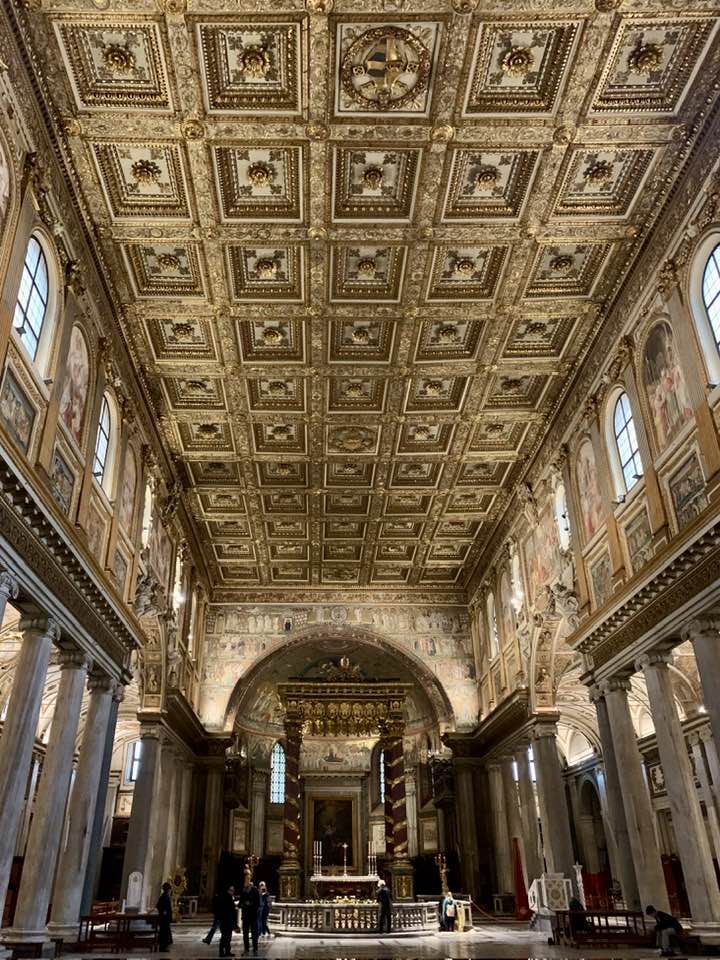
Next, arrive at the Basilica of Santa Maria Maggiore, one of the four major papal basilicas in Rome. Open daily (around 7:00 AM–6:45 PM), entry is free.
This is one of the oldest churches dedicated to the Virgin Mary and is famous for its stunning golden mosaics, ornate chapels, and sacred relics. It feels both grand and peaceful, making it a highlight in any three-day Rome itinerary.
Spend about 45–60 minutes here before stepping outside for a well-deserved treat.
From here, it’s just a brief stroll to your gelato stop.
Gelato Stop
Right near the basilica, stop at Gelateria S.M. Maggiore, a sweet pause during your day.
Open from late morning, it offers classic Roman gelato flavors for €3–€5. Enjoy your gelato while preparing for your next scenic walk toward the city center.
From here, it’s about 10–15 minutes to your next iconic stop.
Spanish Steps
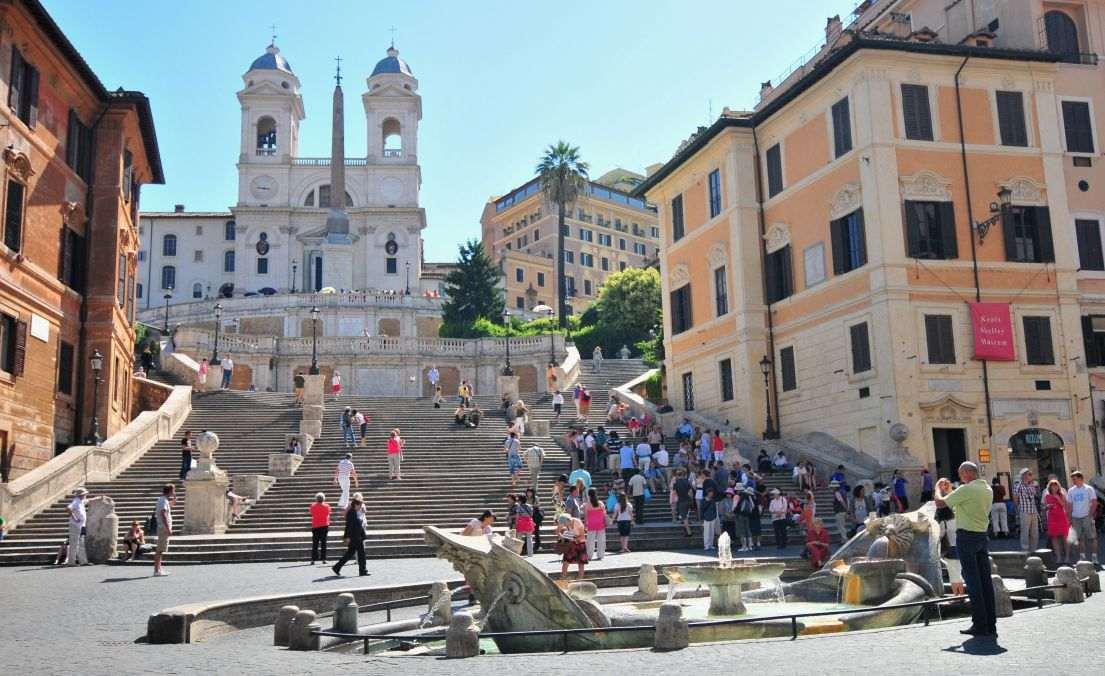
Next, arrive at the famous Spanish Steps, one of the most recognizable landmarks of Rome.
Free and open 24/7, the staircase connects Piazza di Spagna with Trinità dei Monti. It’s a lively area filled with travelers, artists, and luxury boutiques.
Spend around 15 minutes here, enjoying the atmosphere and taking photos before continuing toward your final viewpoint of the day.
Pincio Terrace
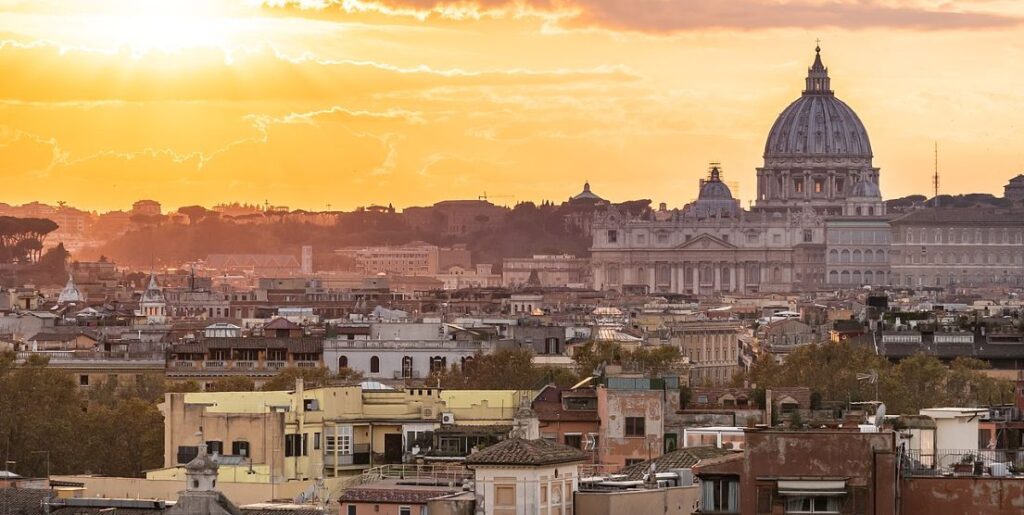
A short walk from the Spanish Steps brings you to Pincio Terrace, located above Villa Borghese. Free and open all day, it offers one of the most breathtaking panoramic views over Rome.
From here, you can see Piazza del Popolo, rooftops, and domes stretching into the distance. It’s one of my favorite places to end a day in Rome, especially at sunset.
These scenic spots are some of the most memorable parts of any 3-day Rome itinerary and are also included in my roundup of the Things to Do in Rome.
Spend 30–45 minutes walking the terrace and enjoying the golden light over the city.
From here, it’s time for your final dinner.
Mirabelle Restaurant
End your journey at Mirabelle Restaurant, one of the most elegant dining experiences in Rome, open from around 7:00 PM.
Located on a rooftop terrace, it offers refined Italian cuisine with stunning panoramic views over the city (€60–€120 per person).
This is the perfect final stop on your trip, celebrating everything you’ve experienced across three unforgettable days in Rome.
Day 3 Optional: Rome Day Trips
If you want more options, day trips from Rome let you explore beyond the city. Within 1–2 hours, you can visit places like Tivoli or Ostia Antica for a completely different side of Italy. It’s best to choose just one trip so you can enjoy it at a relaxed pace and still return to the city in the evening.
Tivoli – Best Day Trip from Rome for Villas & Gardens
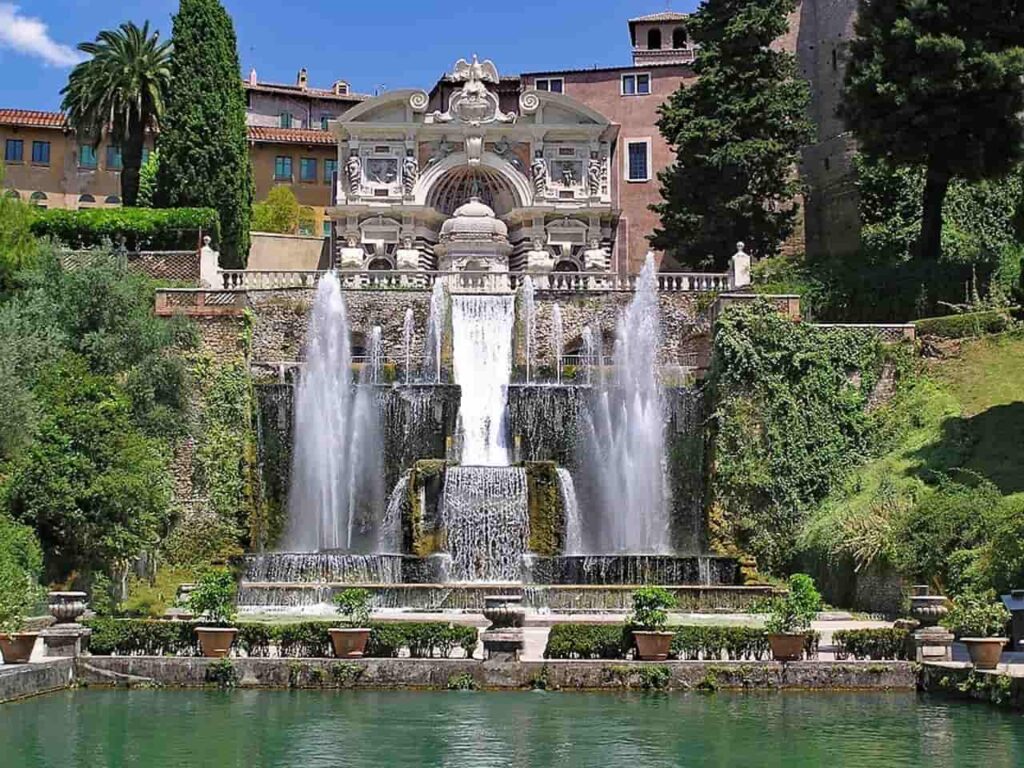
A day trip to Tivoli is one of my absolute favorite alternatives for Day 3. It’s about 45–60 minutes from Rome by train or bus, making the transition surprisingly easy and stress-free. It is best to leave early morning from Roma Termini and arrive in a completely different atmosphere—green hills, fountains, and a slower rhythm that feels like a breath of fresh air after busy Rome.
The highlight here is Villa d'Este, open roughly 8:30 AM–7:45 PM, with entry around €15. This UNESCO-listed villa is famous for its spectacular Renaissance gardens and fountains that feel almost theatrical in how they’re designed. You can easily spend 1.5–2 hours wandering through terraces, water features, and shaded paths. Everything flows downhill, so the visit feels natural and unhurried.
You can also explore Villa Adriana, the vast ruins of Emperor Hadrian’s ancient retreat. It’s larger and more open, so plan at least another 1.5 hours if you include it. Tivoli is one of those perfect escapes in a Rome three day itinerary when you want history, nature, and peace in one place.
Ostia Antica – Hidden Ancient Roman City Without Crowds

Another incredible alternative is Ostia Antica, located just 30–40 minutes away from central Rome by train from Piramide station. It’s one of the most underrated archaeological sites near the city, and I often recommend it to travelers who want something quieter than the Colosseum crowds.
Open roughly 8:30 AM–6:00 PM, with tickets around €12, Ostia Antica was once the ancient port city of Rome. Walking through it feels like exploring a smaller, more intimate version of the Roman Forum—but with far fewer tourists and much more space to breathe. You can wander through ancient apartment buildings, bakeries, mosaics, and even a theater that still feels remarkably intact.
You can also consider a Rome to Florence day trip if you want to experience another iconic Italian city in just one day.
Dreaming of something further south? If you have an extra day or want to continue your Italy trip after Rome, Naples is just over an hour away by high-speed train from Roma Termini. Chaotic, layered, and completely its own thing — it's the perfect next stop after Rome. See the full guide: Things to Do in Naples, Italy.
Day 3 Tip: Keep Day 3 flexible — choose between hidden gems in Rome or a day trip depending on your travel pace.
4. Rome Itinerary Map (3-Day Route)
5. Where to Stay in Rome for 3 Days
Quick Answer: The best area to stay in Rome for three days is the historic center near the Pantheon or Piazza Navona for walkable access to major attractions.
For your 3 days in Rome, I always recommend staying in the historic center of Rome because it makes everything in this itinerary feel effortless. You’ll be able to walk to most major landmarks and simply soak in the atmosphere instead of spending time commuting. If there’s one area that truly elevates a Rome three day itinerary, it’s the neighborhood around the Pantheon and Campo de’ Fiori.
One place I personally love Hotel Barrett . It’s tucked just steps from the Pantheon, which means you’re literally staying in the middle of everything. From here, Piazza Navona, the Trevi Fountain, and even Piazza Venezia are all an easy walk away. The location is unbeatable for 3 days in Rome, especially if you want to experience Rome early in the morning and late at night when the city feels quieter and more magical.
What makes this base so ideal is the convenience. You can return during the day to rest, drop bags, or reset before heading out again. In a city as rich and walkable as Rome, location really changes your experience—and staying here means your 3-day trip in Rome feels relaxed rather than rushed.
Accommodation Tip: Staying in the Historic Center or Trastevere reduces travel time and keeps attractions within walking distance
6. How to Get Around Rome (Transport Guide)
Quick Answer: The best way to get around Rome in three days is walking, as most attractions in the historic center are within 10–30 minutes of each other.
Most of your three days in Rome you will spend in the historic center of Rome, which is incredibly walkable. Most major landmarks in Rome’s historic center are within a 20–30 minute walking radius, which is why many travelers rarely need public transport during a short stay. In fact, I always say the city is best experienced on foot. Many of the highlights in this guide are all within 5–15 minutes of each other. Even longer stretches, like from the Pantheon to Basilica di Santa Maria Maggiore, take only about 25–30 minutes on foot, making walking the most natural and enjoyable way to explore.
When you need to go further—like to Vatican City, Trastevere, or the San Giovanni area—public transport becomes useful. Rome’s metro system is simple but limited, with just two main lines, so buses often fill the gaps and are frequently the best option. A single ticket costs about €1.50 and is valid for 100 minutes across the metro, buses, and trams. You can usually tap your card directly on validators, which makes things very easy for short stays like 3 days in Rome, Italy.
If you plan to use transport more often, consider a 24, 48, or 72-hour travel pass. It’s a convenient way to simplify movement across your 3 days Rome itinerary, especially on Day 2 when you’ll travel between Vatican City and Trastevere. Still, I always remind travelers: in Rome, the journey between places is often just as beautiful as the destination itself—so walk whenever you can.
If you’re planning a longer itinerary or combining multiple cities, my 5 Days in Rome Itinerary includes additional transport tips and day trip logistics. If you’re planning more cities, see my Rome to Florence Day Trip Guide.
7. Is 3 Days in Rome Enough?
Quick Answer: Yes — three days in Rome is enough to see the city’s main highlights if you plan efficiently and group attractions by location.
- Day 1: Ancient Rome (Colosseum, Roman Forum, Pantheon) + Trevi Fountain
- Day 2: Vatican City & Trastavere
- Day 3: Papal Basilicas or Day Trips
Spending 3 days in Rome is the perfect introduction to the city, but it’s rarely enough to see everything. For most first-time visitors, three days offers the ideal balance between must-see landmarks and time to enjoy Rome’s atmosphere without rushing. If you’re already thinking about coming back, I highly recommend exploring my Rome 5 day Itinerary or diving deeper into the Best Things to Do in Rome to continue discovering the city.
And if your trip continues beyond Rome, don’t miss my guide to the Rome to Florence day trip, one of the most popular extensions to any Italy itinerary.
8. What to See in Rome in 3 Days (Summary List)
- Colosseum
- Roman Forum
- Palatine Hill
- Capitolin Hill
- Pantheon
- Trevi Fountain
- Piazza Navona
- Mouth of Truth
- Vatican Museums
- Sistine Chapel
- St. Peter’s Basilica
- Trastavere
- Basilica of St. John Lateran
- Holy Stairs
- Basila od Santa Maria Maggiore
- Spanish Steps
- Pincio Terrace
- Pincio Terrace
- Tivoli
- Ostia Antica
👉 Planning your trip? These guides will help you:
- Colosseum Guide: tickets, skip-the-line tips, and how to visit the Roman Forum
- Vatican Guide: museums, Sistine Chapel, and St. Peter’s Basilica explained step-by-step
9. Rome 3-Day Itinerary FAQ
Quick Answer: Three days in Rome is enough to see the main highlights including the Colosseum, Vatican, Pantheon, and Trastevere if planned efficiently.
Is three days enough in Rome?
Yes. Three days in Rome is enough to see the Colosseum, Vatican City, Trevi Fountain, and Trastevere. It is the ideal amount of time for first-time visitors to experience Rome’s main highlights without rushing.
What should I not miss in Rome in three days?
You should not miss the Colosseum, Roman Forum, Palatine Hill, Vatican Museums, Sistine Chapel, St. Peter’s Basilica, Trevi Fountain, Pantheon, and Trastevere. These are the top attractions in any three-day Rome itinerary.
What is the best area to stay in Rome for three days?
The best area to stay in Rome is the historic center near the Pantheon or Piazza Navona. This location is central, walkable, and allows easy access to all major attractions in a short stay.
Do I need public transport in Rome?
No, you do not need public transport for most of Rome’s historic center. Walking is the best way to explore, but you may use the metro or bus for Vatican City or Trastevere.
What is the best time to visit Rome for three days?
The best time to visit Rome is spring (April–June) or early autumn (September–October). During these months, the weather is pleasant and crowds are smaller than in peak summer.
What is the best way to plan 3 days in Rome?
The best way to plan 3 days in Rome is to divide the city into three areas: Ancient Rome, Vatican City, and the historic center with Trastevere. This reduces travel time and helps you see all major attractions efficiently.
Can you see the Colosseum and the Vatican in three days?
Yes. You can easily see both the Colosseum and Vatican City in three days if you plan one full day for each and use the third day for the historic center and Trastevere.
Final Tip: Rome is best experienced at a slow pace—don’t try to rush all attractions in one day.