I Ate My Way Through Italy — Here’s The Best Italian Food You Must Try
The Best Italian Food to Try in Italy: Your Ultimate Bucket List
If you’re planning a trip to Italy, one thing’s for sure—you’re in for some of the best Italian food you’ll ever taste. Having traveled extensively across Italy, I’ve tried it all—from iconic classics to regional specialties—and I’m here to share the must-eat dishes you absolutely can’t miss.
This list is your go-to guide for authentic Italian flavors, packed with the best Italian dishes that tell the story of Italy’s rich culinary heritage. Whether it’s a slice of wood-fired pizza in Naples or creamy risotto in Milan, these are the best Italian foods that belong on your Italy bucket list. Let’s dive into the best Italian food to savor on your journey!
THIS POST MAY CONTAIN COMPENSATED LINKS. PLEASE READ MY DISCLAIMER FOR MORE INFO.
1. Pizza – Naples

No trip to Italy is complete without tasting authentic pizza, especially in Naples, where it all began. Naples is the birthplace of the classic Margherita pizza, a simple yet legendary creation topped with fresh tomato sauce, mozzarella di bufala, basil, and a drizzle of olive oil. Legend says this pizza was made in honor of Queen Margherita and represents the colors of the Italian flag.
What sets Neapolitan pizza apart is its thin, soft, and chewy crust, cooked at blistering temperatures in a wood-fired oven for just 60–90 seconds. The result is a perfect balance of smoky, tangy, and creamy flavors.
To experience the best Italian pizza, visit iconic pizzerias like L’Antica Pizzeria da Michele or Pizzeria Gino e Toto Sorbillo in Naples. Eating pizza here isn’t just about flavor—it’s about savoring tradition in every bite. Try also the pizza-making workshop with drink and appetizer in Naples!
2. Ragù alla Bolognese – Bologna
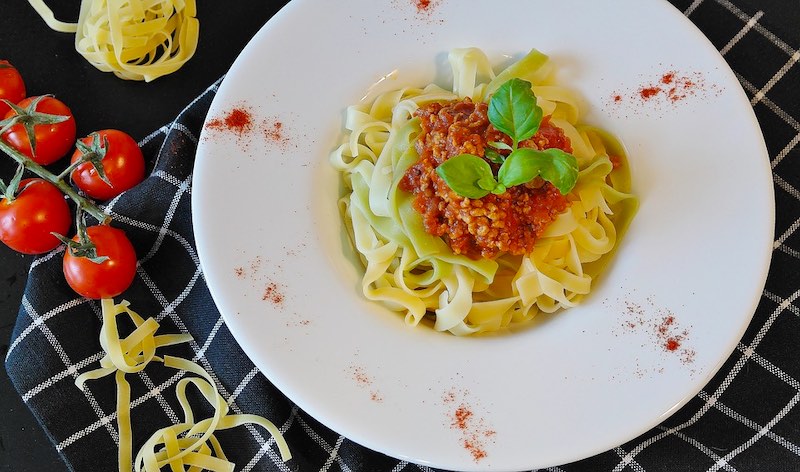
Ragù alla Bolognese is Italy’s ultimate comfort meat sauce, hailing from Bologna in Emilia-Romagna. This slow-cooked ragù blends minced beef and pork with soffritto (carrot, celery, onion), tomatoes, and wine, simmered gently to develop deep, rich flavors. It’s traditionally served with tagliatelle pasta or layered in lasagna.
Dating back to the 18th century, this dish showcases the art of slow cooking—a hallmark of Italian cuisine. The meat sauce is thick, savory, and perfect for cold days.
For an authentic experience, head to Bologna’s local trattorias like Trattoria Anna Maria or Osteria dell’Orsa, where the ragù is made fresh daily. Trying this dish in its birthplace connects you with a rich culinary history that’s at the heart of Italian cooking. Consider joining the walking food tour with a local guide for some truly delicous bites in Bologna.
3. Focaccia – Liguria (Genoa)
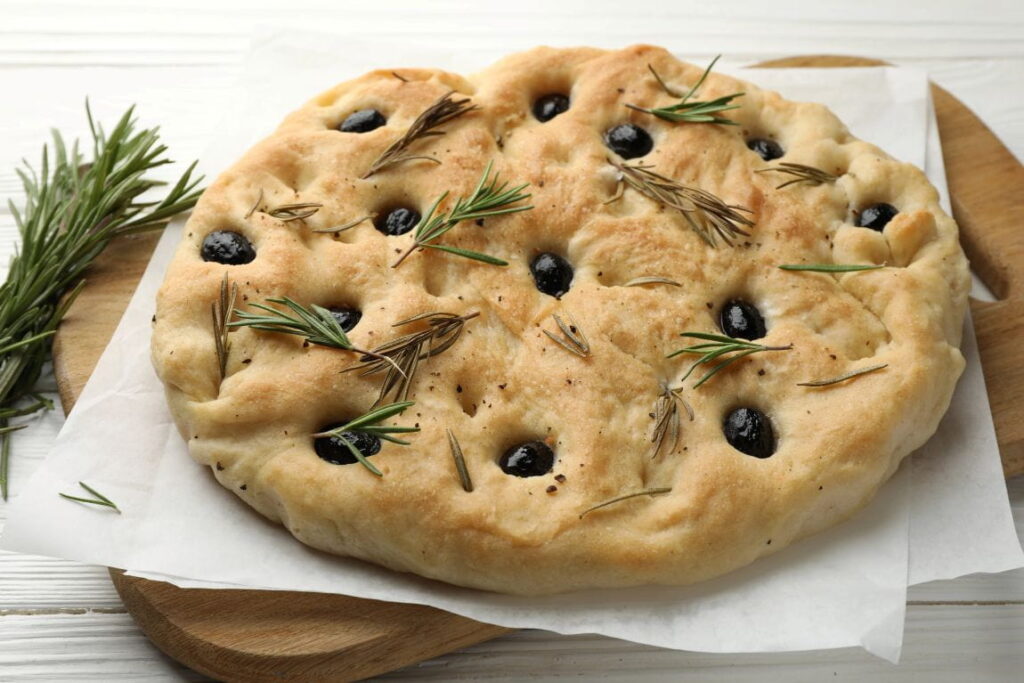
Focaccia is Liguria’s famous flatbread, especially beloved in Genoa. It’s simple—made with flour, water, salt, olive oil, and sometimes herbs like rosemary or olives. What makes focaccia special here is its crisp exterior and soft, airy inside, kissed by the region’s world-class olive oil.
Its roots go back to ancient Roman times, evolving into a staple for locals. Variations include Focaccia di Recco, a thin version filled with creamy stracchino cheese.
To taste the best focaccia, visit Focacceria Genovese in Genova or local bakeries in Liguria. Join this cooking class to learn how to make an authnetic focaccia in Genova. Eating focaccia here is a delicious way to connect with Italy’s love of simple, high-quality ingredients.
4. Spaghetti – Across Italy
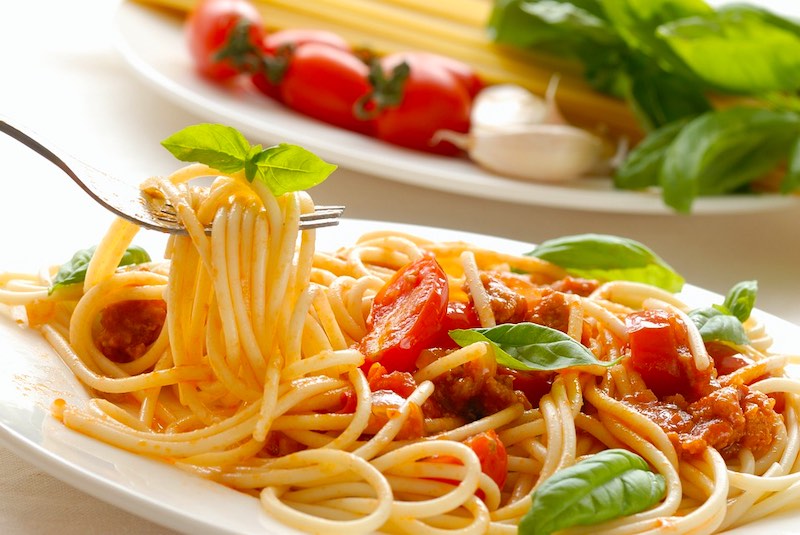
Spaghetti is Italy’s most iconic pasta, versatile and beloved everywhere from Rome to Sicily. While spaghetti can be served with countless sauces, one of the most famous spaghetti pasta dishes is Spaghetti alla Carbonara, a Roman specialty made with eggs, pecorino cheese, guanciale (pork cheek), and black pepper.
The history of spaghetti is a bit mysterious, but it’s clear that this pasta has been a staple in Italian kitchens for centuries. The magic is in its texture—firm yet tender noodles that soak up sauces perfectly.
To try the best spaghetti dishes, visit Rome’s traditional trattorias like Roscioli or Da Enzo al 29. Learn how to prepare spaghetti alla carbonara in this cooking class in Rome. Eating spaghetti in Italy means enjoying simple ingredients elevated to perfection.
If you’re planning your trip, check out my guide to the best things to do in Rome for more food and cultural experiences
5. Bistecca alla Fiorentina – Florence

When in Tuscany, you have to try Bistecca alla Fiorentina, a thick, juicy T-bone steak grilled over wood coals. This iconic Florentine dish showcases the region’s love for high-quality, simply prepared meats. The steak is typically from the Chianina breed of cattle, known for its tenderness and flavor.
Traditionally, the steak is cooked rare, seasoned only with salt, pepper, and a splash of olive oil, letting the natural beef flavor shine. The history of Bistecca alla Fiorentina dates back centuries and is deeply tied to Tuscan rural traditions.
For the ultimate experience, visit classic Florentine steakhouses like Trattoria Mario or Osteria dell’Oste, where the steak is grilled to perfection, or join this guided food tour with Fiorentina steak and wine. Eating this authentic Florentine dish in Florence is a carnivore’s dream and a true taste of Tuscan heritage.
If you’re planning a short visit, be sure to check out my 1-day Florence itinerary to see how you can fit this unforgettable dining experience into a perfectly curated day in the city—and if you’re coming from the capital, don’t miss my Rome to Florence day trip guide for tips on making the journey seamless and worthwhile.
6. Vitello Tonnato – Piedmont
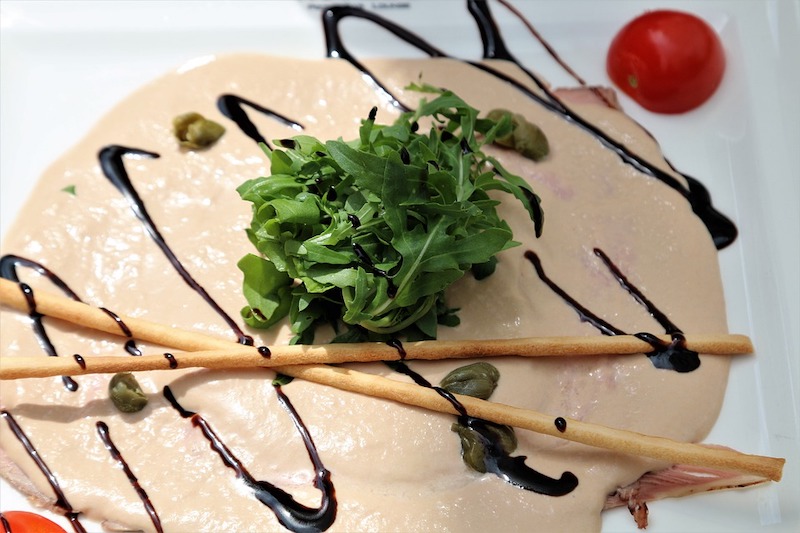
Vitello Tonnato is a deliciously unexpected cold dish from Piedmont combining tender slices of veal with a creamy, tangy tuna-mayonnaise sauce. It’s an elegant summer dish with roots in northern Italy, dating back to the 19th century.
The veal is slow-cooked until tender, then chilled and served thinly sliced, topped with a sauce made from tuna, capers, anchovies, and mayonnaise. The flavors are rich, creamy, and slightly briny, creating a unique blend of land and sea.
This famous Italian dish is a staple in Piedmontese restaurants, especially in Turin. For an authentic taste, try it on this Gourmet Food Tour in Turin or at Ristorante del Cambio, a historic eatery in Turin that’s been serving local classics for centuries.
7. Pesto alla Genovese – Genoa
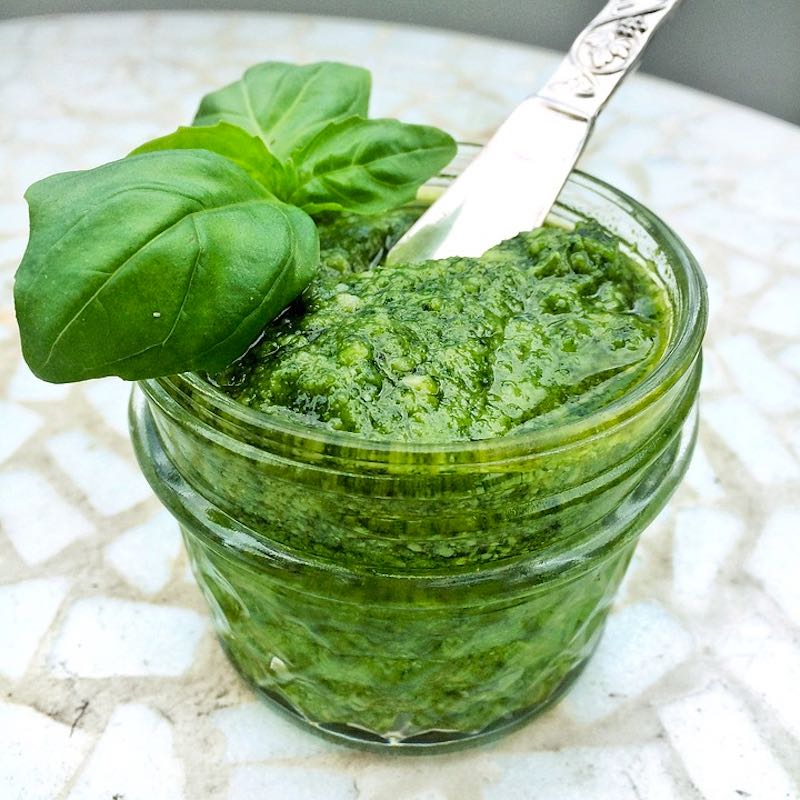
Pesto alla Genovese is Liguria’s world-famous green sauce made from fresh basil, pine nuts, garlic, Parmesan cheese, and olive oil. Originating in Genoa, it’s traditionally made with a mortar and pestle, giving it a fresh, aromatic quality that’s hard to beat.
The history of pesto goes back hundreds of years, linked to Liguria’s abundance of basil and olive oil. Pesto is most commonly served with trofie or trenette pasta, perfectly capturing Ligurian flavors.
Try pesto where it was born: Genoa. Learn how to make pesto in the Homemade Pasta & Pesto Local Chef Class with Wine in Genoa, or visit places like Trattoria da Maria to savor freshly made pesto with local pasta, a must-try for any Italian food bucket list.
8. Truffle – Piedmont
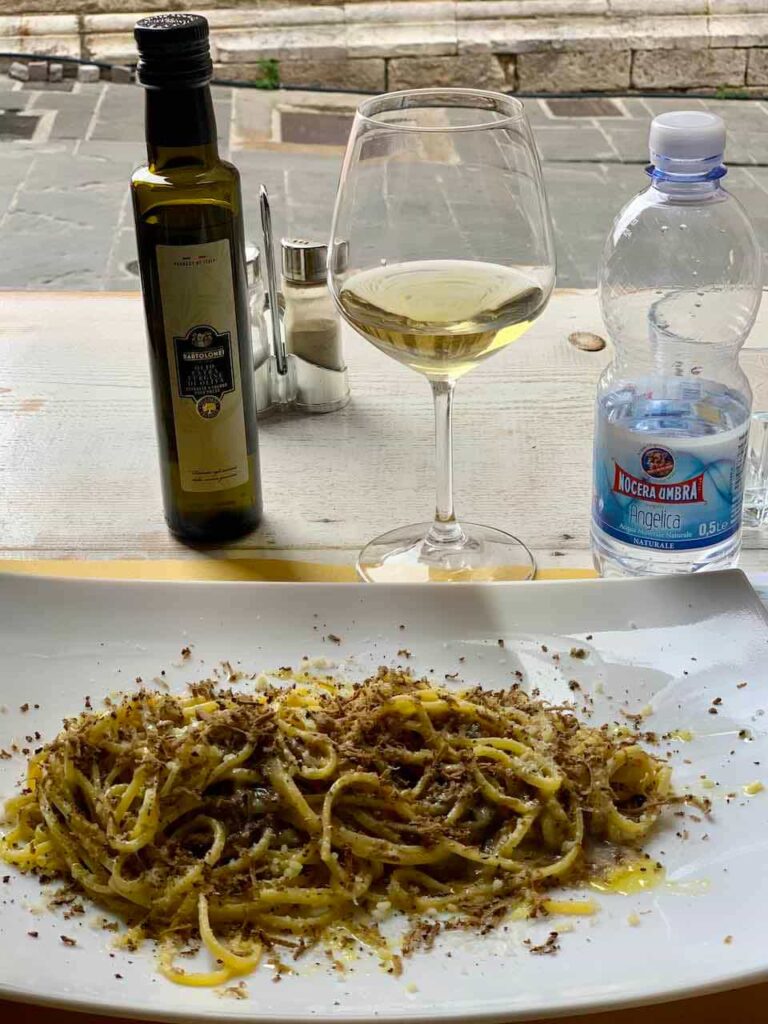
Tartufo, or truffle, is one of the most luxurious and unforgettable ingredients in Italian cuisine. These rare fungi grow underground near the roots of oak and hazelnut trees and are foraged with the help of specially trained dogs. Their intense, earthy aroma adds a touch of magic to even the simplest dish.
Italy is home to two prized varieties: white truffles, found mainly in Piedmont, and black truffles, abundant in Umbria. White truffles are more aromatic and typically served raw—shaved over pasta, risotto, eggs, or beef carpaccio—while black truffles are milder and often used in sauces and spreads.
For the ultimate truffle experience, head to Alba, the truffle capital of Piedmont, especially during the International White Truffle Fair in autumn. Restaurants like Piazza Duomo create refined dishes that let the tartufo shine. In central Italy, the town of Norcia in Umbria offers rustic black truffle dishes in local trattorias, with the chance to join guided truffle hunts in the surrounding forests.
Whether enjoyed in a fine dining setting or a countryside kitchen, tasting fresh Italian truffles in their native regions is an unforgettable highlight of any foodie’s journey through Italy. And, A truffle hunting experience in Langhe is always a good idea!
9. Lasagna – Emilia-Romagna
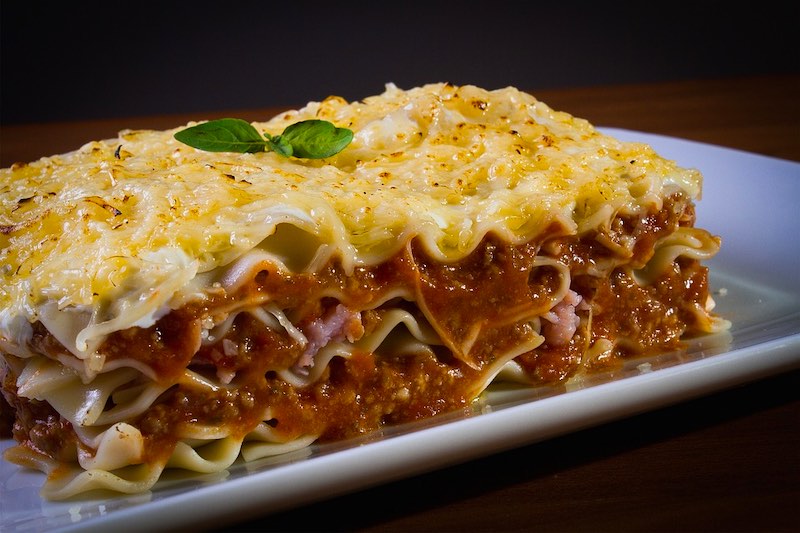
Lasagna is a hearty baked pasta dish made from layers of wide flat noodles, ragù alla Bolognese, béchamel sauce, and Parmesan cheese. Emilia-Romagna is the home of classic lasagna, where every layer bursts with creamy, meaty goodness.
Dating back to ancient Rome but perfected in Bologna, lasagna is a comfort food classic and a perfect dish to share.
Master the art of making Lasagna alla Bolognese in this cooking class in Bologna. For authentic lasagna, try Osteria dell’Orsa or Trattoria da Gianni in Bologna, where the traditional recipe has been lovingly preserved.
10. Gnocchi – Across Italy
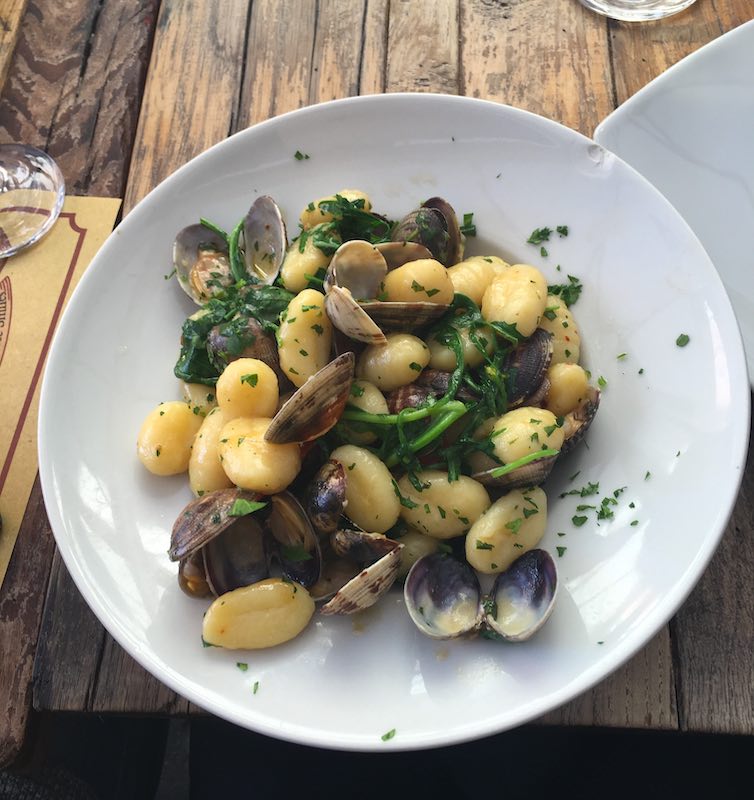
Gnocchi are soft, pillowy potato dumplings enjoyed all over Italy with various sauces. Their origins date back centuries, with many regional variations including gnocchi made from ricotta or semolina.
Gnocchi are typically served with tomato sauce, pesto, or butter and sage, offering a comforting, delicate texture that melts in your mouth.
For the best gnocchi, head to Rome or northern Italy. Try Felice a Testaccio in Rome for classic Roman-style gnocchi, or explore local trattorias for regional twists.
11. Risotto – Milan
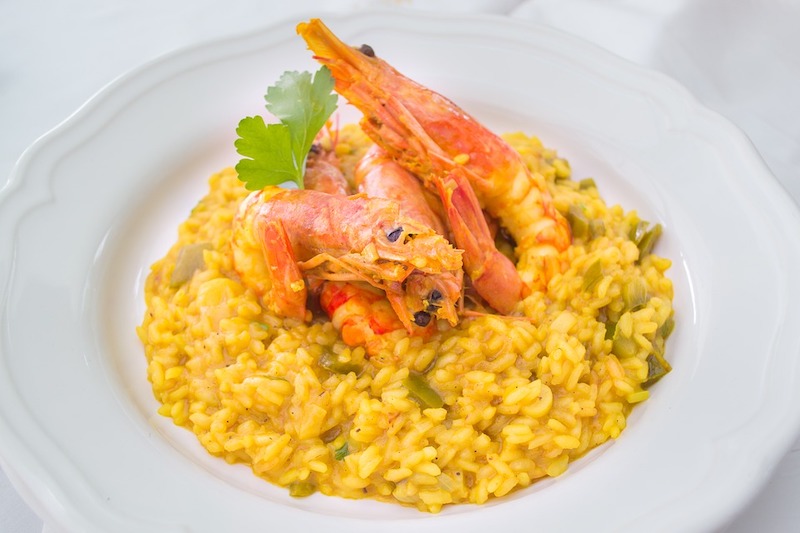
Risotto is Northern Italy’s creamy, comforting rice dish, with Milan’s Risotto alla Milanese being the star. This iconic dish is made with Arborio rice, slow-cooked in broth with saffron, butter, onions, and Parmesan, creating a rich, velvety texture and a distinctive golden color.
The history of risotto dates back to the 16th century in Milan, where saffron was first introduced. This dish perfectly showcases Northern Italy’s love for luxurious yet simple ingredients.
For an authentic experience, savor iconic Risotto on this food tour in Milan or visit Ratanà or Trattoria Milanese in Milan, where the risotto is prepared traditionally and served with a side of local culture.
12. Ravioli – Emilia-Romagna
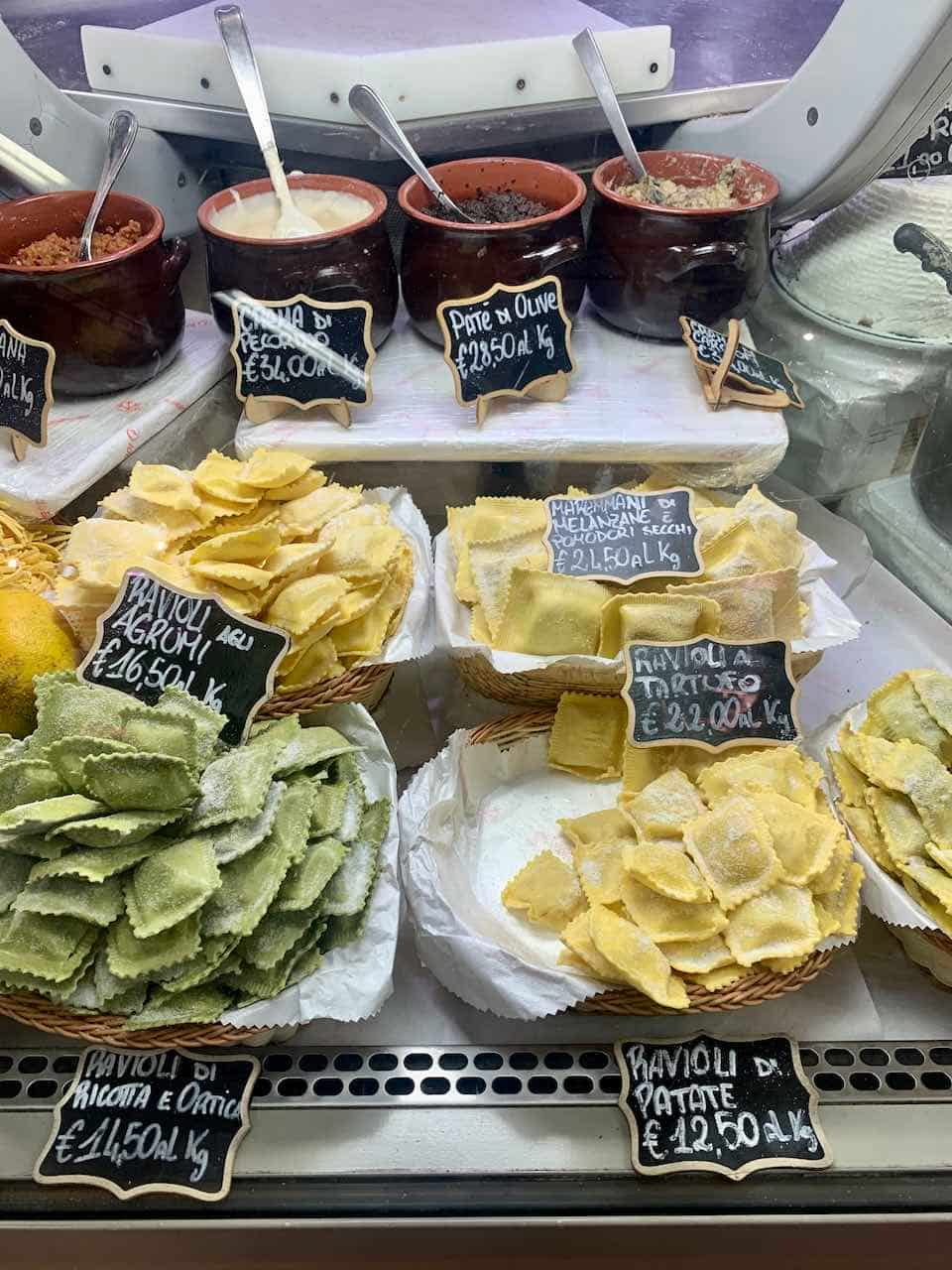
Ravioli are delicate stuffed pasta pockets, originating in Emilia-Romagna but enjoyed across Italy. Fillings range from ricotta and spinach to meat or pumpkin, making ravioli versatile and deeply satisfying.
Dating back to the Middle Ages, ravioli reflect the regional bounty of fresh ingredients. They’re typically served with sage butter or light tomato sauces to complement the filling.
For the best ravioli, try Drogheria della Rosa in Bologna, where fresh pasta is made daily with love and skill.
13. Tagliatelle – Bologna
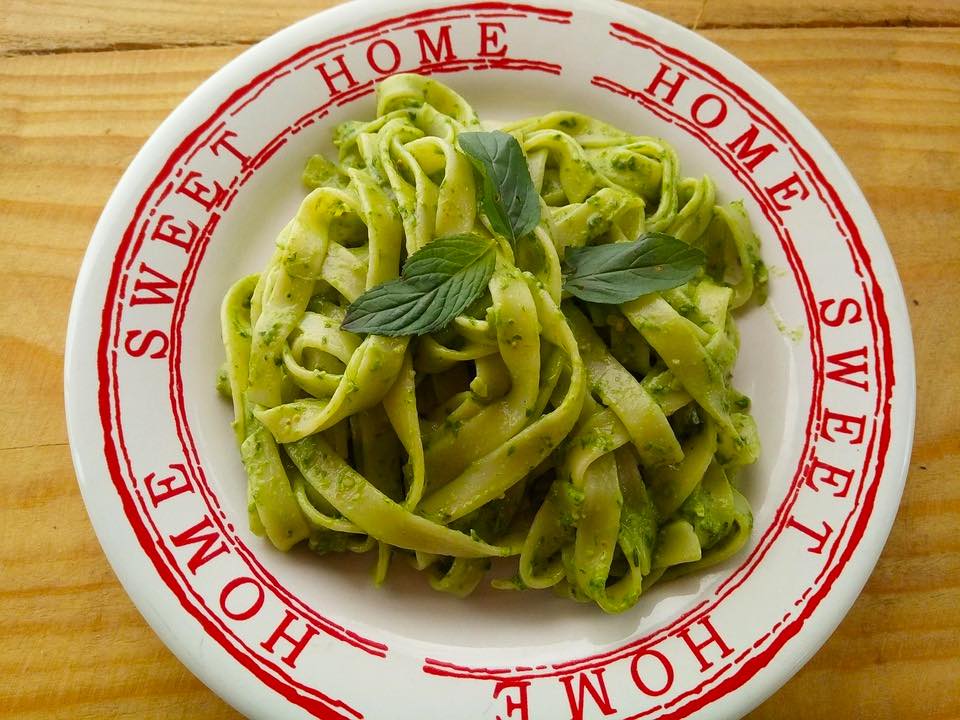
Tagliatelle are long, flat ribbons of pasta traditional to Bologna, often paired with the famous Ragù alla Bolognese. This pasta is made with egg dough, providing a tender yet firm texture perfect for hearty sauces.
The shape and texture make tagliatelle ideal for absorbing rich meat sauces, a reason it’s deeply rooted in Emilia-Romagna’s culinary heritage.
For authentic tagliatelle, dine at Trattoria Meloncello in Bologna, where pasta is handmade and the ragù is simmered for hours. Read more about it in my guide to the Best Things do Do in Bologna
14. Pappardelle – Tuscany
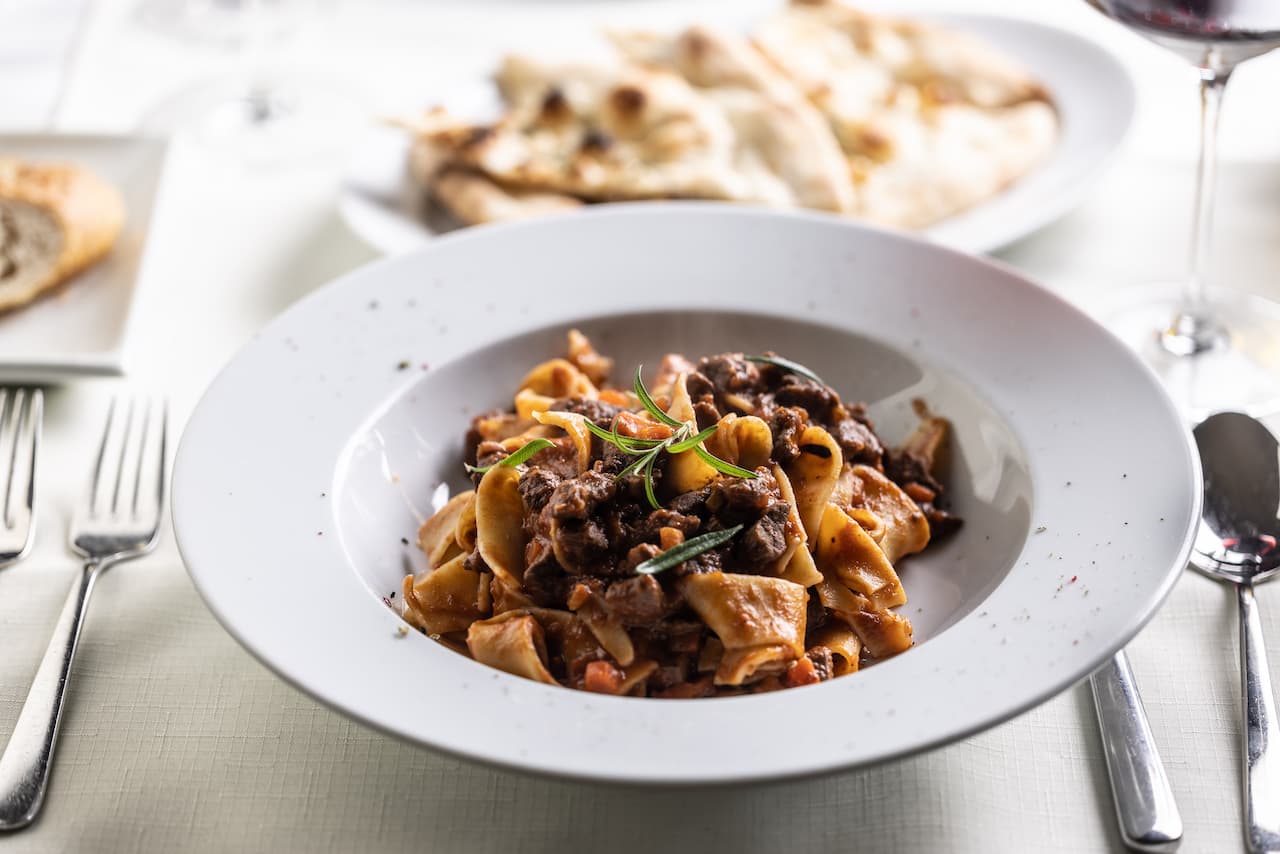
Pappardelle are wide, flat ribbons of pasta from Tuscany, traditionally served with rich, gamey sauces like wild boar ragù. This pasta’s broad surface holds thick sauces beautifully.
Dating back to Renaissance Tuscany, pappardelle are often associated with rustic country cooking and hearty meals.
Pappardelle al cinghiale is one of the must-try dishes in Florence. Read my complete guide to What To Eat in Florence. Try pappardelle with wild boar ragù at Osteria Vini e Vecchi Sapori in Florence, an ideal spot to enjoy authentic Tuscan flavors. Choose this Pasta Cooking Class with Unlimited Wine in Florence to learn how to make papardelle.
15. Fettuccine – Rome and Central Italy
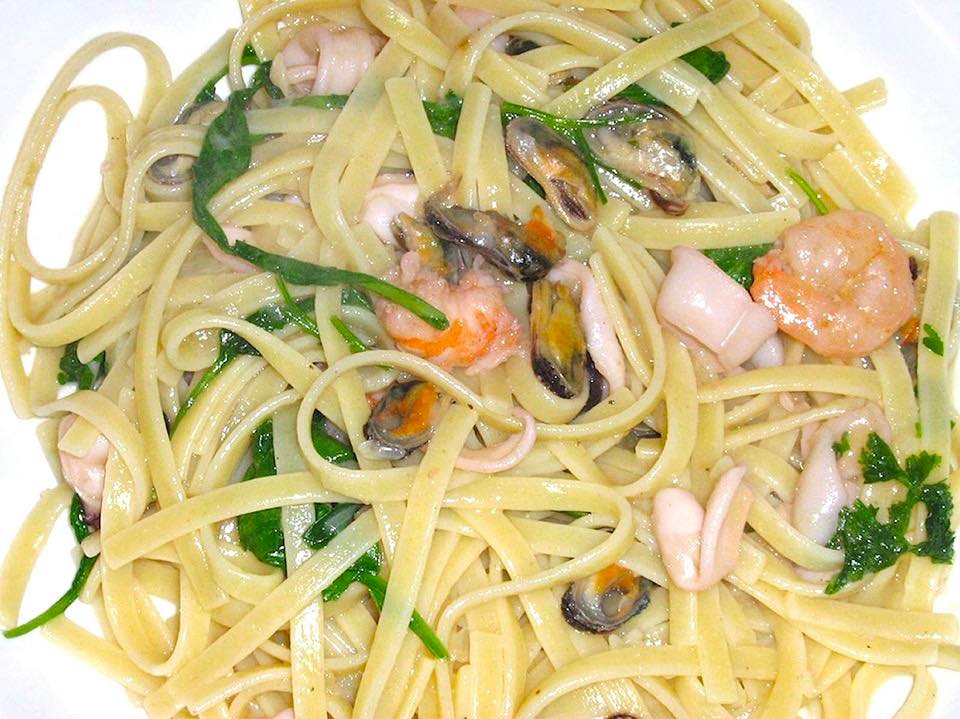
Fettuccine are similar to tagliatelle but slightly narrower and popular throughout Central Italy. They’re famously served in Fettuccine Alfredo, a creamy butter and Parmesan dish that’s become a global favorite.
Originating in Rome, fettuccine is versatile and pairs well with rich, creamy sauces or lighter tomato-based ones.
For a genuine taste, visit Felice a Testaccio in Rome, where classic fettuccine dishes showcase simple, bold flavors. Book here to eat Fettuccine Alfredo at Alfredo alla Scrofa Restaurant in Rome.
16. Linguine – Liguria
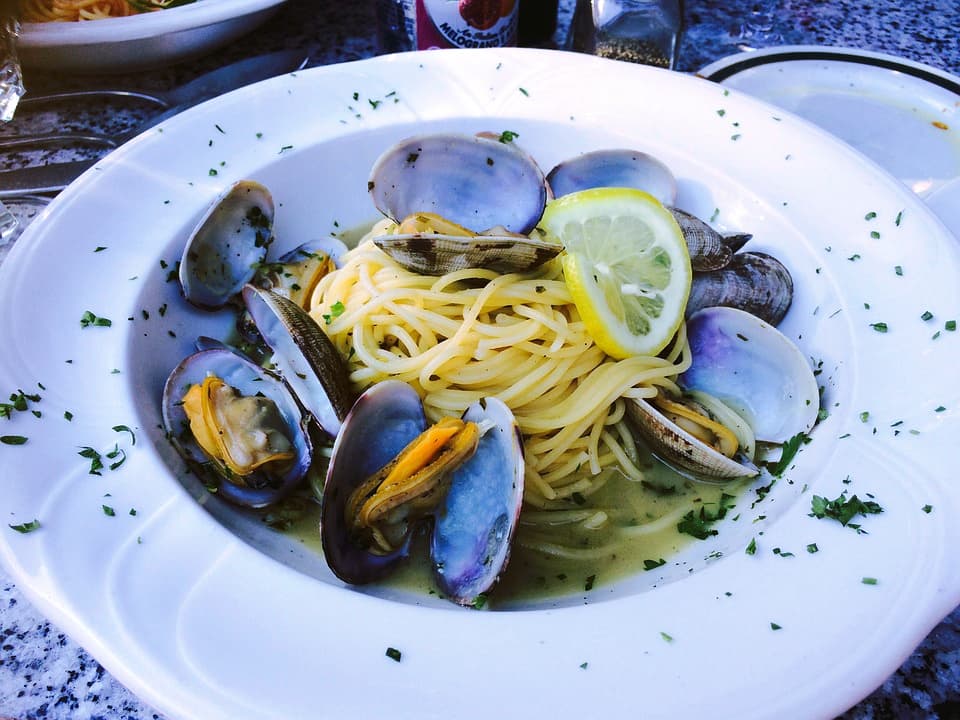
Linguine are narrow, flat noodles from Liguria, perfectly suited for seafood dishes. The classic pairing is with Pesto alla Genovese, combining the pasta with fragrant basil sauce and pine nuts. However,linguine go well with seafood too.
The shape holds sauce well, making it ideal for the region’s fresh, vibrant flavors.
Try linguine with pesto or seafood at Trattoria Ugo in Genoa, where Ligurian specialties shine.
17. Tortellini – Emilia-Romagna (Bologna)
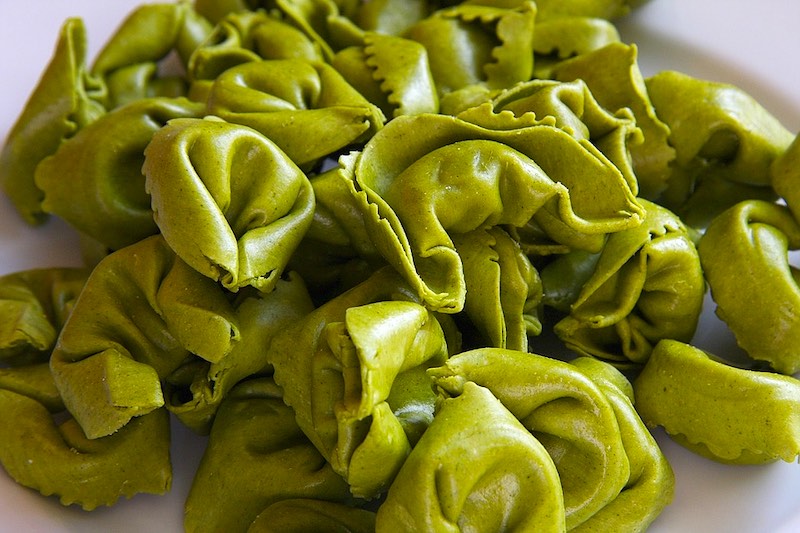
Tortellini are small, ring-shaped stuffed pasta from Emilia-Romagna, especially Bologna and Modena. Traditionally filled with a mix of pork, prosciutto, mortadella, Parmesan, and nutmeg, tortellini are a labor of love and a festive staple.
Legend says tortellini were inspired by the shape of Venus’ navel, symbolizing beauty and craftsmanship. These little parcels are often served in broth (tortellini in brodo) or with cream sauces.
For an authentic experience, try Trattoria di Via Serra or Osteria dell’Orsa in Bologna, where fresh tortellini are handmade daily. Sampling tortellini in its birthplace means tasting centuries of culinary tradition packed into each delicate bite.
18. Carpaccio – Venice
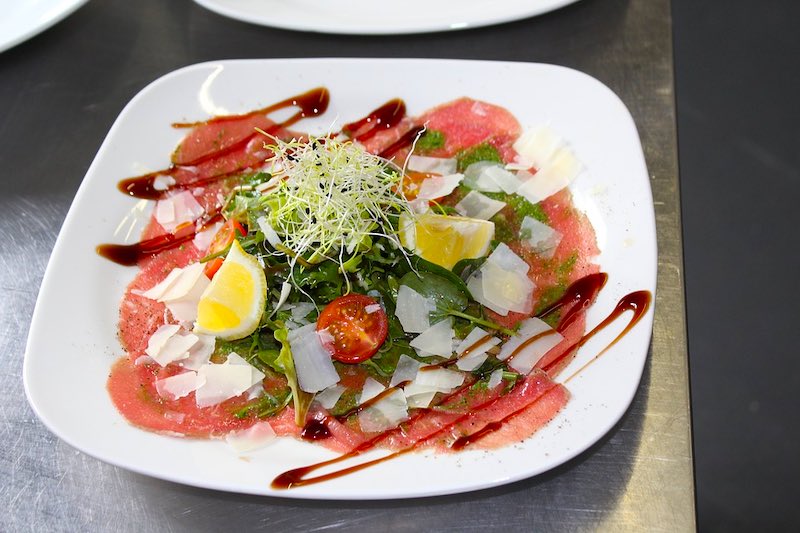
Carpaccio is a light, elegant starter of paper-thin slices of raw beef, typically drizzled with olive oil, lemon juice, and Parmesan. Originating in Venice in the 1950s, it was invented by Giuseppe Cipriani at Harry’s Bar and named after the Venetian painter Vittore Carpaccio for the dish’s vibrant red color.
The beauty of carpaccio lies in its simplicity—the freshness of the beef paired with the zing of citrus and richness of cheese creates a perfect balance.
To enjoy authentic carpaccio, visit Harry’s Bar in Venice, where the dish was born, or any quality Venetian trattoria serving fresh, high-grade beef.
19. Melanzane alla Parmigiana (Eggplant Parmesan) – Southern Italy
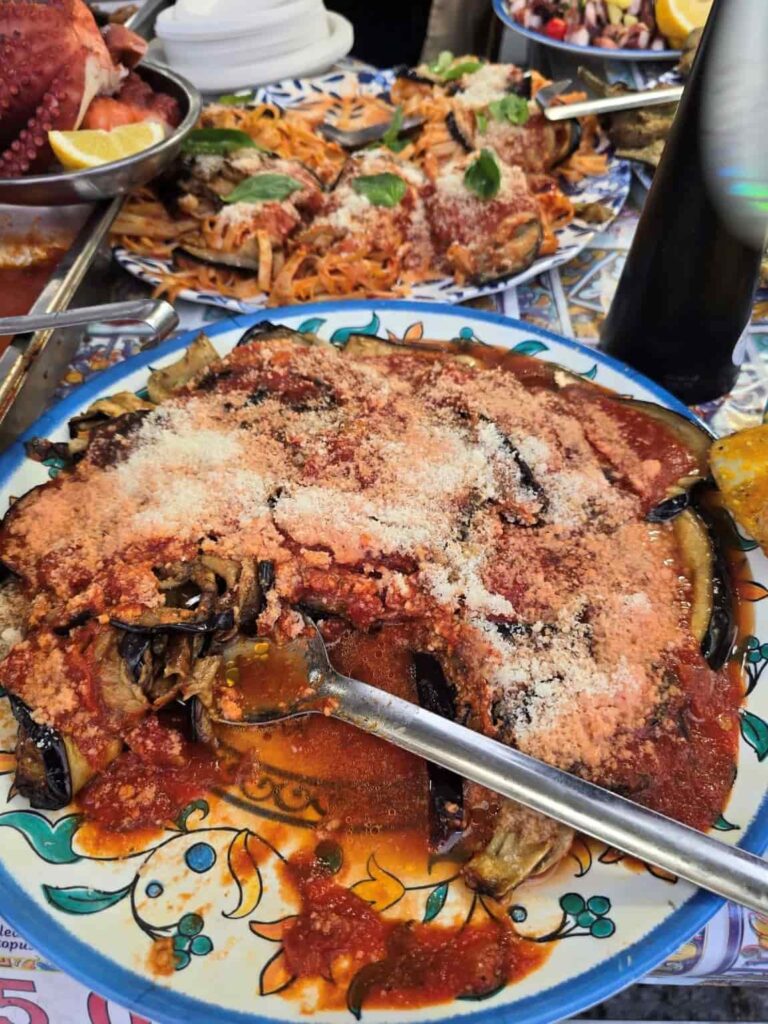
Melanzane alla Parmigiana is a classic baked dish featuring layers of fried eggplant, rich tomato sauce, mozzarella, Parmesan cheese, and fresh basil. Though its exact origins are debated, it’s strongly associated with Naples and Sicily.
The dish is comfort food at its finest—creamy, tangy, and cheesy with the smokiness of fried eggplant. Variants exist across Italy, but in the south, it’s especially rich and hearty.
For the best experience, try it in Naples at Trattoria da Nennella or Sicilian trattorias in Palermo. Eating eggplant Parmesan here is a delicious dive into Southern Italy’s love for robust, homey flavors.
20. Caponata – Sicily
Caponata is a sweet and sour eggplant stew from Sicily, combining eggplants, celery, olives, capers, tomatoes, and vinegar. This dish reflects Sicily’s diverse cultural history, influenced by Arab, Spanish, and Italian cuisines.
The tangy and slightly sweet flavors make caponata a perfect antipasto or side dish, balancing savory and bright tastes.
Try caponata in Palermo or Syracuse at traditional Sicilian trattorias like Osteria Ballarò, where local produce and old recipes bring this dish to life. Caponata is a must-try for anyone wanting to explore Sicily’s culinary soul.
21. Polenta – Northern Italy
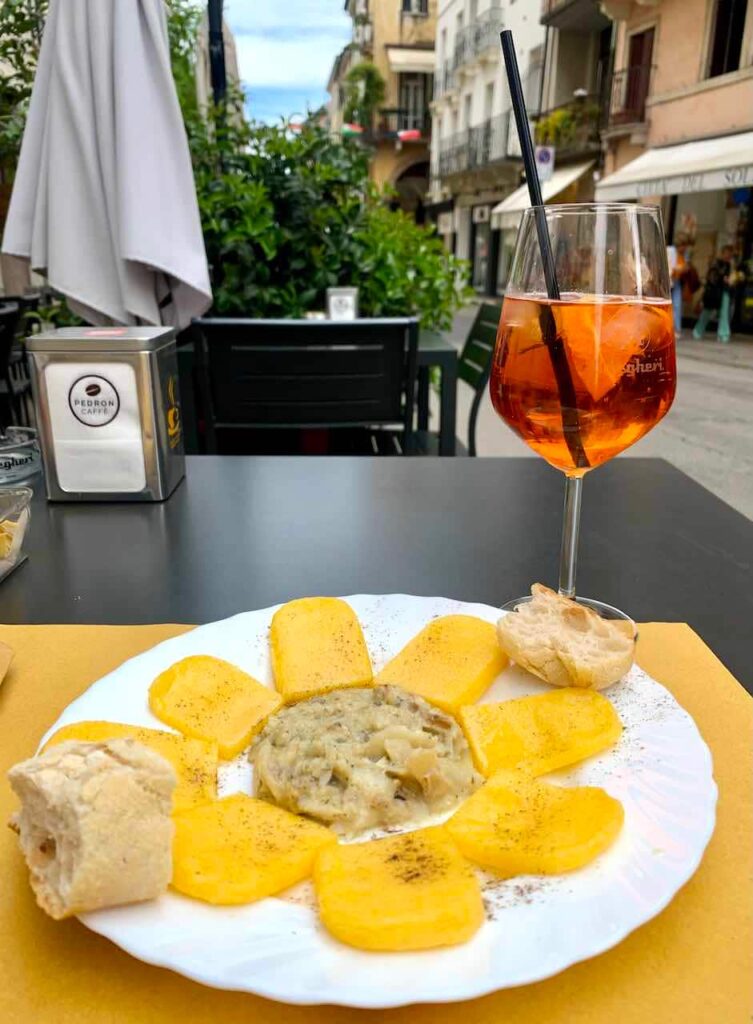
Polenta is a simple yet satisfying dish made from boiled cornmeal, often served creamy or allowed to set and then grilled or fried. It’s a staple in Northern Italy, particularly in Lombardy and Veneto.
Historically, polenta was a peasant food, but today it’s embraced by chefs and home cooks alike. It pairs wonderfully with rich meats, mushrooms, or hearty ragùs.
For authentic polenta, head to Osteria del Binari in Milan or mountain restaurants in the Dolomites. Sampling polenta in Northern Italy connects you to rustic traditions and simple pleasures.
22. Pasta e Fagioli – Across Italy

Pasta e Fagioli (“pasta and beans”) is a beloved hearty soup found all over Italy. This humble dish combines pasta, beans, tomatoes, garlic, and herbs for a comforting, filling meal.
Its origins date back to peasant kitchens where economical ingredients came together to create a nutritious dish. Variations exist regionally, but the essence is the same: simple, warming, and deeply satisfying.
Try pasta e fagioli in Rome at Trattoria Da Enzo, or in Naples for a southern twist. This soup is perfect for anyone wanting authentic Italian home cooking at its best.
23. Pasta e Ceci – Southern Italy (Puglia, Campania)
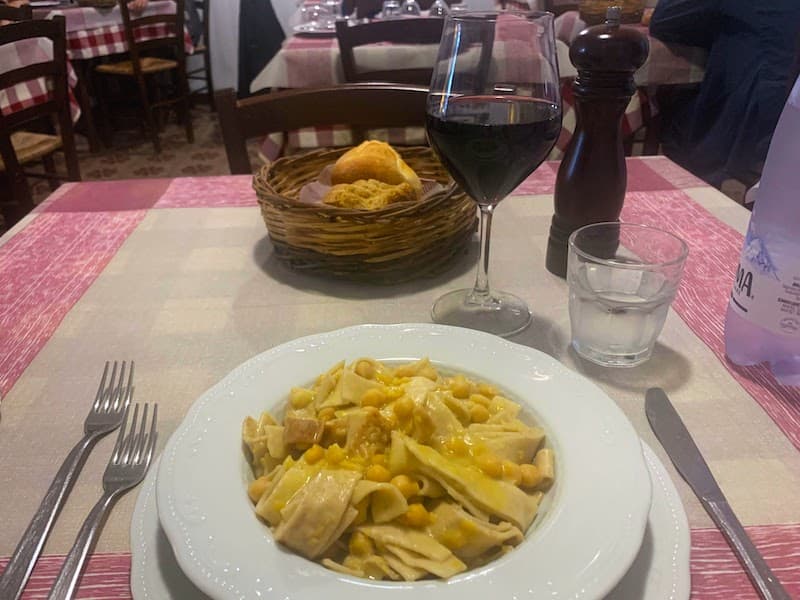
Pasta e Ceci is a traditional Italian soup made with pasta and chickpeas, deeply rooted in southern Italy’s rustic cuisine. This humble dish is a perfect example of how simple, local ingredients can create comfort food full of flavor and history.
Dating back to peasant origins, pasta e ceci is often cooked slowly with garlic, rosemary, and olive oil, sometimes with tomatoes or chili for an added kick. The chickpeas give a creamy texture, while the pasta adds heartiness.
Try pasta e ceci in Puglia or Naples, where it’s a beloved staple. Visit local trattorias like Osteria Il Moro in Naples for a true taste of southern Italy’s best Italian food.
24. Pasta con le Sarde e Finocchietto – Sicily (Palermo)
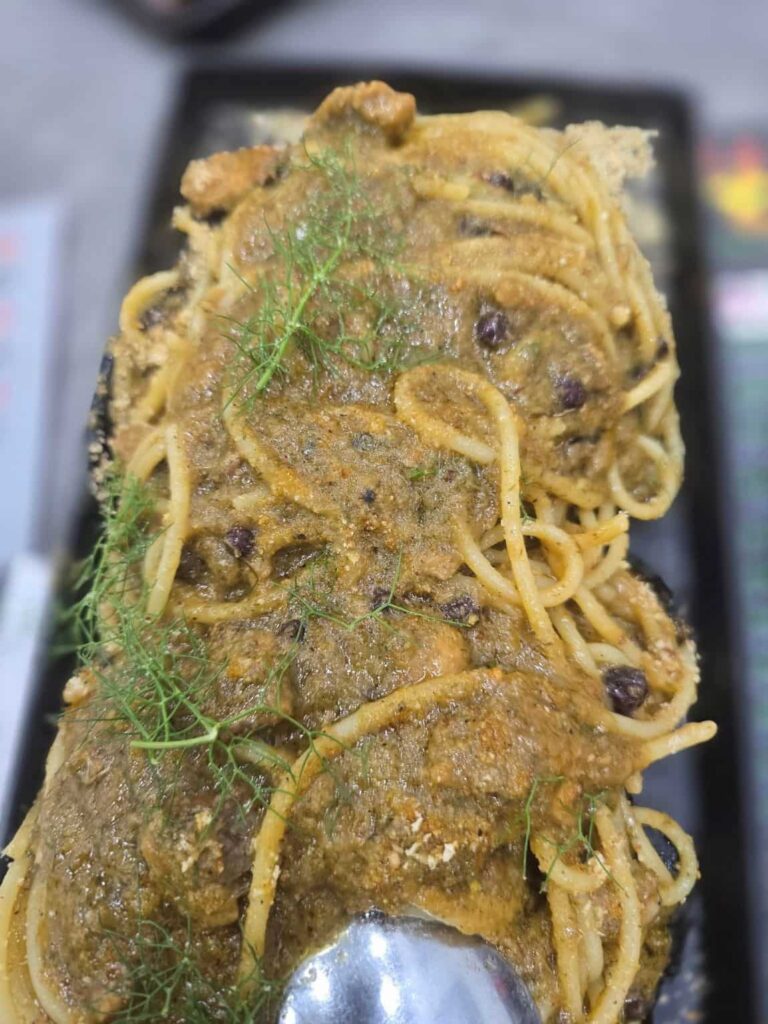
One of my absolute favorites, Pasta con le Sarde e Finocchietto is Sicily’s vibrant pasta dish featuring fresh sardines, wild fennel (finocchietto), pine nuts, raisins, and saffron. This complex mix of flavors reflects Sicily’s multicultural history, with Arab and Norman influences.
The dish balances sweet, salty, and herbal notes with the natural freshness of sardines, making it a unique culinary experience.
For the best, visit Palermo’s bustling markets or trattorias like Osteria Ballarò, where locals cherish this dish. If you want to experience authentic Sicilian cuisine, this pasta is a must-add to your Italy bucket list.
25. Minestrone Soup – Across Italy
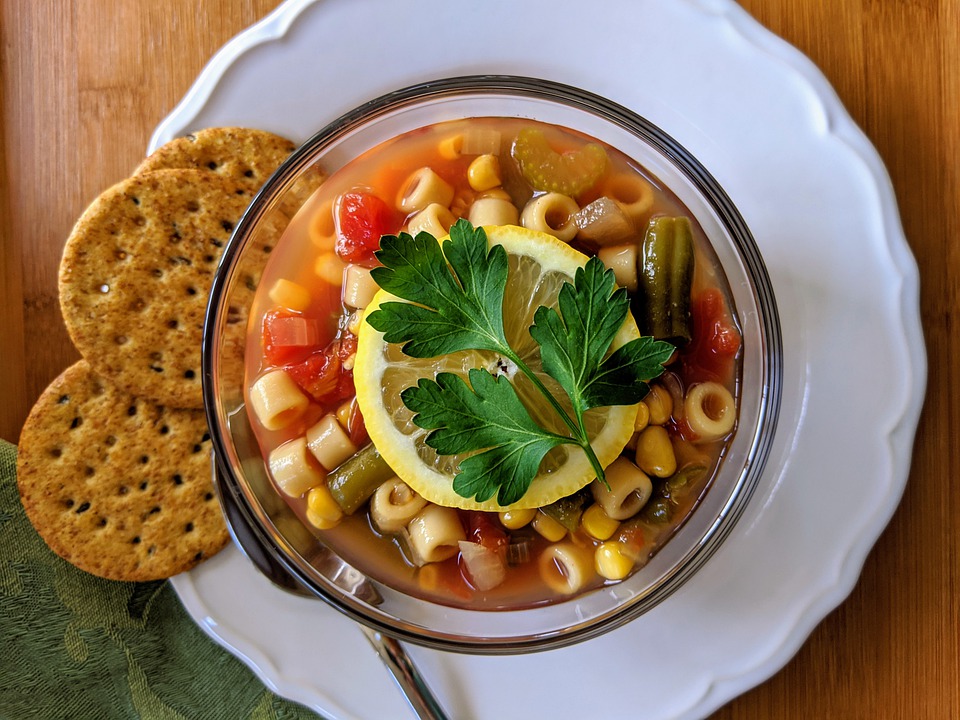
Minestrone is a thick vegetable soup that varies widely by region and season, often including beans, pasta or rice, and fresh local vegetables. It’s a hearty, nutritious dish that embodies Italy’s farm-to-table tradition.
Minestrone’s history is ancient, with roots going back to Roman times. It’s comfort food that changes with the seasons, showcasing the best of Italy’s produce.
Try minestrone in Tuscany or Liguria at family-run trattorias such as Osteria Vignola in Florence, where fresh ingredients and simple cooking shine.
26. Ribollita Soup – Tuscany

Ribollita is a classic Tuscan “reboiled” vegetable soup made with leftover bread, beans, kale, cabbage, and other garden veggies. Originally peasant food, it’s now a symbol of Tuscan culinary tradition.
The slow-cooked, thick soup is rich and flavorful, perfect for chilly days. Ribollita is deeply satisfying and reflects the resourceful spirit of Italian home cooking.
Try it in Florence or Siena at spots like Trattoria Mario , where rustic Tuscan flavors come alive.
27. Polpette – Across Italy
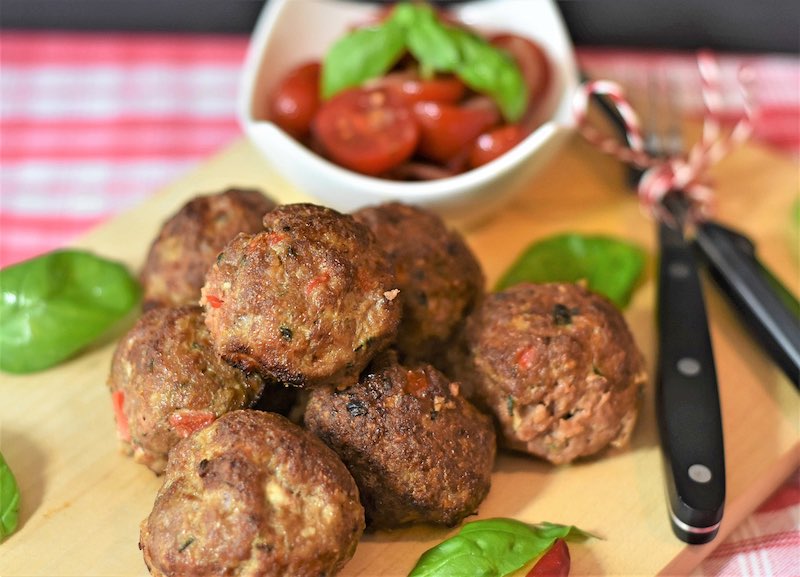
Polpette are Italian meatballs, but unlike the American version, they’re often smaller, lighter, and can be made with beef, pork, veal, or even vegetables and cheese. Polpette can be served as a snack, appetizer, or main dish.
Polpette recipes vary by region—some simmered in tomato sauce, others fried crisp. They date back to ancient Roman times and remain a beloved comfort food.
Try polpette in Rome or Naples, especially at local trattorias like Da Enzo al 29 in Rome, for the best home-style cooking experience.
28. Arancini – Sicily (Palermo, Catania)
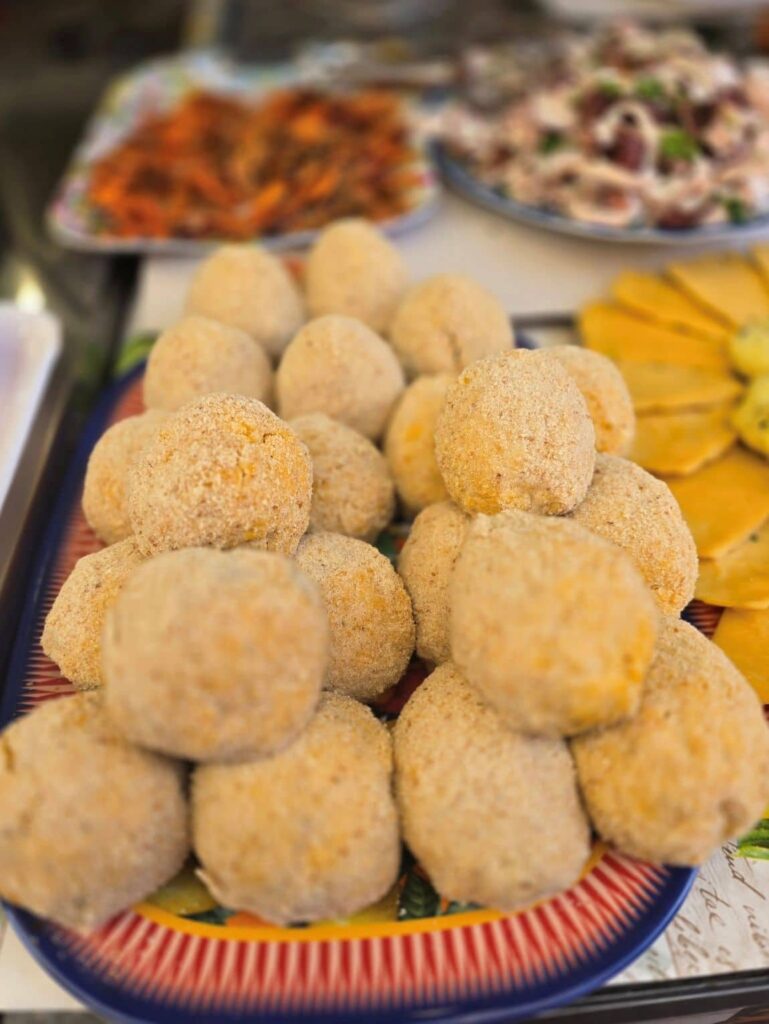
Arancini are crispy, golden-fried rice balls stuffed with ragù, peas, mozzarella, or other fillings. This Sicilian street food has Arab origins and is named for its orange-like shape and color (“arancia” means orange).
Arancini are crunchy on the outside, soft and flavorful inside—a perfect snack or light meal. Different cities have their own twists, such as saffron rice or mushroom fillings.
For authentic arancini, visit Palermo or Catania markets like Ballarò or La Pescheria, where vendors serve fresh, hot arancini daily.
29. Risi e Bisi – Veneto (Venice)

Risi e Bisi (“rice and peas”) is a traditional Venetian springtime dish that sits somewhere between a soup and a risotto. Dating back to the Renaissance, it was a favorite of Venetian nobility and remains a beloved seasonal specialty.
Made with fresh peas, Arborio rice, onion, and Parmesan, it’s cooked slowly to a creamy consistency but still slightly soupy. The fresh peas add sweetness and vibrancy, while the Parmesan enriches the dish with umami.
For an authentic taste, head to Venice during spring and try it at Osteria alle Testiere or small trattorias near the Rialto market. This dish is a perfect example of the simplicity and elegance of the best Italian food.
Related read: The Best Food in Venice Italy
30. Carciofi alla Giudia – Rome (Jewish Ghetto)

Carciofi alla Giudia is a crispy fried artichoke specialty from Rome’s Jewish Ghetto. This dish highlights Roman Jewish culinary traditions and dates back centuries.
The artichokes are trimmed, flattened, and fried until golden and crunchy, delivering a nutty, earthy flavor with a satisfying texture, making the Jewish-style artichokes one of the best dishes in Rome.
For the best experience, visit Nonna Betta or Giggetto al Portico d’Ottavia in Rome’s historic Jewish quarter. Trying Carciofi alla Giudia offers a delicious glimpse into one of Italy’s most unique food cultures.
31. Carciofi alla Romana – Rome
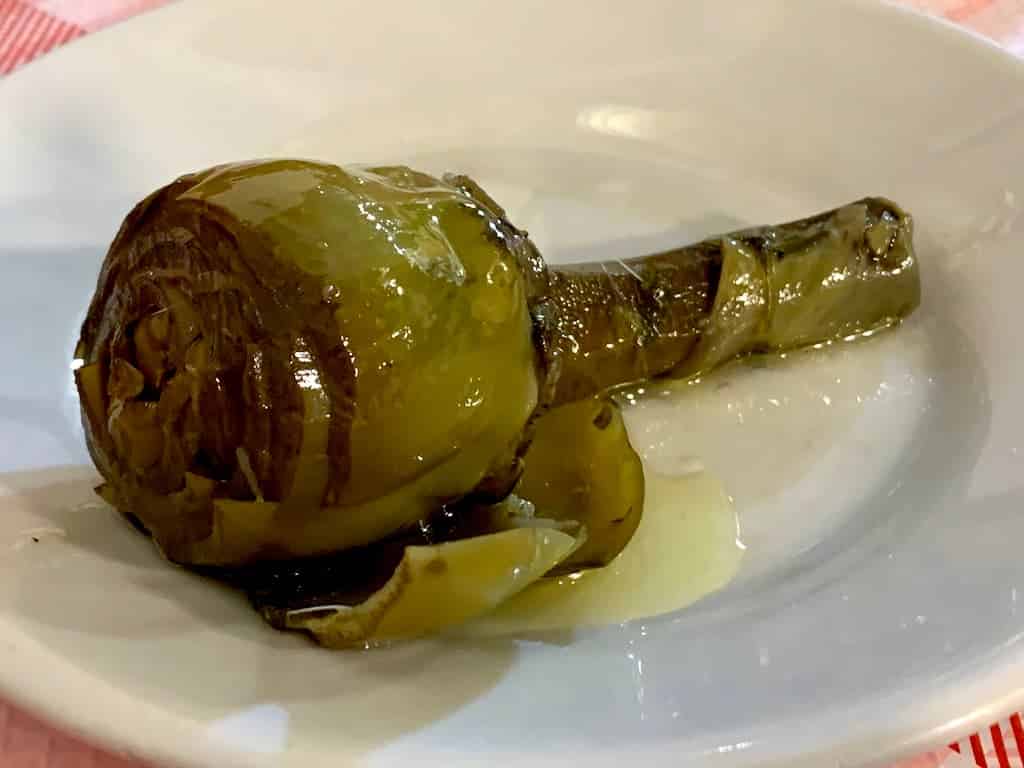
Another Roman artichoke classic is Carciofi alla Romana, where artichokes are stuffed with garlic, mint, and parsley, then braised in olive oil and white wine until tender.
This preparation highlights fresh herbs and the artichoke’s delicate flavor, making it a perfect side dish or antipasto during artichoke season (spring).
For authentic Roman artichokes, try Armando al Pantheon or Trattoria da Enzo in Rome. It’s a must-try vegetable dish that perfectly complements your best Italian food journey.
If you’re planning your visit, don’t miss my 2-day Rome itinerary for a perfectly structured trip, or explore my 3-day Rome itinerary for a more in-depth experience of the city.
32. Prosciutto – Parma and Beyond
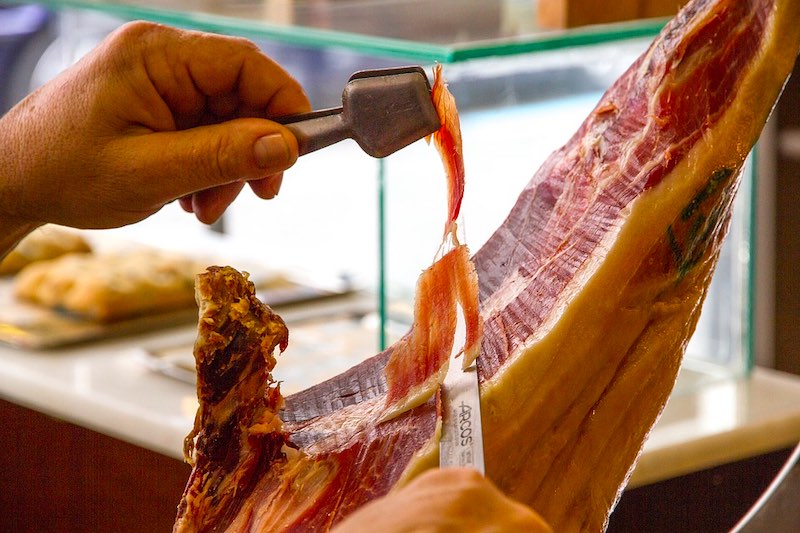
Prosciutto, especially Prosciutto di Parma, is Italy’s world-famous dry-cured ham. The process dates back centuries in Parma and nearby regions, where the unique climate and traditional methods create an irresistibly sweet, savory ham.
Sliced paper-thin, prosciutto melts in your mouth with a delicate balance of salt and sweetness. It’s perfect as an antipasto, with melon, or wrapped around grissini (breadsticks).
For the ultimate prosciutto tasting, visit Parma’s Antica Corte Pallavicina or local markets. Sampling prosciutto where it’s made is a true taste of Italy’s artisanal food heritage.
33. Ricci di Mare (Sea Urchin) – Coastal Italy (Sicily, Sardinia)
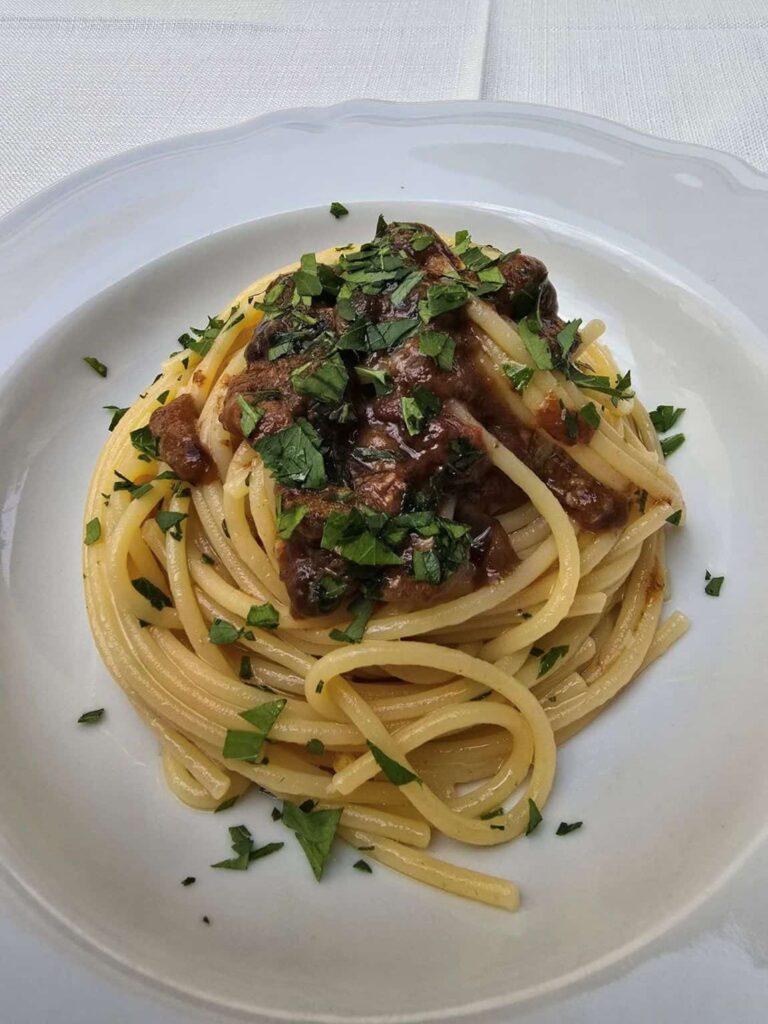
Ricci di Mare or sea urchin is a prized delicacy along Italy’s coasts. Its creamy, briny roe is often served fresh on its own, with pasta, or as a garnish.
Highly seasonal and considered a luxury, ricci di mare offers an intense taste of the ocean with a buttery texture.
For the freshest experience, visit Sicily’s Trapani or Sardinia’s coast, especially during sea urchin season (winter to early spring). Sampling ricci di mare is a highlight for adventurous foodies.
34. Parmigiano Reggiano – Emilia-Romagna (Parma, Reggio Emilia)
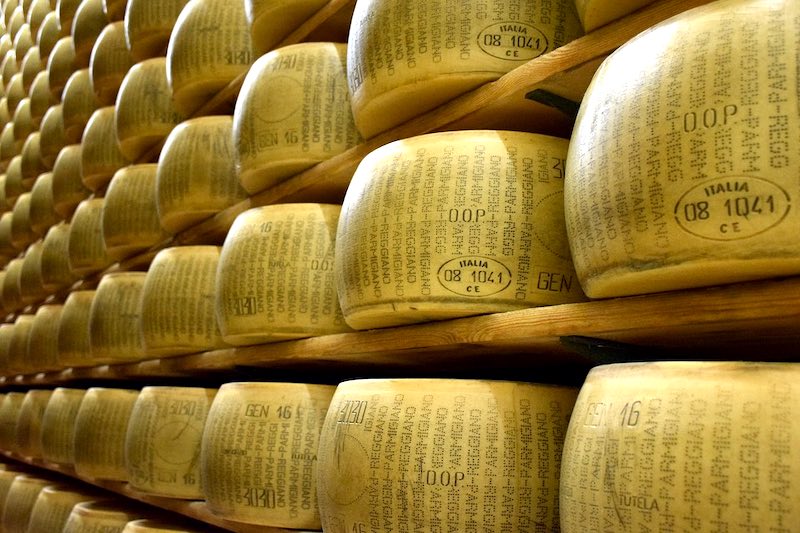
Known as the “King of Cheeses,” Parmigiano Reggiano is Italy’s most famous hard cheese, aged for at least 12 months and made from raw cow’s milk. Its origins date back to the Middle Ages in Parma and Reggio Emilia.
With a complex flavor profile—nutty, salty, and savory—it’s the perfect topping for pasta, risotto, or enjoyed on its own with a drizzle of aged balsamic vinegar.
To truly appreciate Parmigiano, visit a dairy near Parma to see the traditional cheese-making process and taste freshly aged wheels.
35. Grana Padano – Lombardy and Veneto
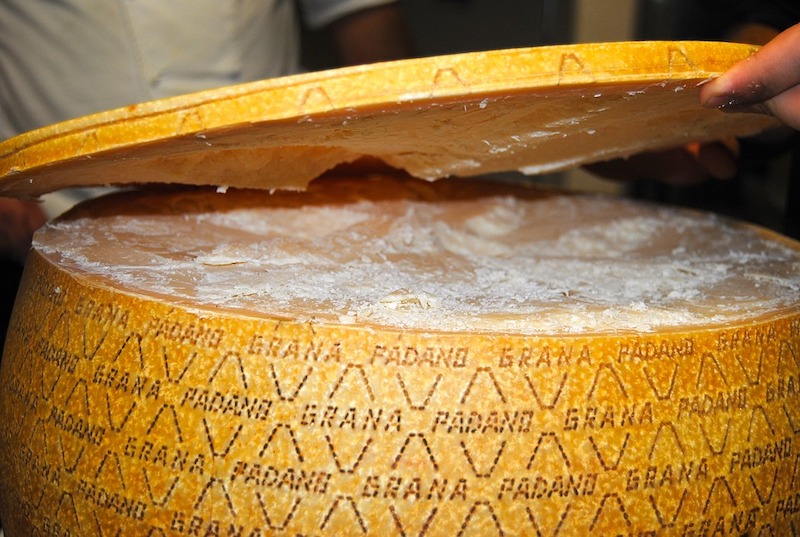
Grana Padano is another beloved hard cheese similar to Parmigiano but produced in a larger region across Northern Italy. It’s slightly milder and younger but still offers a rich, savory flavor with crunchy crystals.
Dating back to the 12th century, this cheese is versatile—used in cooking or as a table cheese.
Try Grana Padano in Lombardy’s local markets or cheese shops, especially in Mantua or Cremona, where you can pair it with local wines and honey for a perfect Italian tasting experience.
36. Mozzarella – Campania (Naples)
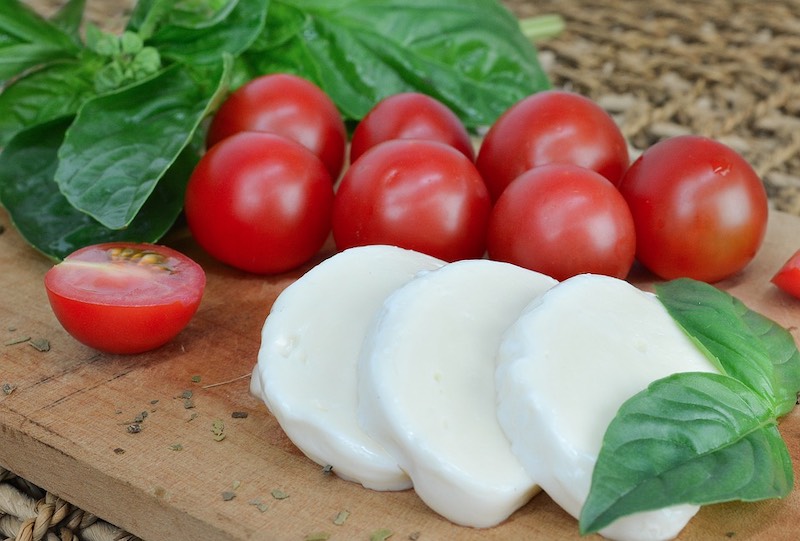
Italy’s beloved Mozzarella, especially Mozzarella di Bufala Campana, is a soft, fresh cheese made from water buffalo milk primarily in Campania. It’s prized for its creamy texture and delicate tang.
Mozzarella is the star of dishes like Caprese salad and pizza Margherita, making it a cornerstone of Italian cooking.
To taste authentic mozzarella, visit dairies near Naples or markets like Mercato di Porta Nolana, where you can enjoy it fresh, often still warm from the curdling process.
37. Gorgonzola – Lombardy and Piedmont
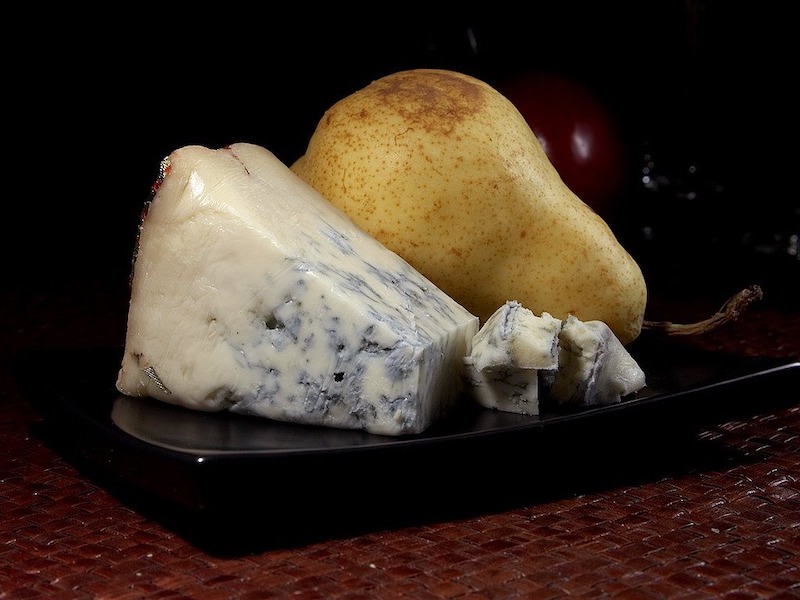
Gorgonzola is Italy’s famous blue cheese, produced mainly in Lombardy and Piedmont. It comes in two main varieties: creamy and mild (dolce) or crumbly and sharp (piccante).
Dating back over a thousand years, Gorgonzola offers a distinct pungent flavor balanced by creamy richness.
Try it spread on rustic bread or melted into risotto at local trattorias in Milan or Novara for an authentic taste of Northern Italy’s best Italian food.
38. Ricotta – Southern and Central Italy

Ricotta is a soft, fresh cheese made from whey, used in everything from desserts like cannoli to savory dishes like ravioli filling.
Its mild, slightly sweet flavor and fluffy texture make it a versatile ingredient in Italian cuisine.
For fresh ricotta, try farmers’ markets in Sicily, Campania, or Tuscany. Sampling ricotta straight from a local dairy is an authentic Italian experience you won’t want to miss.
39. Bruschetta – Across Italy

Bruschetta is a simple antipasto of grilled bread rubbed with garlic and topped with olive oil, tomatoes, basil, or other fresh ingredients.
Originating as a way for olive oil producers to sample their new oil, bruschetta is now a popular starter that highlights Italy’s best produce.
Try it anywhere in Italy, but for a special treat, enjoy it in Tuscany or Rome at traditional trattorias like Osteria dell’Angolo.
40. Grissini – Piedmont (Turin)
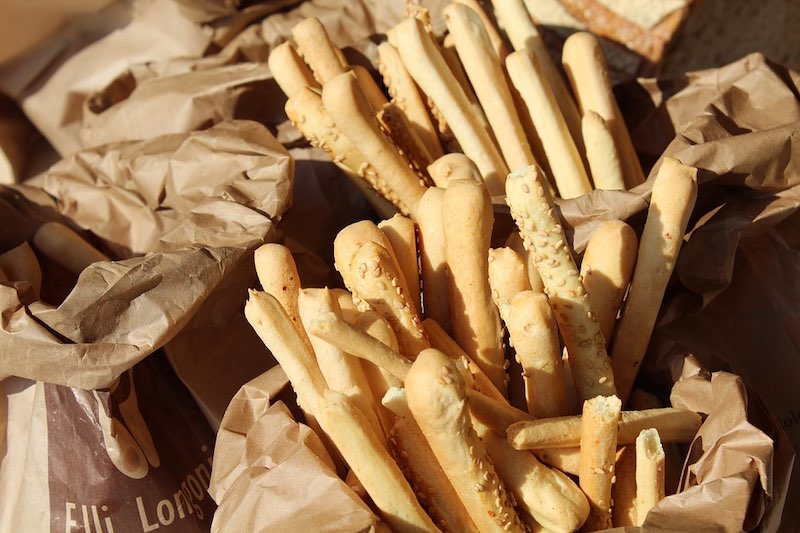
Grissini are thin, crispy breadsticks that originated in Turin, Piedmont, during the 17th century. Created to aid a duke’s digestion, these crunchy sticks have become a staple appetizer served with cured meats and cheeses.
Made from simple dough—flour, water, yeast, and olive oil—grissini offer a satisfying crunch and a subtle flavor that pairs perfectly with antipasti.
To taste authentic grissini, visit Pasticceria Alba or local bakeries in Turin, where these iconic breadsticks have been handmade for centuries.
41. Taralli – Southern Italy (Puglia)
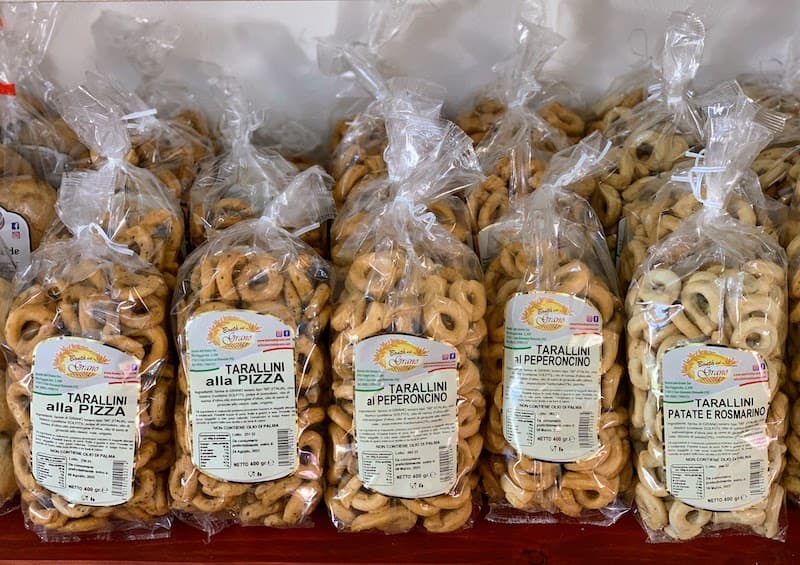
Taralli are crunchy, ring-shaped snacks from Puglia, made from flour, olive oil, white wine, and sometimes flavored with fennel seeds or black pepper. They’re like Italian pretzels, perfect for snacking with wine.
Their origins trace back to ancient times as a portable snack for farmers and travelers.
Try taralli in Puglia’s markets or bakeries, like Tarallificio Pugliesi, and bring home a bag for your Italy bucket list souvenirs.
42. Insalata Caprese – Campania (Amalfi Coast)
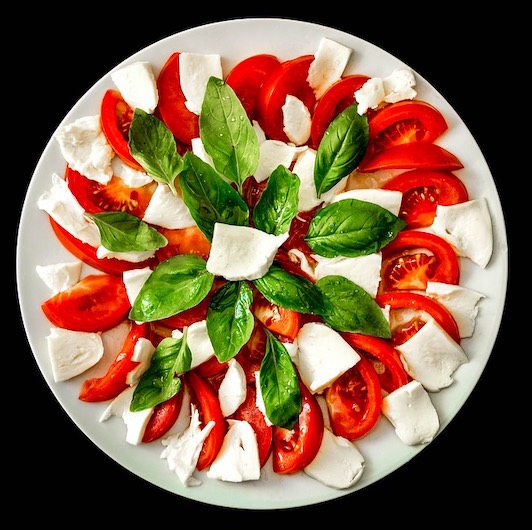
Insalata Caprese is a simple yet iconic salad from the Amalfi Coast featuring fresh mozzarella, ripe tomatoes, basil, olive oil, and a sprinkle of salt.
The colors mirror the Italian flag, and the dish highlights the region’s fresh ingredients and love for balanced flavors.
For the freshest Caprese, visit seaside restaurants like Da Adolfo on the Amalfi Coast or markets in Naples. For how to get the most out of your time on the Amalfi Coast, read my Amalfi Coast itinerary guide.
43. Panzanella Salad – Tuscany
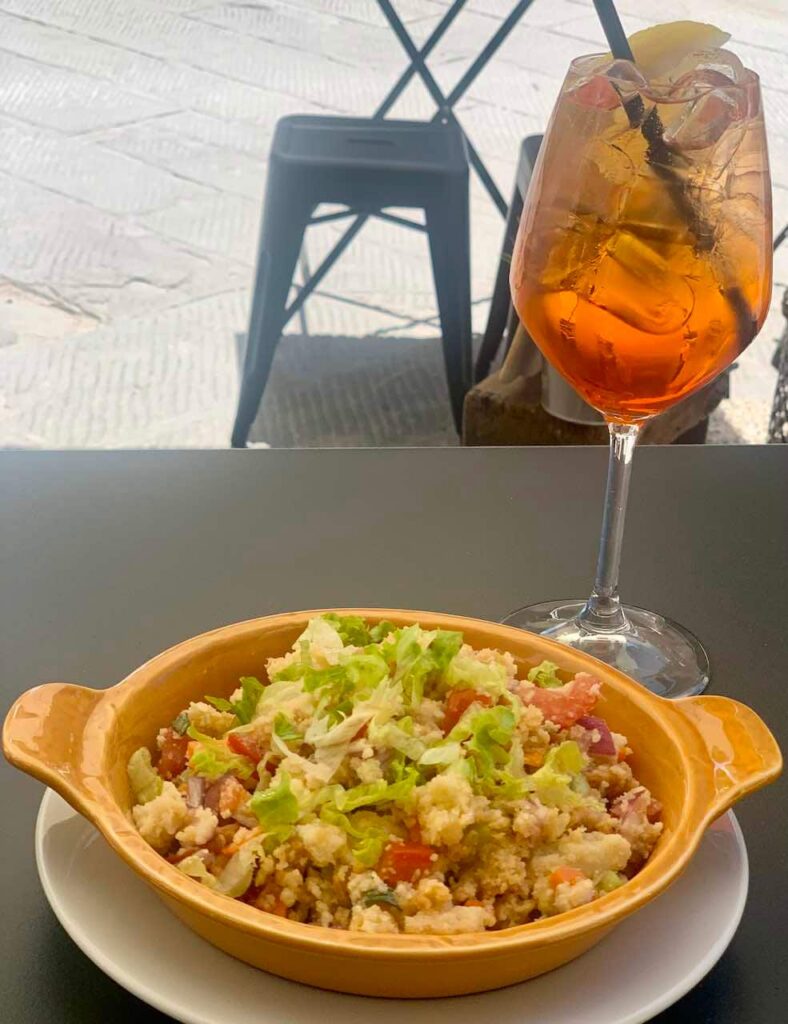
Panzanella is a Tuscan bread salad made with soaked stale bread, ripe tomatoes, cucumbers, red onion, basil, and dressed with olive oil and vinegar.
It originated as a peasant dish to use up leftover bread, now celebrated for its refreshing summer flavors.
Try Panzanella in Florence at Trattoria La Casalinga, especially in the summer months when tomatoes are at their peak.
44. Bottarga – Sardinia and Sicily
Bottarga is salted, cured fish roe—usually from grey mullet or tuna—pressed into blocks and sliced thin. It’s prized in Sardinia and Sicily for its intense, briny flavor and firm texture.
Used as a pasta topping or grated over dishes, bottarga adds a burst of umami and sea-salt complexity.
Try bottarga in Sardinia’s coastal towns or Sicily’s Palermo markets. Eating bottarga is like tasting the essence of the Mediterranean sea, a must for seafood lovers on your best Italian food list.
45. Salami – Various Regions of Italy
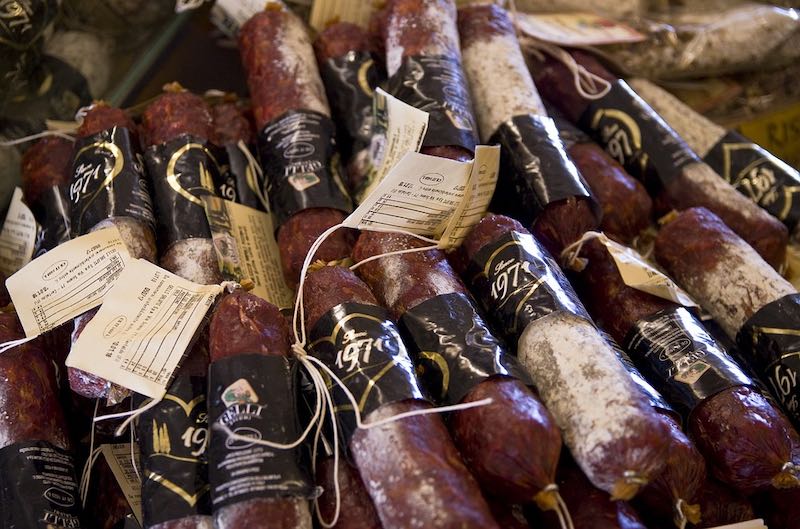
Salami is a broad category of cured sausages, with countless regional varieties like Milano, Napoli, and Calabrese. Made from pork, salt, spices, and sometimes wine, salami is a flavorful staple of Italian antipasti.
Its history dates back centuries as a method of preserving meat.
Try local salami at food markets across Italy—especially in Emilia-Romagna and Calabria—to taste the regional differences.
46. Mortadella – Bologna
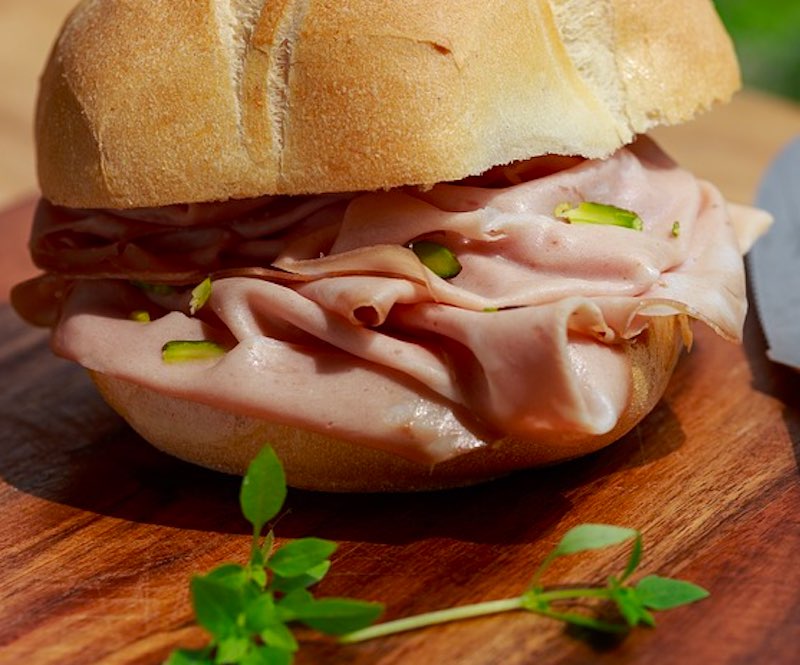
Mortadella is a large, smooth-textured pork sausage from Bologna, studded with cubes of fat and sometimes pistachios. It’s mild, aromatic, and incredibly versatile.
It dates back to the Renaissance and is an essential part of Bolognese food culture.
Try mortadella at Salumeria Simoni in Bologna or sandwich shops like Drogheria della Rosa for a true taste of this delicate cured meat.
47. Aceto Balsamico – Modena and Reggio Emilia
Aceto Balsamico, or balsamic vinegar, is a prized Italian condiment made from concentrated grape must, aged for years in wooden barrels. Originating in Modena and Reggio Emilia, it boasts a complex balance of sweet, tangy, and woody flavors.
Traditional balsamic vinegar is rich and syrupy, perfect drizzled over salads, cheese, or even strawberries.
For an authentic tasting, visit Acetaia Pedroni near Modena, where you can tour aging cellars and sample various ages of this liquid gold.
48. Olio d’Oliva (Olive Oil) – Tuscany, Puglia, Liguria
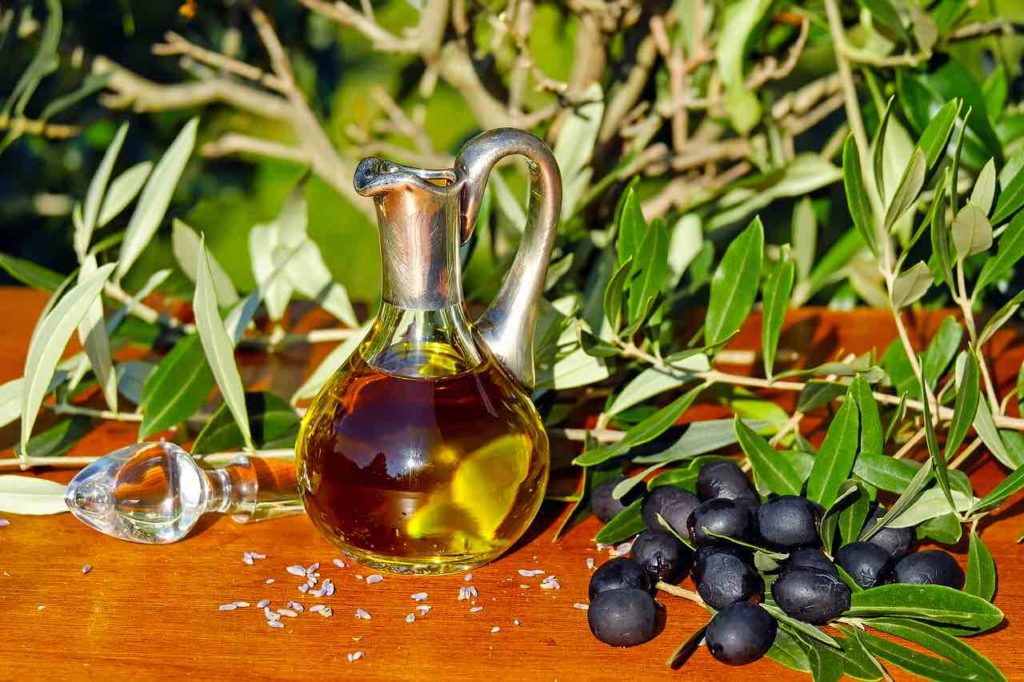
Italy produces some of the world’s finest extra virgin olive oils, with each region offering distinct flavors—from fruity and grassy Tuscan oils to the peppery oils of Liguria and the robust, earthy oils of Puglia.
Olive oil is the backbone of Italian cooking, used generously from salad dressings to drizzling over grilled bread.
Taste fresh-pressed olive oil at farms like Frantoio Franci in Tuscany or Masseria Li Veli in Puglia for an authentic experience.
49. Granita – Sicily

Granita is a semi-frozen dessert from Sicily made with sugar, water, and flavorings like lemon, almond, or coffee. It’s refreshing and has a unique icy texture that’s coarser than sorbet.
Dating back to Arab influences, granita is perfect for hot Sicilian summers.
For authentic granita, visit Caffè Sicilia in Noto or Granita Giusy in Palermo. Pair it with a brioche for a classic Sicilian breakfast.
50. Gelato – Across Italy
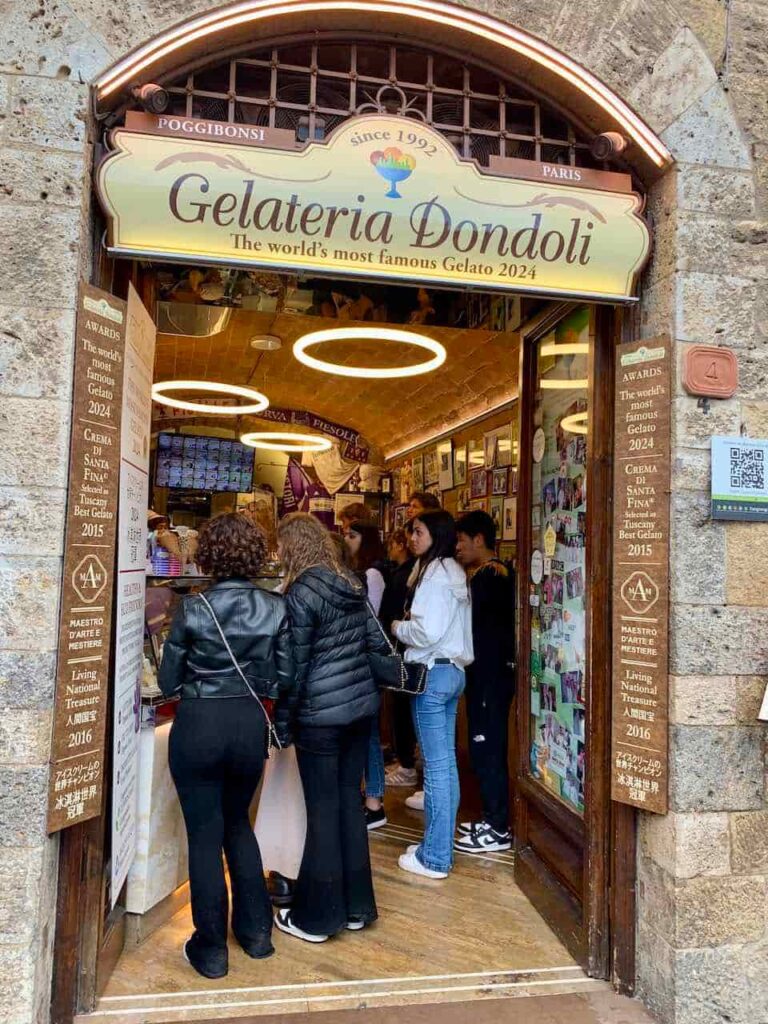
Gelato is Italy’s answer to ice cream, but creamier, denser, and bursting with intense flavors thanks to less air and more natural ingredients.
Its history dates back to the Renaissance with innovations by the Medici family and later perfected by artisans.
Try gelato everywhere, but for the best, visit San Gimignano˙s Galeteria Dondoli, Florence’s Gelateria Badiani, or Rome’s Günther —where artisanal gelato is a way of life.
Final Thoughts on the Best Italian Food in Italy
That’s your complete guide to the best Italian food to try in Italy — dishes I’ve personally savored across my travels. Use this list to craft your Italy bucket list and dive deep into the country’s rich, diverse culinary heritage. Whether it’s street food or fine dining, rustic or refined, Italy offers an unforgettable food adventure you don’t want to miss. Buon viaggio e buon appetito!