15 Best Things to Do in Siena, Italy (2026 Guide: Attractions, Hidden Gems & Local Tips)
Siena is one of the most enchanting hill towns in Tuscany, and after visiting it several times on my Tuscany road trips, it remains one of the places I’m always drawn back to. The best things to do in Siena include its medieval squares, Gothic architecture, and rich traditions—but also slow moments: wandering alleys, tasting local food, and soaking in the atmosphere. This guide covers the top things to do in Siena, Italy, blending must-see landmarks with practical travel tips to help you plan your visit.
If you’re planning a broader Tuscany itinerary, you may also enjoy my guide to the Best Things to Do in Florence for a deeper comparison between Florence and Siena.

✨ Best Things to Do in Siena at a Glance
If you’re short on time, here are the best things to do in Siena Italy that you shouldn’t miss. This quick list covers the city’s top landmarks, cultural highlights, food experiences, and nearby escapes—perfect for planning a well-rounded visit.
🏛️ Must-See Landmarks
- Piazza del Campo
- Torre del Mangia (for panoramic views)
- Palazzo Pubblico
- Fonte Gaia
⛪ Duomo & Cultural Highlights
- Duomo di Siena
- Santa Maria della Scala
- Facciatone
- Siena Duomo Complex
🕍 Churches & Hidden Gems
- Basilica of San Domenico
- Wander Siena’s medieval streets and contrade neighborhoods
🍝 Food & Local Experiences
- Try pici and ribollita
- Taste panforte
- Enjoy a long meal at a local trattoria
- Join a Chianti wine tasting
🚆 Best Day Trips from Siena
- San Gimignano
- Chianti
- Montepulciano
- Val d’Orcia
🗓️ Best Time to Visit Siena
The best time to visit Siena is during spring (April to June) and early autumn (September to October). These months offer mild weather, fewer crowds, and ideal conditions for exploring the city’s highlights, including Piazza del Campo and Duomo di Siena. The atmosphere is lively but still relaxed, making it perfect for sightseeing on foot.
I especially recommend May. From my own Tuscany road trips, May has consistently been the best month to visit Siena and explore the wider region. The landscapes are at their most beautiful, with green rolling hills, comfortable temperatures, and excellent driving conditions—without the peak summer crowds.
Summer (July–August) is hotter and busier, although it includes the famous Palio horse race. Winter (November–February) is quiet and atmospheric but cooler, with shorter opening hours for some attractions.
🌿 Quick breakdown:
Best overall: April–June (especially May)
Best atmosphere: September–October
Best for events: July–August
Best for fewer crowds: November–February
🚆 How to Get to Siena
Siena is well-connected to the rest of Tuscany, but it lacks a major airport or a direct high-speed train station, which adds to its preserved medieval character. Most visitors arrive from Florence or other nearby cities.
The easiest way to reach Siena is by bus from Florence, which takes about 1.5 hours and runs frequently from the Santa Maria Novella station. Buses are often faster and more direct than trains because they arrive closer to the historic center.
You can also take the train, but it requires a change in Empoli, and the final stop is Siena’s train station outside the city walls. From there, you’ll need a short bus or taxi ride uphill into the center. Check out rental car options here and compare prices before you travel.
If you’re doing a Tuscany road trip—especially in months like May, which I highly recommend from my own travels—driving is the most flexible option. It allows you to explore nearby hill towns like San Gimignano and the Chianti region at your own pace.
Nearest airports are Florence, Pisa, and Rome, all of which connect to Siena via train or bus.
Quick tips:
- Bus = easiest and most direct
- Car = best for Tuscany road trips
- Train = cheaper but less convenient
If you’re planning a Tuscany road trip, I recommend combining Siena with my guide to the Best Day Trips from Florence.
🏛️ Must-See Landmarks in Siena
Piazza del Campo

Piazza del Campo is the heart of Siena and one of the most iconic medieval squares in Europe. Made in 1349, its unique shell shape with nine sections divided by travertine lines, and sloping design make it instantly recognizable, and it’s where the famous Palio horse race takes place twice a year. What makes it special isn’t just its beauty—it’s how locals and travelers gather here, sitting on the ground, watching life unfold.
There’s no entrance fee, and it’s open 24/7, making it one of the best free things to do in Siena. Early morning and sunset are the most atmospheric times to visit. Many guided walking tours (including Viator options) start here, making it a natural introduction to the city.
Tips:
- Sit on the ground like locals—benches are not part of the culture here
- Visit at night for a magical, quieter vibe
- Bring water in summer—it gets very hot
Fonte Gaia

Located at the top of Piazza del Campo, Fonte Gaia is a beautiful marble fountain that dates back to the 15th century. The current version is a replica, but it still reflects Siena’s artistic heritage and historic water system.
It’s free to see and accessible anytime, making it an easy addition when exploring the square. While it may seem like a quick stop, it represents Siena’s engineering and artistic achievements.
Tips:
- Best appreciated in soft morning light
- Combine with a guided tour for deeper historical context
- Look closely at the carved panels—they tell stories
Palazzo Pubblico (Civic Museum)
The Palazzo Pubblico is Siena’s historic town hall and home to the Civic Museum. Inside, you’ll find some of the most important frescoes in Italy, including Ambrogio Lorenzetti’s “Allegory of Good and Bad Government.”
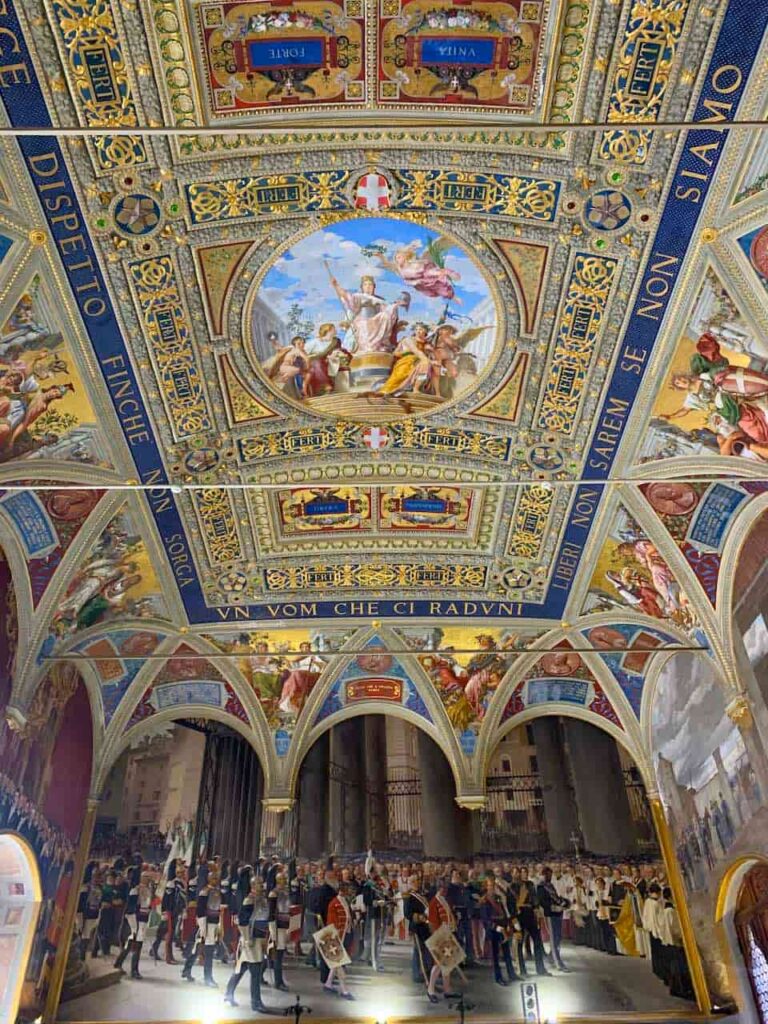
Open daily (typically 10:00–18:00), tickets cost around €10. Many visitors skip this, but it’s one of the best things to see in Siena if you want to understand its political and artistic history.
Tips:
- Allocate at least 1–1.5 hours
- Combine with the Torre del Mangia entry
- Book skip-the-line tours during peak season
Torre del Mangia

Rising above Piazza del Campo, Torre del Mangia offers the best panoramic views in Siena. Climbing its 400 steps is a workout, but the reward is breathtaking—terracotta rooftops, rolling Tuscan hills, and the Duomo in the distance.
Opening hours vary seasonally (generally 10:00–19:00). Tickets cost about €10. It’s one of the top things to do in Siena for photographers and first-time visitors.
Tips:
- Go early to avoid crowds
- Wear comfortable shoes
- Not ideal if you have mobility issues
⛪ Siena Cathedral & Duomo Complex
Piazza del Duomo

This square is where Siena’s religious and artistic power comes together. It’s smaller than Piazza del Campo but just as impressive, surrounded by major attractions like the cathedral and museums.
Free to enter, always open, and a must-stop when exploring what to do in Siena. It’s also a hub for guided tours of the Duomo complex.
Tips:
- Visit early morning before tour groups arrive
- Great starting point for cathedral exploration
Santa Maria della Scala
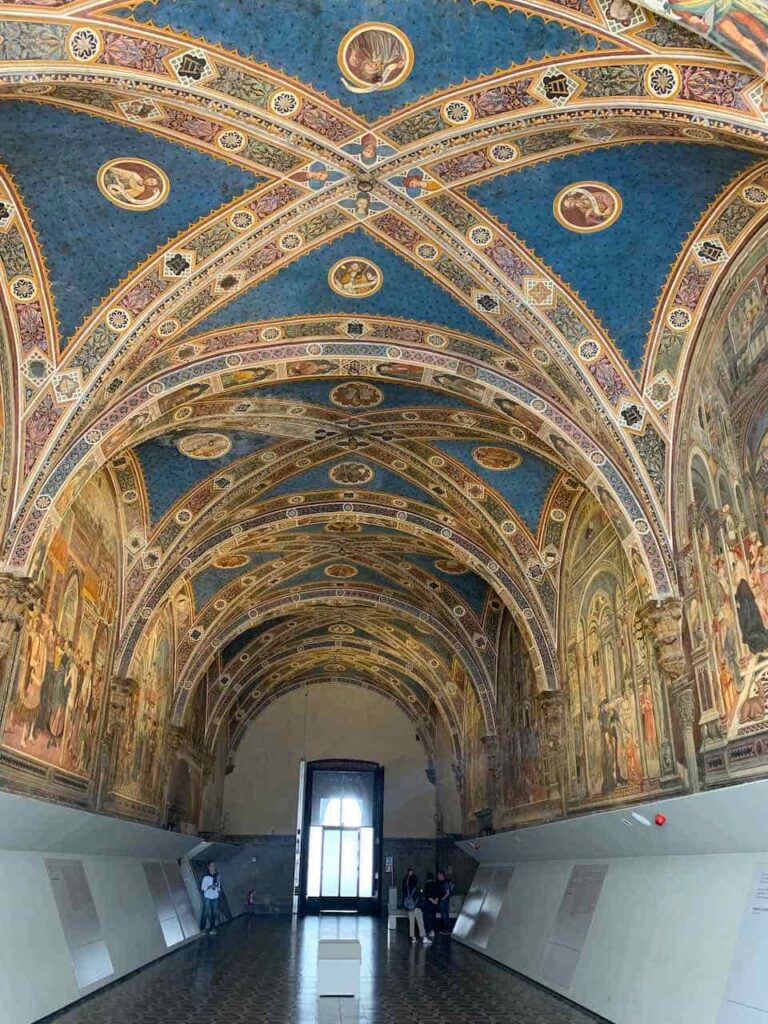
Santa Maria della Scala is one of Europe’s oldest hospital complexes, now transformed into a museum filled with frescoes, chapels, and underground archaeological spaces.
Originally built along the Via Francigena pilgrimage route, it offers a unique insight into Siena’s medieval history of care, religion, and public life.

The museum is spread across multiple levels, including underground sections, frescoed halls, and chapel spaces. Some of the highlights are the Pilgrim’s Hall with its detailed Renaissance fresco cycle, and the original sculptures done by Jacopo della Quercia for Fonte Gaia.
🎟️ Tickets & Practical Info
- Allow at least 1.5 hours for a full visit
- Open daily: ~10:00–19:00
- Ticket price: ~€9–€10
💡 Tips:
- Don’t skip the underground levels
- Visit early for a quieter experience
- Ideal for history and art lovers
Duomo di Siena (Cathedral of Siena)

The Duomo di Siena is one of the most impressive Gothic cathedrals in Italy, known for its striking striped marble exterior and richly decorated interior. Inside, you’ll find masterpieces by Michelangelo, Donatello, and Bernini, along with the famous Piccolomini Library.
Visiting the cathedral is one of the absolute must things to do in Siena, especially for first-time visitors interested in art and architecture.

🎟️ Tickets & Access Options
There are three main ticket types for visiting the Siena Cathedral:
- Duomo only ticket – access to the cathedral interior
- Opa Si Pass – includes the Duomo, Baptistery, Crypt, and Opera del Duomo Museum
- Porta del Cielo Pass – includes rooftop “Heaven’s Gate” access plus the full Duomo complex
Prices typically range from €10–€18 depending on access level. The Opa Si Pass offers the best overall value for most visitors.
💡 Tips:
- Visit when the marble floor is uncovered (seasonal)
- Dress modestly (it is an active religious site)
- Book tickets (Opa Si Pass ) early during peak season
- Arrive early to avoid crowds
Porta del Cielo
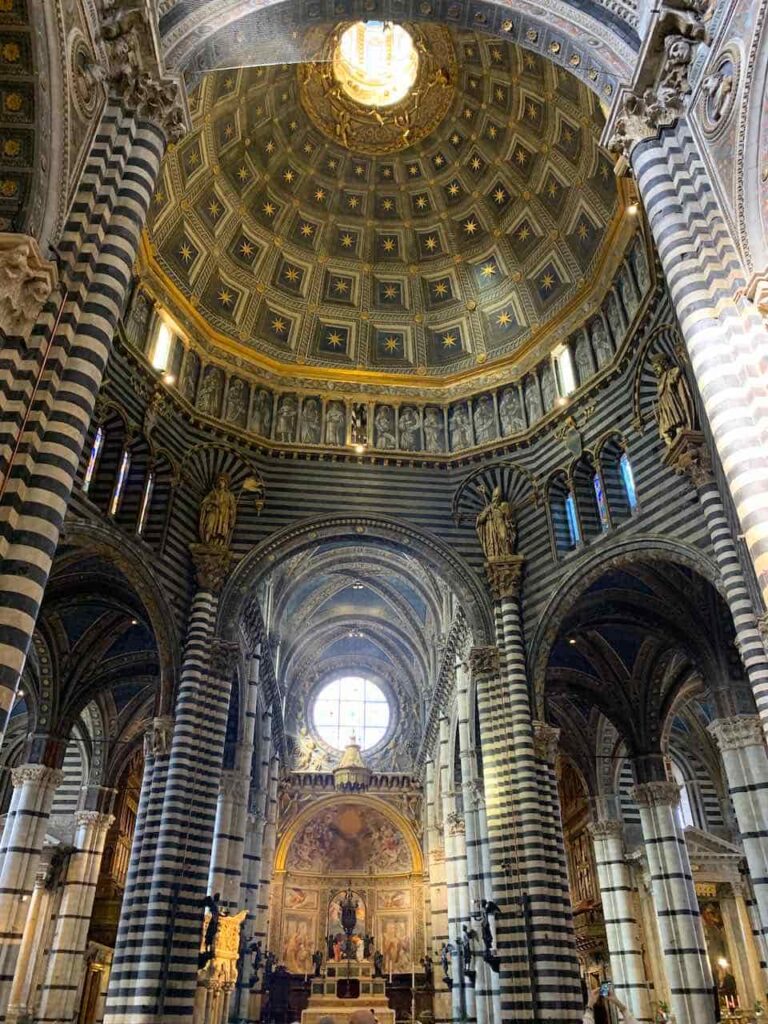
This unique experience allows you to walk along the upper levels of the cathedral, offering rare views of the interior from above.
Tours are limited and must be booked in advance (often via Viator or the official site). Prices are usually included in combined tickets.
Tips:
- Book early—spaces fill quickly
- Not suitable for those afraid of heights
- One of the coolest things to do in Siena
The Duomo Complex
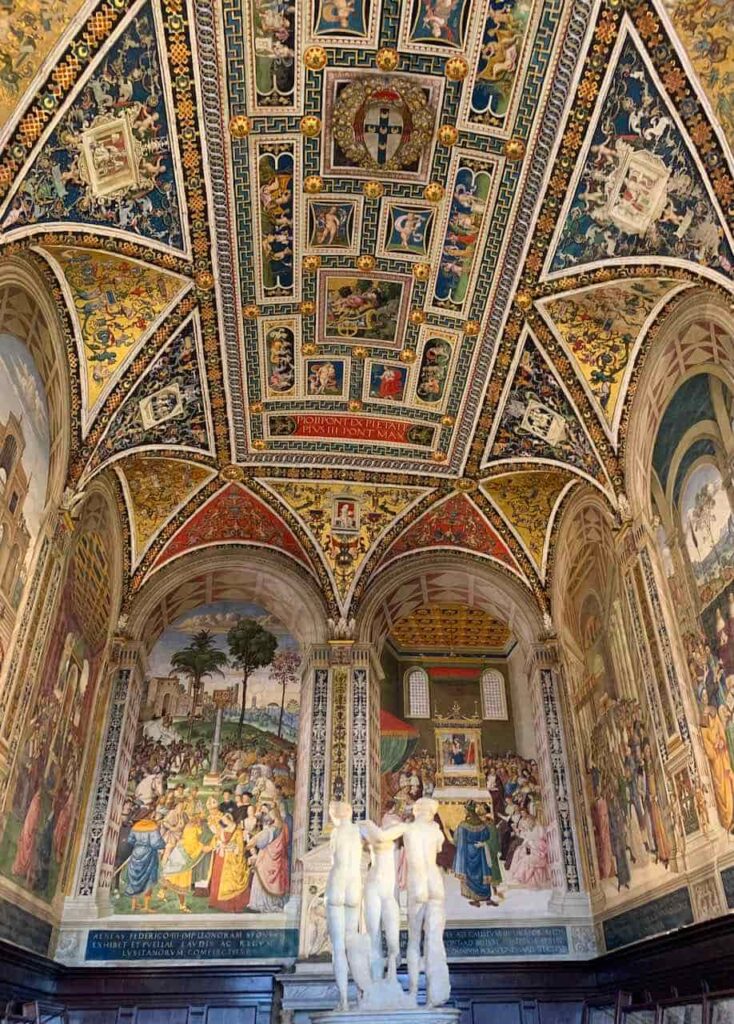
The Duomo Complex is the cultural and artistic heart of Siena, bringing together several of the city’s most important religious and historical sites in one interconnected experience. It includes the Duomo di Siena, the Piccolomini Library, the Baptistery of San Giovanni, the Crypt, the Museo dell’Opera, and the Facciatone viewpoint. Exploring the full complex gives you a much deeper understanding of Siena’s artistic legacy, from Gothic architecture to Renaissance masterpieces.
Access is best with the Opa Si Pass, which bundles entry to all sites and typically costs around €17 depending on the season. Opening hours vary slightly by site but generally run from morning to early evening. From my own repeated visits to Siena, I can confidently say this is one of the best things to do in Siena Italy if you want a complete, immersive experience rather than just seeing the highlights.
Tips:
- Allow at least 2–3 hours to explore properly
- Start early to avoid crowds
- The combined ticket offers the best value
Facciatone
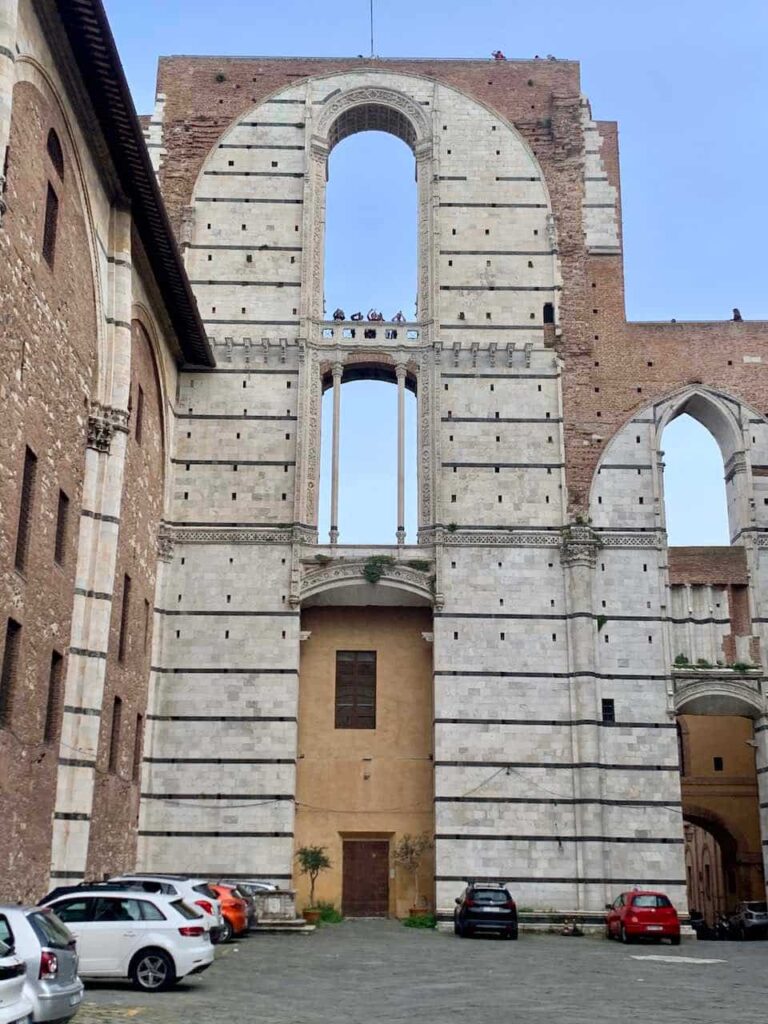
The Facciatone is one of Siena’s most rewarding hidden viewpoints, yet many visitors overlook it in favor of the more famous Torre del Mangia. This unfinished façade was originally intended to be part of a massive expansion of the Duomo di Siena, which was never completed due to the Black Death. Today, it offers a unique opportunity to climb to the top and stand on a panoramic terrace overlooking Siena’s rooftops and the Tuscan countryside.

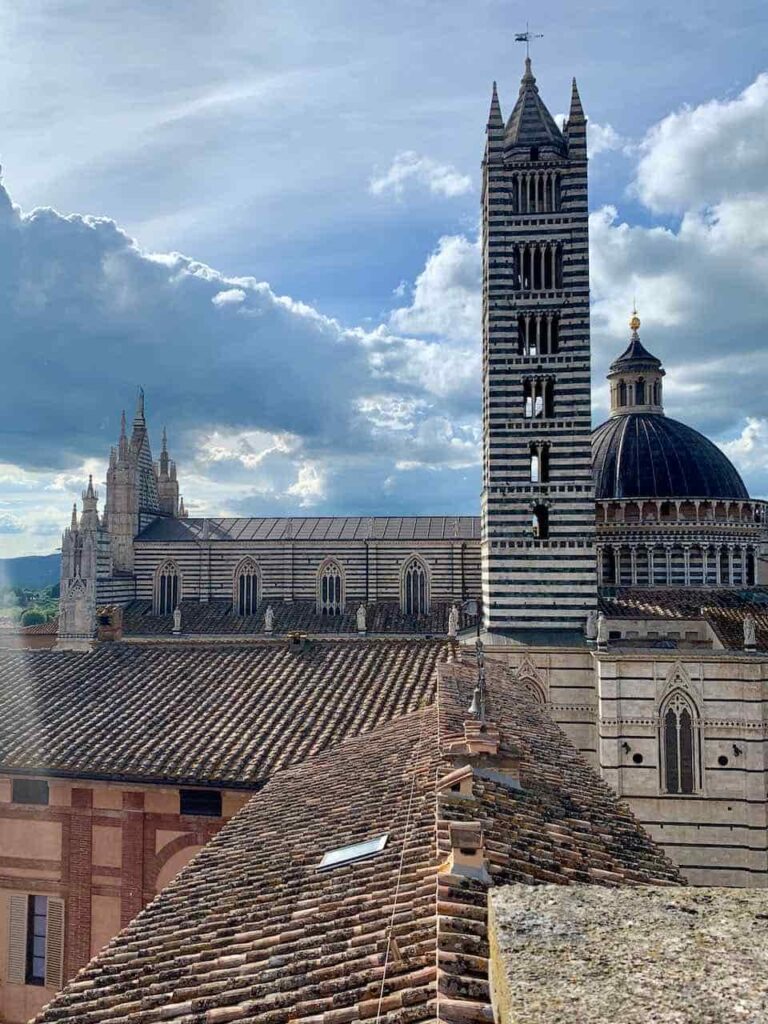
Access is included in the Duomo complex ticket (Opa Si Pass), making it an excellent value. Opening hours generally follow the Museo dell’Opera schedule, typically from morning to early evening.
Tips:
- A quieter alternative to Torre del Mangia
- Narrow staircases—pack light
- Time your visit for sunset for the best views
🕍 Churches & Spiritual Sites
Basilica of San Domenico (Basilica Cateriniana)

The Basilica of San Domenico, also known as the Basilica Cateriniana, is one of Siena’s most important spiritual landmarks, dedicated to Saint Catherine of Siena, the city’s patron saint. Unlike the richly decorated Duomo di Siena, this church has a more austere Gothic style, which gives it a quiet, contemplative atmosphere. Inside, you’ll find significant relics of Saint Catherine, including her preserved head, making it an important pilgrimage site.
Entry is free, and the basilica is generally open throughout the day, with a midday closure in some seasons. Visiting the basilica is one of the most meaningful things to see in Siena if you want to go beyond the main tourist attractions and experience the city’s deeper identity.
Tips:
- Visit in the morning for a quieter experience
- Combine with nearby viewpoints for great city views
- Dress modestly, as it’s an active place of worship
🍝 Food & Local Life in Siena
Enjoy the Cuisine of Siena

Siena’s food scene is deeply rooted in Tuscan tradition, and tasting it is easily one of the best things to do in Siena. The cuisine is simple, seasonal, and built on local ingredients, but the flavors are incredibly rich and authentic. Must-try dishes include pici (thick hand-rolled pasta often served with garlic or wild boar ragù), ribollita, and hearty wild boar stews. For dessert, don’t miss panforte, a dense, spiced cake with medieval origins. For a deeper dive into regional dishes, I’m also working on a full guide to Traditional Tuscan Food, where I’ll break down the most iconic dishes across the region.
Meals here are slow and social—lunch or dinner often lasts well over an hour. Expect around €15–€30 per person in a traditional trattoria. From my own visits during Tuscany road trips, some of the most memorable moments in Siena have been at the table, not just sightseeing.
Recommended restaurants:
- Osteria La Chiacchera – small, local favorite known for authentic Tuscan dishes and great value
- Trattoria Papei – classic spot near Piazza del Campo, famous for traditional recipes and lively atmosphere
Tips:
- Try a Chianti or Brunello wine pairing
- Avoid the main square restaurants for better prices
- Ask locals for hidden trattorias—they rarely disappoint
🚆 Easy Trips from Siena
Day Trips from Siena

Siena is perfectly positioned for exploring some of Tuscany’s most beautiful landscapes and hill towns, making day trips one of the best things to do in Siena if you have extra time. Within an hour’s drive, you can visit San Gimignano, famous for its medieval towers, or explore the rolling vineyards of the Chianti.
While both Siena and San Gimignano are often included in the same Tuscany itinerary, they offer very different experiences. Siena feels larger, more layered, and deeply historical, while San Gimignano is smaller, more compact, and known for its dramatic skyline of medieval towers.
For wine lovers, Montepulciano offers renowned Vino Nobile tastings, while the Val d’Orcia delivers postcard-perfect scenery.
From my own Tuscany road trips, I’ve found Siena to be an ideal base—you can experience iconic countryside views without constantly changing accommodation. If you want inspiration for planning your route, check my guide to Best Day Trips from Florence or this Florence to Siena Day Trip itinerary for a structured travel plan.
You can rent a car for flexibility or join guided tours (like the Siena, San Gimignano, Pisa & Lunch at Winery Tour from Florence and the Siena, San Gimignano & Monteriggioni with Tasting Tour from Florence) that combine multiple stops with wine tastings.
Tips:
- Start early to maximize your day
- Combine 2–3 nearby towns for efficiency
- Book a guided tour if you prefer not to drive
❓ Frequently Asked Questions
How many days do you need in Siena?
1–2 days is enough to see the main attractions in Siena, but 3 days allows for a slower experience and nearby Tuscany day trips.
What is Siena best known for?
Siena is famous for its medieval architecture, Piazza del Campo, and the Palio horse race.
Is Siena walkable?
Yes, Siena is very walkable. Most attractions are within 15–20 minutes, but expect hills.
What should you not miss in Siena?
Don’t miss the Duomo, Piazza del Campo, Torre del Mangia, and a traditional Tuscan meal.
🏨 Where to Stay in Siena
Choosing where to stay in Siena makes a big difference, because the historic center is compact and incredibly atmospheric. Based on my own Tuscany road trips, staying close to the old town is the best way to enjoy the city early in the morning and after day-trippers leave.
The historic center (inside the walls) is the top choice for most travelers. You’ll be within walking distance of highlights like Piazza del Campo and Duomo di Siena, with boutique hotels and historic palazzos all around.
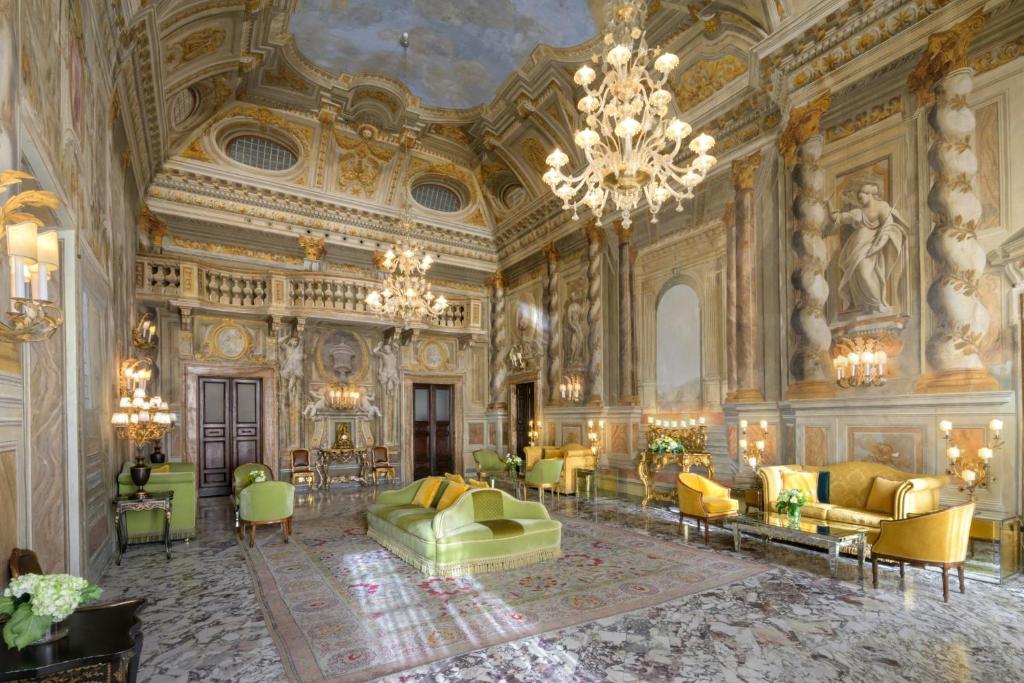
- For luxury stays, the standout is the Grand Hotel Continental Siena, a 5-star palace-style hotel right in the center. It comes with a private parking (this is important if you are road tripping in Tuscany!).
- For a solid mid-range option, Hotel Athena is popular for its terrace views, private parking, and location near the historic walls.
- For budget travelers, Hotel Italia offers great value just outside the center with easy access to attractions and private parking.
Quick tips:
- Stay inside the walls for atmosphere
- Choose outside the center if you need parking
- Book early for spring and autumn trips
Final Thoughts
Siena is more than a collection of famous landmarks—it’s a city that reveals itself slowly. After visiting several times on my Tuscany road trips, I’ve found that the best things to do in Siena go beyond the main attractions. Yes, places like Piazza del Campo and the Duomo di Siena are unforgettable, but what stays with you are the quieter moments: wandering narrow medieval streets, discovering hidden corners, and enjoying long, unhurried meals.
If you’re comparing Tuscan cities, you may also enjoy my guide to Best Things to Do in Florence for a deeper contrast between Florence and Siena.
If you’re planning a trip to Tuscany, don’t treat Siena as just a quick stop on your itinerary. Give it time. Slow down, explore beyond the obvious, and let the city unfold at its own pace. It’s one of those places that feels different every time you return—and that’s exactly why it’s worth coming back to.