Florence Food Guide: 18 Must-Try Foods in Florence, Italy
If you’re planning a trip and wondering what to eat, this guide to Florence food covers the most authentic dishes you shouldn’t miss. From hearty Tuscan classics to iconic street food and desserts, this is your complete introduction to the best food in Florence, Italy—based on real experiences, local traditions, and practical tips.
All dishes in this guide are based on firsthand experience during my multiple visits to Florence. I tested local markets, traditional trattorias, and street food vendors to ensure recommendations reflect authentic Florentine cuisine—not tourist shortcuts.

📌 Table of Contents
3. Traditional Florence Food You Must Try
4. Florence Street Food
5. Desserts & Sweet Specialties in Florence
6. Traditional Drinks in Florence
8. Where to Eat in Florence (Best Places & Traditional Restaurants)
10. Recommended Food Tours & Cooking Classes
What Is Florence Food Really Like?
The first time I experienced real Florence food, it wasn’t in a famous restaurant.
It was at a small counter inside Sant’Ambrogio Market, surrounded by locals on their lunch break. I ordered ribollita—and after the first spoonful, I understood something important:
Food in Florence isn’t about luxury.
It’s about tradition, simplicity, and flavor built over centuries.
After spending weeks exploring the city, I realized that eating well is just as important as sightseeing. If you’re planning your trip, pairing this guide with a detailed itinerary, such as the 1 Day in Florence Itinerary or the 2 Days in Florence Itinerary, will help you structure your food stops perfectly.
🍽️ Quick Answer: What Food Is Florence Famous For?
If you only have time for a few dishes, these define Florence food:
- Bistecca alla Fiorentina
- Lampredotto
- Ribollita
- Pappardelle al cinghiale
- Gelato
For a broader overview of dishes across the country, see Best Italian Food Guide, where Florence specialties fit into the bigger Italian food culture.
🥩 Traditional Florence Food You Must Try
If you’re wondering what to eat in Florence, this curated list covers the best Florence food experiences—from iconic Tuscan dishes to authentic Florence street food and desserts. These are not just meals; they’re part of the city’s cultural identity.
1. Bistecca alla Fiorentina (Florentine Steak)

Bistecca alla Fiorentina is not just something you try in Florence—it’s a meal you plan around. After trying this dish in multiple trattorias across the city, the biggest difference always came down to two things: meat quality and grill technique.
The steak comes from Chianina cattle and is cut extremely thick, often over 1 kg. What many visitors don’t realize is that not every restaurant gets this right. In more tourist-heavy areas, the steak can be undercooked or unevenly cooked, which completely changes the experience.
The best versions I had were perfectly charred on the outside, with a deep smoky crust, while remaining intensely juicy and rare inside. That contrast is what defines a proper bistecca—not just size.
Another thing to know: it’s always priced by weight, and good restaurants will show you the cut before grilling. If they don’t, that’s usually a red flag.
This is one of the few dishes in Florence where choosing the right restaurant makes a huge difference.
Where to try: Trattoria 13 Gobbi, Santo Spirito Osteria
👉 Tip: Always share—1 steak comfortably feeds 2–3 people.
2. Ribollita (Tuscan Bread & Vegetable Soup)

Ribollita is one of the most authentic dishes in Florence, but it’s also one of the easiest to get wrong—especially in places catering heavily to tourists.
After trying it in both markets and traditional trattorias, I noticed that the biggest difference comes down to texture and depth of flavor. A proper ribollita should be thick—almost like a stew—not watery. If it feels like a light vegetable soup, it’s likely been simplified.
The best version I had was at Sant’Ambrogio Market, where locals actually eat. It was dense, rich, and clearly reheated, which is exactly how it’s supposed to be. That “reboiled” process intensifies the flavor and gives the dish its signature depth.
Many restaurants skip this step for convenience, but that’s where ribollita loses its identity.
This is not a refined dish—it’s rustic, filling, and meant to be heavy. Locals often eat it as a full meal, especially in colder months.
If you want to experience real Tuscan home cooking, this is one of the most reliable indicators of authenticity.
Where to try: Da Rocco (Sant’Ambrogio Market)
👉 Tip: Order it at lunch, where quality is usually more consistent.
3. Pappa al Pomodoro (Tomato & Bread Soup)

Pappa al pomodoro is a classic example of how simple ingredients define Florence food.
Made with tomatoes, bread, garlic, olive oil, and basil, it’s thick and smooth with a naturally sweet flavor.
When I tried it, I was surprised by how rich it felt despite being made from basic ingredients. It’s lighter than ribollita but still very satisfying.
Locals eat it year-round—warm in winter, room temperature in summer.
Where to try: Da Rocco (Sant’Ambrogio Market)
👉 Tip: Great option if you want something traditional but lighter than meat dishes.
4. Panzanella (Tuscan Bread Salad)
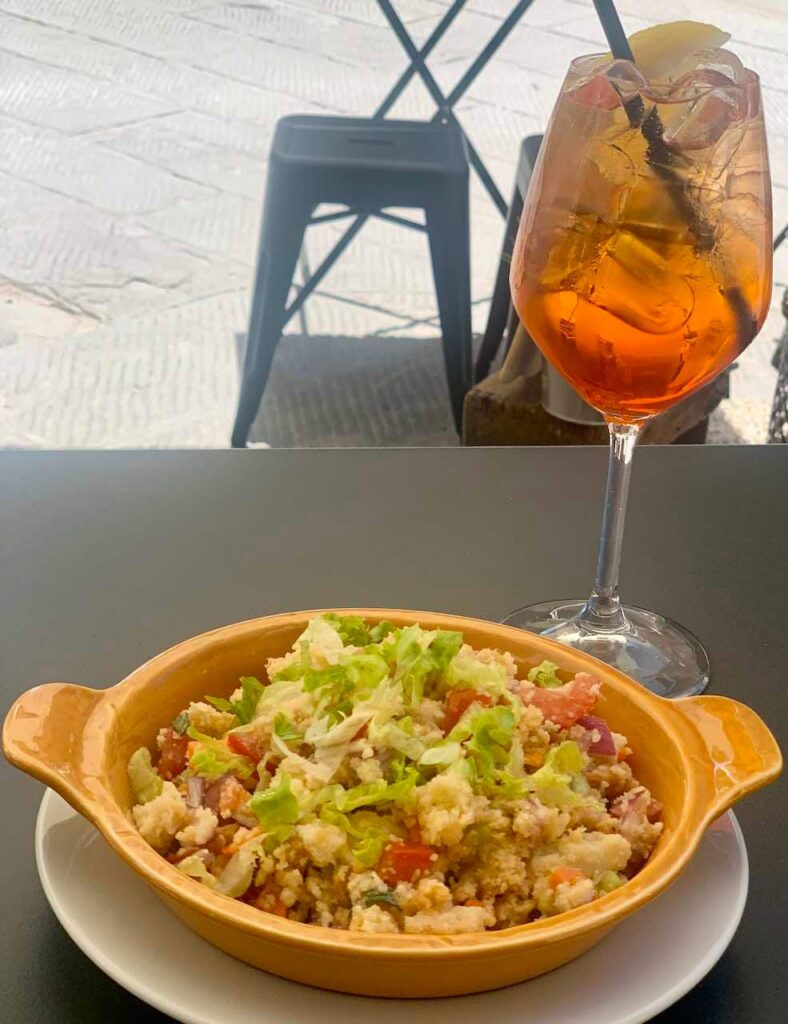
Panzanella is one of the freshest dishes in Florence, Italy, especially during summer.
This bread salad mixes soaked bread with tomatoes, onion, cucumber, basil, olive oil, and vinegar.
I found it to be one of the most refreshing meals in Florence—perfect when the weather is hot, and you want something light.
It’s simple, but the quality of ingredients makes all the difference.
Where to try: Mercato Centrale, Sant’Ambrogio Market
👉 Tip: Ideal midday meal between sightseeing stops.
5. Pappardelle al Cinghiale (Wild Boar Pasta)

Pappardelle al cinghiale is one of those dishes where the difference between average and exceptional is immediately obvious. After trying it in several places, I found that the key factor is how long the ragù is cooked—and how well the wild flavor is balanced.
Wild boar is naturally stronger and more intense than beef, and when it’s rushed or poorly prepared, it can taste overly gamey or dry. In better kitchens, the meat is marinated in red wine and slow-cooked for hours, resulting in a sauce that’s rich, deep, and perfectly integrated.
The best version I had was silky and cohesive—the meat almost melted into the sauce, rather than sitting on top of the pasta. That’s a sign of proper technique.
Another detail many overlook: fresh pappardelle makes a big difference. Thicker, rough-textured pasta holds the sauce far better than smoother, factory-made versions.
This is a dish that reflects Tuscany’s rural traditions, but in Florence, it’s also a clear marker of kitchen quality.
Where to try: Il Vivandiere – Cantina Vinicola
👉 Tip: If the sauce tastes overly tomato-heavy, it’s likely not traditional.
6. Gnudi Fiorentini (Ricotta Dumplings)
Gnudi Fiorentini is one of those dishes that often gets overlooked—but after trying it in several trattorias, it quickly became clear that it’s also one of the easiest ways to spot a kitchen that cares about technique.
The biggest difference comes down to texture and balance. When done well, gnudi should be incredibly light—soft, airy, and almost melting on the plate. In weaker versions, they become dense or overly floury, losing that delicate ricotta character.
The best gnudi I had were barely held together, with just enough structure to keep their shape. That’s a sign of confidence in the kitchen—less flour, more reliance on quality ricotta.
Another detail that stood out: restraint in the sauce. The classic butter and sage pairing works because it doesn’t overpower the dumplings. When covered in heavy tomato sauce, the dish loses its identity.
This is a great example of how Florentine cuisine values simplicity—but only when executed properly.
Where to try: Hosteria da Ganino
👉 Tip: If they feel heavy or chewy, they’re not made traditionally.
7. Crespelle alla Fiorentina (Florentine Crepes)
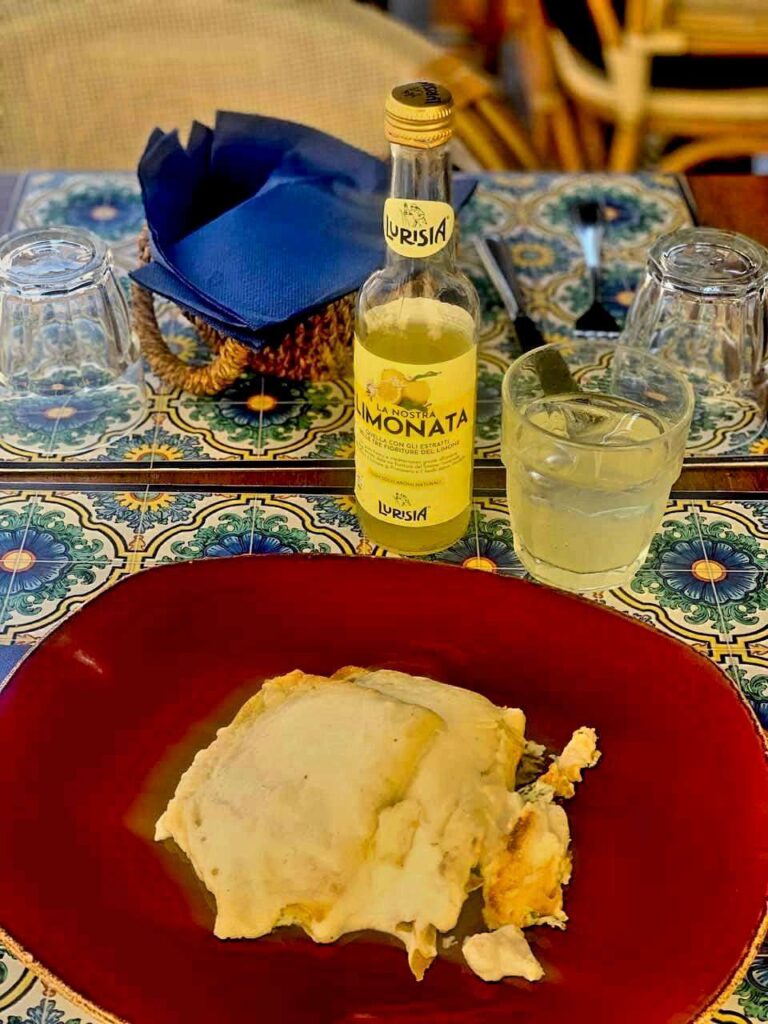
Crespelle alla Fiorentina is one of those dishes that quietly showcases the elegance of food in Florence Italy, blending rustic ingredients with a more refined, almost Renaissance-style presentation.
These savory crepes are filled with ricotta and spinach, then baked with béchamel and a light tomato sauce. When I first tried it, it reminded me of a lighter, more delicate version of lasagna—creamy, soft, and perfectly balanced without feeling overly heavy.
What makes this dish special is its layered texture. The thin crepes absorb the sauce while still holding their shape, creating a smooth and comforting bite. It’s a great option if you want something warm and satisfying but not as intense as meat-based dishes.
Historically, crespelle became popular in Florence during the Renaissance, when more elaborate baked dishes started appearing in noble kitchens.
Where to try: Finisterrae
👉 Tip: Ideal to share as a starter before a heavier main course.
8. Fagioli all’Uccelletto (Tuscan Beans)
Fagioli all’uccelletto might look like a simple side dish, but after trying it in different places, I realized it’s actually a strong indicator of how seriously a kitchen takes traditional Tuscan cooking.
The key difference comes down to bean quality and cooking time. Properly made, the cannellini beans should be creamy and fully infused with the tomato and sage sauce—not sitting separately or tasting under-seasoned.
In some restaurants, this dish feels like an afterthought. The beans are intact, but lack depth, and the sauce sits on top instead of integrating. In better versions, everything comes together into a rich, cohesive dish with a silky texture.
What stood out to me was how satisfying it is despite having no meat. It’s filling, balanced, and deeply comforting—exactly what Tuscan “cucina povera” is about.
This is also one of the most reliable vegetarian dishes in Florence that still feels completely authentic.
Where to try: Osteria del Porcellino
👉 Tip: If the beans are firm or separate from the sauce, it’s not done right.
Florence Street Food
9. Lampredotto Sandwich (Florentine Street Food)
Lampredotto is one of the most authentic food experiences in Florence—but also one of the easiest to misjudge if you try it in the wrong place.
After trying it from different vendors, I realized the biggest difference comes down to broth quality and freshness. The best lampredotto is incredibly tender, juicy, and deeply flavorful—not chewy or bland.
It’s made from the fourth stomach of a cow, slow-cooked in a vegetable broth for hours. What really defines a great version is how the bread is handled. The roll is often dipped in the broth before serving, which adds moisture and flavor. Skipping this step results in a much drier sandwich.
The version I had at Tripperia Pollini stood out immediately. The meat was soft without falling apart, and the balance between salsa verde and the rich broth was spot-on.
This is also one of the few foods in Florence that locals still eat regularly, especially for a quick lunch.
If you want something truly local—not adapted for tourists—this is it.
Where to try: Tripperia Pollini
👉 Tip: Eat it standing at the stall for the most authentic experience.
10. Trippa alla Fiorentina (Florentine Tripe)

Trippa alla Fiorentina is one of the most traditional dishes in Florence, representing the city’s deep-rooted “nose-to-tail” philosophy and respect for simple ingredients. While it may sound intimidating at first, tripe is a cornerstone of authentic food in Florence and widely loved by locals.
The dish is made from beef tripe, carefully cleaned, pre-boiled, and then slowly simmered in a rich tomato sauce with garlic, onion, carrot, celery, and fresh parsley. The long cooking process transforms the texture into something soft and tender, while the sauce develops a deep, comforting flavor.
What surprised me most when trying it was how approachable it actually is. The tomato base softens the intensity, making it much milder than expected—especially compared to tripe dishes in other regions of Italy.
Historically, trippa was considered “poor man’s food,” but today it’s a respected part of traditional Florence food and often featured on authentic menus and local food tours.
If you’re curious about lesser-known local dishes, this is a great way to go beyond the typical tourist experience.
Where to try: Tripperia Pollini, L’Antico Trippaio
11. La Schiacciata del Boss (Tuscan Stuffed Flatbread)
La Schiacciata del Boss is one of the most famous modern street food experiences in Florence, blending tradition with a contemporary twist. While deeply rooted in Tuscan baking, it has become a viral symbol of Florence food thanks to its bold flavors and generous fillings.
The base is schiacciata, a Tuscan flatbread similar to focaccia but lighter and crispier. It’s sliced open and packed with high-quality ingredients like prosciutto crudo, Tuscan salami, pecorino cheese, truffle cream, and fresh vegetables. The “Boss” version is especially rich and indulgent, making it one of the most satisfying quick meals in Florence.
I tried it at All’Antico Vinaio, and despite the long line, it was absolutely worth it. The contrast between the crispy bread and creamy fillings makes every bite incredibly balanced and flavorful.
Originally a humble bread, schiacciata has evolved into a must-try experience, especially for travelers looking for something fast but authentic.
It’s also the perfect lunch stop if you’re following a packed One Day in Florence itinerary.
Where to try: All’Antico Vinaio
12. Coccoli (Tuscan Fried Dough Bites)
Coccoli are one of the most underrated yet delicious discoveries in Florence food, often enjoyed as a starter or shared dish during aperitivo. These small fried dough balls are simple, comforting, and deeply rooted in Tuscan home cooking traditions.
Made from a basic dough of flour, water, yeast, olive oil, and salt, coccoli are deep-fried until golden and airy. The outside becomes lightly crisp, while the inside stays soft and fluffy, creating a perfect contrast in texture.
What makes coccoli special is how they are served. Traditionally, they come with stracchino cheese and prosciutto crudo. You open the warm dough, add creamy cheese and salty ham, and create your own bite—something that feels both interactive and indulgent.
I first tried coccoli in a small trattoria in the Oltrarno district, and it quickly became one of my favorite casual food experiences in Florence. It’s the kind of dish that locals order without thinking, which is always a good sign.
If you’re exploring authentic food in Florence beyond the obvious dishes, coccoli are absolutely worth trying.
Where to try: All’Antico Vinaio, Oltrarno trattorias
Desserts & Sweet Specialties in Florence
Florentine desserts are just one part of Italy’s incredible dessert culture. For a full breakdown, read my Best Italian Desserts guide.
13. Schiacciata alla Fiorentina (Florentine Cake)

Schiacciata alla Fiorentina is one of the most recognizable traditional local desserts, known for its soft texture and iconic powdered sugar top, often decorated with the Florentine lily. Although traditionally made during Carnival, it is now available year-round and remains one of the most authentic desserts in Florence.
The cake is made using simple ingredients—eggs, sugar, flour, olive oil, and orange zest—which create a light, airy texture and a delicate citrus flavor. Unlike heavier Italian desserts, it feels fresh and not overly sweet, making it ideal after a rich Tuscan meal.
I tried it at Caffè Gilli, and what stood out most was how balanced it was. The subtle orange flavor and soft crumb made it surprisingly easy to finish, even after a full dinner.
This dessert reflects the essence of Florentine cuisine: simple ingredients, refined results, and a strong connection to tradition.
If you’re exploring sweets beyond gelato, this is one of the most local and culturally meaningful options to include.
Where to try: Caffè Gilli, traditional pastry shops across Florence
14. Zuccotto (Semi-Frozen Dessert)

Zuccotto is one of the most historic and unique Florentine desserts, instantly recognizable by its dome shape and rich, semi-frozen texture. Often described as a cross between cake and gelato, it’s a true Renaissance dessert that reflects Florence’s culinary heritage.
The dessert is made by lining a dome mold with sponge cake soaked in liqueur—traditionally Alchermes—then filling it with a creamy mixture of ricotta, whipped cream, chocolate, or candied fruit. Once chilled or lightly frozen, it develops a firm yet smooth texture that slices beautifully.
Zuccotto is believed to date back to the Medici era and is often said to be inspired by the dome of Florence’s cathedral. Despite its deep historical roots, it’s surprisingly hard to find today, which makes it one of the most rewarding food discoveries in Florence.
I spent days looking for it before finally trying it at Gelateria Badiani—and it was worth the effort. The flavor was rich but balanced, with a subtle sweetness and a creamy, slightly boozy finish.
Where to try: Gelateria Badiani
15. Affogato (Espresso “Drowned” Gelato Dessert)

Affogato is one of the simplest yet most satisfying desserts you can experience in Florence. While it’s not originally from Florence, it has become a staple in the city’s cafés and gelaterias, perfectly reflecting Italy’s love for high-quality ingredients and minimalism.
The concept is beautifully straightforward: a scoop of gelato—usually vanilla or hazelnut—is “drowned” in a shot of hot espresso. The contrast between hot and cold creates a silky, melting texture where the gelato slowly blends into the coffee, forming a rich, bittersweet cream.
I tried affogato at Vivoli Gelateria, and it quickly became one of my favorite dessert experiences in Florence. It works equally well as a dessert or an afternoon pick-me-up, especially after a long day of sightseeing.
The flavor is bold yet balanced—the espresso cuts through the creaminess of the gelato, creating a perfect harmony of bitterness and sweetness.
If you’re building a relaxed food itinerary, this is an easy addition to your Two Days in Florence itinerary, especially between major attractions.
Where to try: Vivoli Gelateria (the most famous affogato in Florence), historic cafés across Florence
16. Gelato (Italian Artisan Ice Cream)
Gelato is one of the most iconic Italian foods and an essential experience for anyone exploring food in Florence. While gelato is found across Italy, Florence played a key role in its development during the Renaissance, making it both a culinary and historical highlight.
Authentic gelato differs significantly from regular ice cream. It contains less air and fat, resulting in a denser texture and more intense flavor. Made with fresh milk, sugar, and natural ingredients like pistachio, hazelnut, chocolate, or seasonal fruit, each scoop reflects the quality of its ingredients.
One of the most famous Florentine flavors is “Buontalenti,” named after Bernardo Buontalenti, who is often credited with refining early gelato recipes for the Medici court.
During my time in Florence, I found that the best gelato came from smaller, artisanal shops rather than highly commercial spots. The texture was smoother, and the flavors tasted more natural and balanced.
Where to try: Vivoli Gelateria, Gelateria Badiani, artisan gelaterias across Florence
Traditional Drinks in Florence
17. Vino dalle Buchette del Vino (Wine from Florence’s Wine Windows)

One of the most unique experiences connected to Florence food culture isn’t a dish—it’s how you drink wine. The city’s historic buchette del vino (wine windows) offer a glimpse into Florence’s past while still being a functional part of modern food in Florence.
These small stone windows, built into Renaissance palaces, were originally used by noble families to sell wine directly to locals. They became especially important during times of plague, allowing for contactless service—something that makes their recent revival even more fascinating.
Today, you can walk up, ring a bell, and receive a glass of Tuscan wine—often Chianti—served directly through the window. It’s a simple experience, but one that feels deeply connected to the city’s history.
I tried this at Babae, and it was easily one of the most memorable moments of my trip. It’s quick, authentic, and unlike anything else you’ll do in Florence.
This is also a perfect stop to include while following your Best Things to Do in Florence route.
Where to try: Babae (Oltrarno), Osteria San Fiorenzo (near Santa Croce), Caffè Duomo (near the Cathedral)
18. Negroni Cocktail

The Negroni is one of the most famous drinks in the world—and it was born right here in Florence. As part of Florence’s food culture, it represents the city’s elegant aperitivo tradition and is a must-try beyond classic Tuscan dishes.
The story goes that Count Camillo Negroni asked for a stronger version of his Americano at a Florence bar, replacing soda water with gin. The result was a perfectly balanced cocktail made with equal parts gin, sweet vermouth, and Campari, finished with an orange slice.
The flavor is bold, bittersweet, and aromatic, making it an ideal pre-dinner drink. It’s not overly sweet, which is why it pairs so well with rich Florentine cuisine.
I had my first Negroni at Caffè Gilli, and it felt like the perfect way to slow down after a day of exploring. Sitting in a historic square with a classic cocktail really captures the essence of Florence.
If you’re interested in local drinking culture, this is a highlight often included in Florence food tours and aperitivo experiences.
Where to try: Caffè Gilli, Caffè Rivoire, rooftop bars across Florence
A Perfect Food Day in Florence
- Morning: espresso with pastry in Caffe Gilli
- Lunch: schiacciata sandwich at All Antico Vinaio
- Afternoon: gelato at Gelateria Bandiani
- Dinner: bistecca alla fiorentina and a glass of Tuscan wine (Chianti or Brunello di Montalcino)
- Evening: Negroni at a rooftop bar
👉 This structure fits perfectly into your 1 Day in Florence Itinerary or can be expanded in your 2 Days in Florence Itinerary.
🍽️ Where to Eat in Florence (Best Places & Traditional Restaurants in Florence)
If you’re searching for the best restaurants in Florence, Italy, the truth is simple: the city rewards you when you know where to look.
Florence isn’t about endless fine dining lists—it’s about small trattorias, historic osterias, and local food counters where recipes haven’t changed in decades.
After testing dozens of places across the city, these are the restaurants and food spots in Florence that consistently deliver the most authentic experience, whether you’re looking for Florentine steak, traditional Tuscan pasta, or true local street food.
🥇 Best Overall Restaurants in Florence (Traditional Tuscan Food)
These are the places that define what authentic Florence food actually tastes like.
🍝 Trattoria 13 Gobbi (Santo Spirito)
One of the most reliable traditional restaurants in Florence.
Known for classic Tuscan dishes like:
- Bistecca alla Fiorentina
- Pappardelle al cinghiale
- Ribollita
The food here is simple, consistent, and rooted in tradition. It’s not modern or experimental—it’s exactly what people expect when they think of Florence cuisine done right.
👉 Best for: First-time visitors wanting a true Tuscan meal
👉 What to order: Florentine steak + wild boar pasta
🍝 Osteria Santo Spirito (Oltrarno)
A great balance between local food and relaxed atmosphere.
This is one of the best places in Florence for:
- Handmade pasta
- Tuscan appetizers
- Casual but high-quality dining
It’s slightly more modern than traditional trattorias but still very authentic in execution.
👉 Best for: Relaxed dinner in a lively square
👉 What to order: Fresh pasta + Tuscan wine
🥩 Best Restaurants in Florence for Florentine Steak
If you want the real Bistecca alla Fiorentina, these are the places where it actually matters.
🔥 Trattoria Mario (San Lorenzo)
A no-frills, fast-moving local favorite near Mercato Centrale.
This is one of the most authentic steak experiences in Florence—simple tables, shared seating, and traditional cooking.
👉 Best for: Budget-friendly authentic steak experience
👉 What to order: Florentine steak (shared)
🔥 Osteria Santo Spirito (Oltrarno)
Also strong for steak, especially if you want a more relaxed setting than Mario’s.
👉 Best for: Atmosphere + steak combo
👉 What to order: Bistecca + house wine
🍝 Best Restaurants in Florence for Pasta & Local Dishes
These are the spots where Tuscan pasta dishes really stand out.
🍷 Il Vivandiere – Cantina Vinicola
A hidden gem for slow-cooked Tuscan pasta dishes.
Known for:
- Pappardelle al cinghiale (wild boar pasta)
- Rich Tuscan ragù dishes
The key here is depth of flavor—sauces are slow-cooked properly, which makes a huge difference.
👉 Best for: Traditional Tuscan pasta lovers
👉 What to order: Wild boar pappardelle
🍲 Osteria del Porcellino (Near Mercato Nuovo)
A solid, traditional osteria with a focus on classic Tuscan cooking.
This is a good place to try:
- Fagioli all’uccelletto
- Ribollita
- Simple grilled meats
👉 Best for: Authentic everyday Tuscan food
👉 What to order: Bean dishes + ribollita
🍝 Best Casual & Street Food Spots in Florence
Not every great meal in Florence happens in a restaurant.
🥪 All’Antico Vinaio (Multiple Locations)
The most famous schiacciata sandwich spot in Florence.
Yes, it’s tourist-heavy—but it’s still worth it for first-timers.
👉 Best for: Quick, high-quality lunch
👉 What to order: Truffle + salami schiacciata
🥩 Tripperia Pollini (Mercato Centrale area)
It is the best place to try real Florentine street food like:
- Lampredotto
- Trippa alla Fiorentina
This is where you experience the most traditional “working-class” food culture in Florence.
👉 Best for: Authentic street food experience
👉 What to order: Lampredotto sandwich
🥖 Mercato Centrale (San Lorenzo)
A modern food hall with traditional roots.
Great for trying multiple Florence dishes in one stop:
- Pasta
- Street food
- Tuscan meats
- Desserts
👉 Best for: Variety + easy tasting experience
👉 What to order: Mix and match stalls
🧠 Final Thoughts: Where to Eat in Florence
If you’re trying to figure out the best restaurants in Florence, Italy, don’t overcomplicate it.
The real pattern is simple:
- 🥇 Go to trattorias for traditional Tuscan food
- 🥩 Go early or book for Florentine steak
- 🥪 Use street food for quick, authentic lunches
- 🍷 Stick to local osterias for wine + pasta combinations
Florence rewards places that stay simple, seasonal, and local.
The best meals I had here were never the most expensive—they were the ones in small rooms, full of locals, where nothing changed for decades.
💡Florence Food Tips
- Lunch is often the best meal for traditional dishes
- Many restaurants offer fixed-price “menu del giorno”
- Street food is safe, affordable, and authentic
- Reservations are recommended for steak restaurants
🍷 Recommended Food Tours & Cooking Classes in Florence (2026 Guide for Food Lovers)
If you want to truly understand Florence food, a guided food tour or cooking class is one of the fastest ways to connect the dots between what you’re eating and why it matters.
You can absolutely explore Florence on your own—but the best tours add context: where locals actually eat, how dishes evolved, and which spots are worth your time (and which are tourist traps).
After comparing multiple experiences, I’ve narrowed it down to the best food tours and cooking classes in Florence based on food quality, experience, and overall value.
🏆 Best Florence Food Tours & Cooking Classes (Quick Comparison)
| Experience | Best For | Type | Why Book It |
|---|---|---|---|
| 🌇 Eating Europe Sunset Food & Wine Tour | First-time visitors | Walking food tour | Best all-round Florence food experience |
| 🥩 Evening Steak & Wine Food Tour | Meat & wine lovers | Dinner-style food tour | Focused Tuscan steak + wine pairing |
| 🍽️ Private Florence Food Tour (6–10 Tastings) | Custom experience | Private tour | Fully personalized food itinerary |
| 🍝 Pasta Cooking Class (Unlimited Wine) | Fun evening experience | Cooking class | Social, relaxed, wine-heavy experience |
| 🌾 Tuscan Farm Cooking Class + Gelato | Countryside experience | Farm cooking class | Most immersive Tuscan food experience |
🌇 🥇 Best Overall Food Tour in Florence (Editor’s Choice)
Eating Europe – Florence Sunset Food & Wine Tour
This is the best overall food tour in Florence if you want a complete introduction to the city’s food culture in one evening.
What makes it stand out is the flow of the experience. Instead of feeling like a checklist of tastings, it moves naturally through Florence at sunset—wine windows, local aperitivo bars, hidden food spots, and traditional bites you might otherwise walk straight past.
The timing matters. Florence feels completely different in the evening: slower, warmer, and far more local.
👉 Why book it: Best all-in-one introduction to Florence food culture
👉 Best for: First-time visitors, couples, short stays
👉 Book if you want: A curated evening of food, wine, and atmosphere
🥩 Best Food Tour for Steak & Tuscan Wine Lovers
Florence Evening Food Tour with Florentine Steak & Tuscan Wine
If your main goal is to understand Tuscany through its most iconic dish, this is the most focused experience.
Instead of spreading across many small tastings, this tour leans into Bistecca alla Fiorentina + Tuscan wine pairing, giving you a more structured dinner-style experience.
It’s especially valuable if you’ve never had properly prepared Florentine steak before—because the difference between average and exceptional is immediately obvious when it’s done right.
👉 Why book it: Deep dive into Florentine steak + wine culture
👉 Best for: Meat lovers, wine-focused travelers
👉 Book if you want: A proper Tuscan dinner experience with guidance
🍽️ Best Private Food Tour in Florence (Fully Custom Experience)
Florence Exclusive PRIVATE Food Tour (6 or 10 Tastings)
This is the most flexible way to explore Florence food.
Instead of following a fixed route, everything is tailored—street food, hidden trattorias, wine bars, or specialty dishes depending on your preferences.
The biggest advantage is control. You can focus more on what interests you (like lampredotto or ribollita) and skip what doesn’t.
👉 Why book it: Fully personalized Florence food experience
👉 Best for: Couples, small groups, luxury travelers
👉 Book if you want: A food tour designed entirely around your taste
🍝 Best Cooking Class in Florence (Unlimited Wine Experience)
Florence: Pasta Cooking Class with Unlimited Wine
This is one of the most enjoyable and social food experiences in Florence.
You don’t just watch—you actually make fresh pasta from scratch, then sit down and eat it with unlimited Tuscan wine.
It feels less like a formal class and more like a long, relaxed dinner with new people.
👉 Why book it: Best mix of cooking, food, and unlimited wine
👉 Best for: Couples, solo travelers, social experiences
👉 Book if you want: A fun, wine-filled evening in Florence
🌾 Best Tuscany Farm Cooking Experience (Most Immersive)
Florence Pizza or Pasta Class with Gelato Making at a Tuscan Farm
This is the most immersive countryside food experience near Florence.
Unlike city-based classes, this takes you into the Tuscan countryside where ingredients actually come from. You’ll cook traditional dishes, then finish with gelato-making, which is surprisingly fun and hands-on.
It’s less about technique and more about the full Tuscan lifestyle experience.
👉 Why book it: Most immersive countryside food experience
👉 Best for: Families, experience-focused travelers, day trips
👉 Book if you want: A break from the city with real Tuscan cooking
🧠 Final Take: Which Florence Food Tour Should You Choose?
It depends on what kind of experience you want:
🌾 Best immersion → Tuscan farm cooking class
🏆 Best overall experience → Eating Europe Sunset Tour
🥩 Best for food + wine depth → Steak & Wine Tour
🍽️ Best flexibility → Private Food Tour
🍝 Best social experience → Pasta + unlimited wine
🚗 Combine Food With Day Trips
Florence is also the perfect base for exploring Tuscany.
After trying these dishes, consider expanding your food experience with:
- 👉 Florence to Siena Day Trip (for traditional Tuscan cuisine)
- 👉 Florence to Pisa Day Trip (combine food + landmarks)
- 👉 Best Day Trips from Florence (full regional guide)
These trips introduce you to even more regional dishes beyond Florence.
❓ People Also Ask About Florence Food
What food is Florence famous for?
Bistecca alla Fiorentina, ribollita, and lampredotto are the most famous dishes.
Is Florence good for vegetarians?
Yes. Many traditional dishes like ribollita, pappa al pomodoro, and fagioli all’uccelletto are vegetarian.
What is the most traditional Florentine dish?
Bistecca alla Fiorentina is considered the most iconic dish of Florence.
Is street food in Florence safe?
Yes. Lampredotto and other street foods are widely consumed by locals and are safe when bought from established vendors.
Is Florence good for food?
Yes—Florence is one of the best cities in Italy for traditional cuisine.
What is traditional food in Florence?
Traditional dishes include Tuscan soups, grilled meats, and handmade pasta.
🧠 Final Thoughts
Florence food is about simplicity done perfectly.
Some of the best meals I had weren’t planned—they happened in small places filled with locals.
If you want the real experience:
- Follow local recommendations
- Explore beyond tourist areas
- And combine food with well-planned itineraries
That’s how you truly experience Florence.
For more inspiration, explore the guides below to plan the perfect Florence trip.
🔗 More Florence & Tuscany Guides
- 👉 Best Things to Do in Florence – must-see attractions and hidden gems
- 👉 1 Day in Florence Itinerary – city’s highlights in 1 day
- 👉 2 Days in Florence Itinerary – a slower, deeper city experience
- 👉 Best Italian Food – dishes you must try across Italy
- 👉 Traditional Food in Tuscany – authentic regional specialties
- 👉 Florence Italy day trips guide – Pisa, Siena, Chianti & more