Stop Spending All Your Time in Venice — The Best Day Trips from Venice Are Too Good to Miss


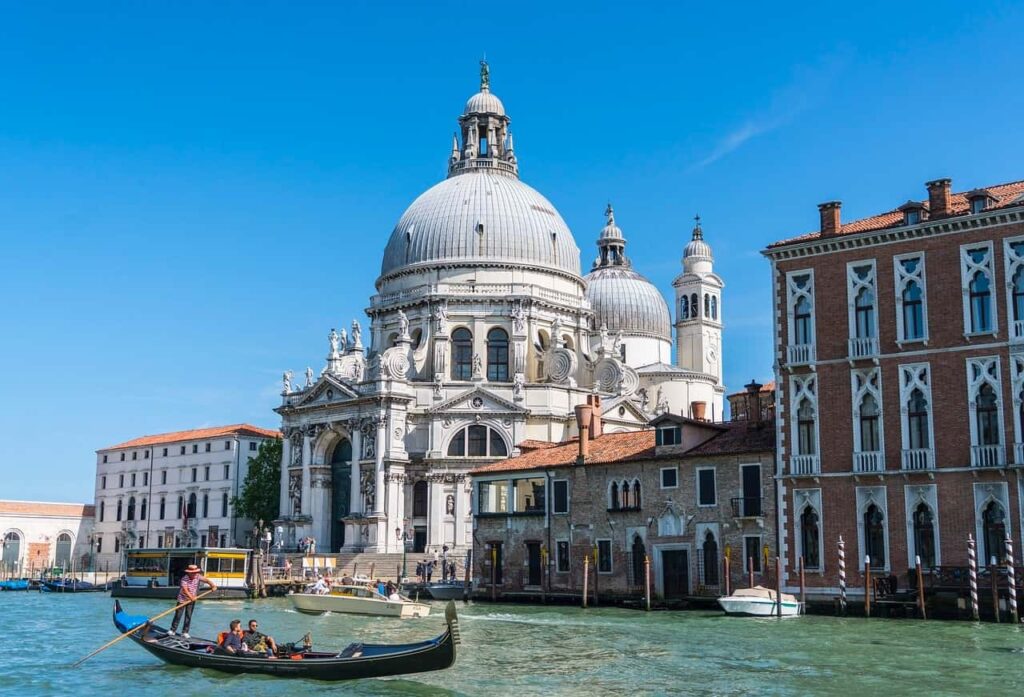
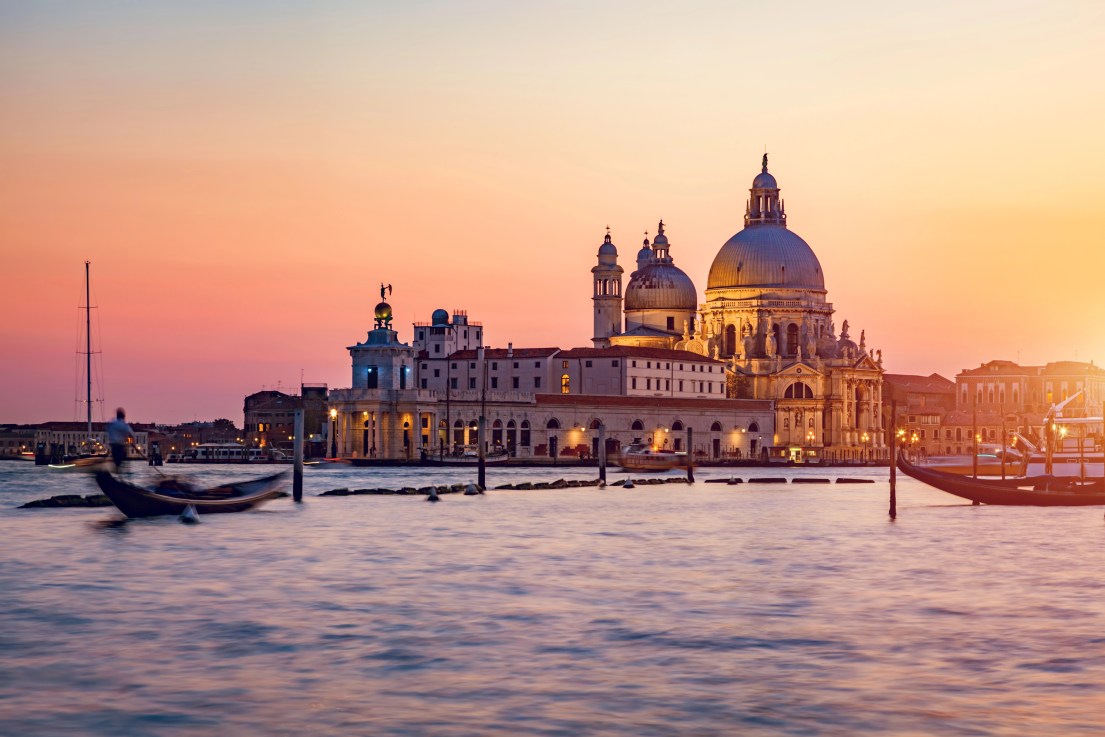
Venice is one of those rare cities that stops you in your tracks. You cross ancient stone bridges, drift through narrow canals, and find yourself marveling at palaces that should not, by any logical measure, still be standing. But one of the smartest things you can do when visiting La Serenissima is use it as a base.
Some of the best day trips from Venice begin the moment you step off the island. Whether you’re wondering about places near Venice to visit, day trips from Venice by train, or scenic excursions into the mountains and countryside, the options are genuinely exceptional.
Within one to two hours, you can be wandering colorful lagoon islands, exploring Palladian masterpieces, tasting Prosecco in Treviso’s wine hills, hiking in the Dolomites, or catching a fast train to Florence for one of Italy’s greatest art cities. The region surrounding Venice — Veneto, Friuli-Venezia Giulia, and Emilia-Romagna — is among the most rewarding in the entire country.
Planning your full Venice trip? Make sure you’ve also covered the best things to do in Venice while you’re in the city itself — and if you’re still deciding where to sleep, my guide to the best places to stay in Venice breaks down every neighborhood by style and budget.
A quick note before you start planning: every trip in this guide is somewhere I’ve actually been. Not researched, not borrowed from other lists — visited, walked, eaten in, and formed a real opinion about. The good, the crowded, the underrated, and the ones worth setting a 6 AM alarm for. No filler, no destinations added for length. Just the places I’d send someone I actually care about, getting it right.
Quick Answer: Best Day Trips from Venice at a Glance
If you only have time for one day trip from Venice, here’s how to decide:
| Category | Best Choice |
|---|---|
| Best Overall | Verona |
| Best by Train | Bologna or Florence |
| Best Lagoon Escape | Burano + Murano combined |
| Best for Nature Lovers | Dolomites Day Trip |
| Best for Wine Lovers | Prosecco Hills (Valdobbiadene) |
| Best Hidden Gem | Chioggia or Asolo |
| Best Romantic Trip | Lake Garda |
| Best for History | Padua or Ravenna |
| Best Beach Day Trip | Lido |
| Best for Fashion & Design | Milan |
| Most Underrated | Chioggia |
| Best Quick Escape | Torcello |
For something effortless and iconic, Burano and Murano together make the perfect half-day. For a full-day cultural immersion, Verona or Padua is hard to beat. And if you’re considering longer weekend trips from Venice, Bologna, and Florence are reachable by high-speed train and well worth the journey.
My personal top 3: Verona for its Roman grandeur and wine, Burano+Murano as an effortless half-day, and Chioggia as the best-kept secret in the entire lagoon. I’ve guided friends to all three, and the response is always the same: “Why didn’t we know about this?”
Why Venice Is the Perfect Base for Day Trips
Venice sits at one of Italy’s most strategically connected travel hubs. From here, you can easily reach:
- Lagoon islands under an hour by ferry
- Medieval Veneto cities under 90 minutes by train
- The Dolomites for a full Dolomites day trip from Venice
- Lake Garda for a scenic day trip from Venice to Lake Garda
- Fast-train cities like Ferrara, Bologna, and Florence
- Historic gems like Padua, Vicenza, and Verona
- The Adriatic coast and Trieste to the east
A practical note from experience: Venice’s vaporetto (water bus) system connects to the lagoon islands using the same transport pass you use in the city. That means Burano, Murano, Torcello, and Lido are essentially “free” if you already hold a 24h or 48h pass — making them among the most cost-efficient Venice day trips available.
If you stay only in Venice, you see one masterpiece. If you take day trips from Venice, you experience an entire world of landscapes, art, food, and culture that most visitors miss entirely.
One more thing worth noting before you head out: Venice’s food scene is exceptional in its own right. If you haven’t yet explored the bacari trail or the Rialto market, my guide to the best food in Venice is essential reading before you leave the island.
Best Lagoon Island Day Trips from Venice
The islands of the Venice Lagoon are the easiest and most accessible day trips near Venice. Reachable entirely by vaporetto (water bus), they offer wildly different atmospheres from one another — and from Venice itself.
1. Burano — A Rainbow Island That Feels Like a Painting
- Travel time: 45 minutes by vaporetto (Line 12 from Fondamente Nove)
- Best for: Photography, couples, slow wandering
- Honest crowd warning: Busy 10 AM–3 PM daily in summer; arrive early or late

If you could paint a village with every pastel on your palette, it might look something like Burano. Each house is painted a different shade — cobalt blue, sunflower yellow, rose pink, mint green — and the reflections shimmer in the quiet canals below. It is one of the most photographed spots in all of Italy, and it earns every click.
Burano has been a fishing community for centuries, and that slower pace of life still lingers. Walk the lanes without a plan. Browse the lace shops, where Burano’s famous centuries-old tradition of merletto (needle lace) is still practiced. Stop into the Museo del Merletto to see the craft up close — the detail in antique pieces is genuinely extraordinary. Then sit down for a proper seafood lunch; risotto di go (lagoon fish risotto) is the local specialty, and it’s extraordinary.
The island is small enough to explore in two to three hours, making it an ideal half-day trip from Venice or an easy stop on a Venice Italy day trip combining multiple islands. In fact, if you’re spending two days in the city, Burano and Murano together make the perfect afternoon of Day 2 — exactly as I’ve structured my two days in Venice itinerary.
I’ve been to Burano at noon in July (chaotic, but still beautiful) and at 8 AM in October (silent, golden, and mine alone). The latter wins by a mile. Go early or late — the colors look better in softer light anyway.
Getting there: Vaporetto Line 12 from Fondamente Nove. Approximately 45 minutes. Included with any Venice City Transport Pass (24h/48h/72h/7-day). Alternatively, book a guided boat tour combining Burano and Murano for the most seamless experience.
2. Murano — Where Glass Has Been Made Since 1291
- Travel time: 20 minutes by vaporetto (Line 3 or 4.1 from Piazzale Roma/Ferrovia)
- Best for: Art and craft lovers, shoppers, design enthusiasts
- Skip if: You have no interest in craft or shopping — there isn’t much else

The reason Venice moved its entire glassblowing industry to Murano in 1291 was fire risk — the furnaces that kept burning down parts of the main city were too dangerous to keep on the island. So they moved everything here, and Murano has been doing what it does ever since: making some of the most technically demanding decorative glass on earth.
Watch a live demonstration if you can. Watching a maestro pull a molten gather off the end of a blowpipe and coax it into a horse, a chandelier arm, or a vase in under three minutes is not something you forget quickly. The Museo del Vetro runs you through 700 years of the craft across two floors — worth the €15 entry for the historical context alone.
The back canals away from the main Fondamenta dei Vetrai are quieter and more local in feeling — a good place to eat lunch before catching the next vaporetto to Burano. One practical note: when you buy glass here, look for the Vetro Artistico Murano trademark, a small oval seal on the piece or its packaging. The tourist-facing shops along the main drag sell imported imitations alongside the real thing. Knowing the difference matters.
How to get there: Vaporetto Line 3 from Piazzale Roma, or Lines 4.1/4.2 from Fondamente Nove. Around 20 minutes. Many travelers combine Murano with Burano in a single lagoon islands tour.
3. Torcello — The Island Where Venice Was Born
- Travel time: 45 minutes by vaporetto (Line 12, one stop past Burano)
- Best for: History lovers, peaceful escapes, off-the-beaten-path travelers
- Time needed: 2–3 hours is plenty; pack a picnic
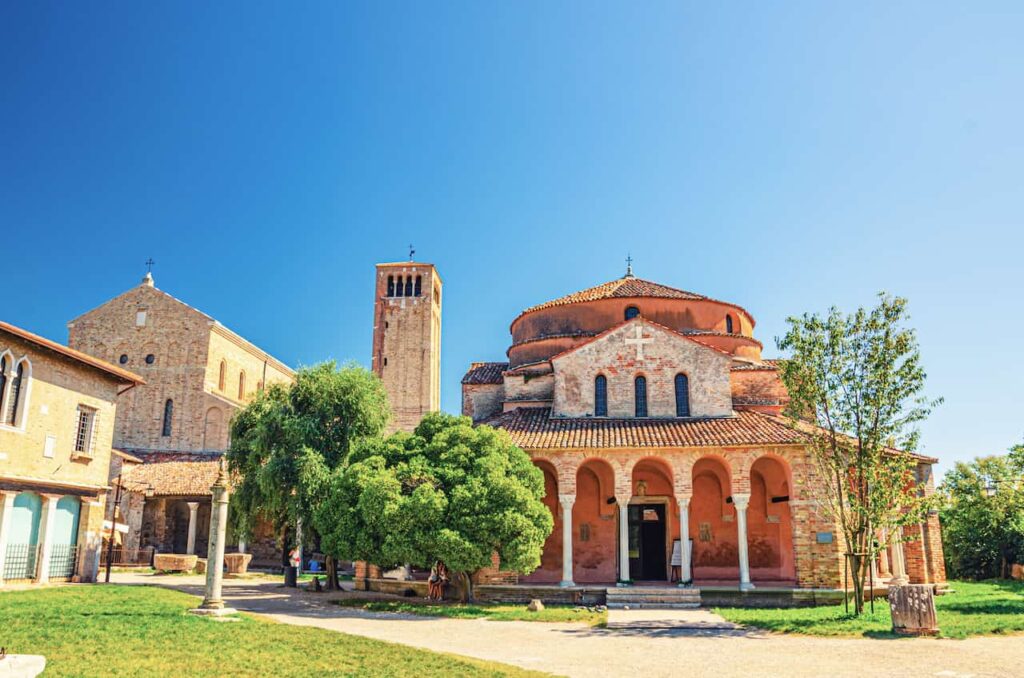
If Burano is vivid and Murano is artisanal, Torcello is contemplative. This small, largely depopulated island was actually the first place Venetians settled, before the main city was built — making it the oldest inhabited point in the entire lagoon. At its peak in the 10th century, Torcello had a population of around 20,000. Today, fewer than a dozen people live here.
What remains is remarkable: the Cathedral of Santa Maria Assunta, dating to 639 AD, contains some of the finest Byzantine mosaics in Europe, including a towering Last Judgment that covers an entire interior wall. The nearby Church of Santa Fosca, with its elegant 11th-century arcade, is equally striking. Between them sits a Roman stone chair locals call the “Throne of Attila” — its origins disputed, but its atmosphere undeniable.
Most Venice itineraries combine Murano and Burano and skip Torcello entirely. I’d argue Torcello is the most historically significant island in the whole lagoon. If you can only add one stop to the standard route, make it this one. The Locanda Cipriani restaurant does a famous garden lunch — small, beloved, book ahead.
How to get there: ACTV vaporetto Line 12 from Fondamente Nove to Torcello. Around 45 minutes total. Included with the Venice transport pass. You can also join a panoramic boat tour combining Torcello, Burano, and Murano.
4. Lido — Venice’s Blue-Flag Beach Island
- Travel time: 10 minutes by vaporetto (Line 1 from San Marco–San Zaccaria)
- Best for: Beach days, summer escapes, cyclists
- Best season: June–September for swimming; year-round for cycling and walking
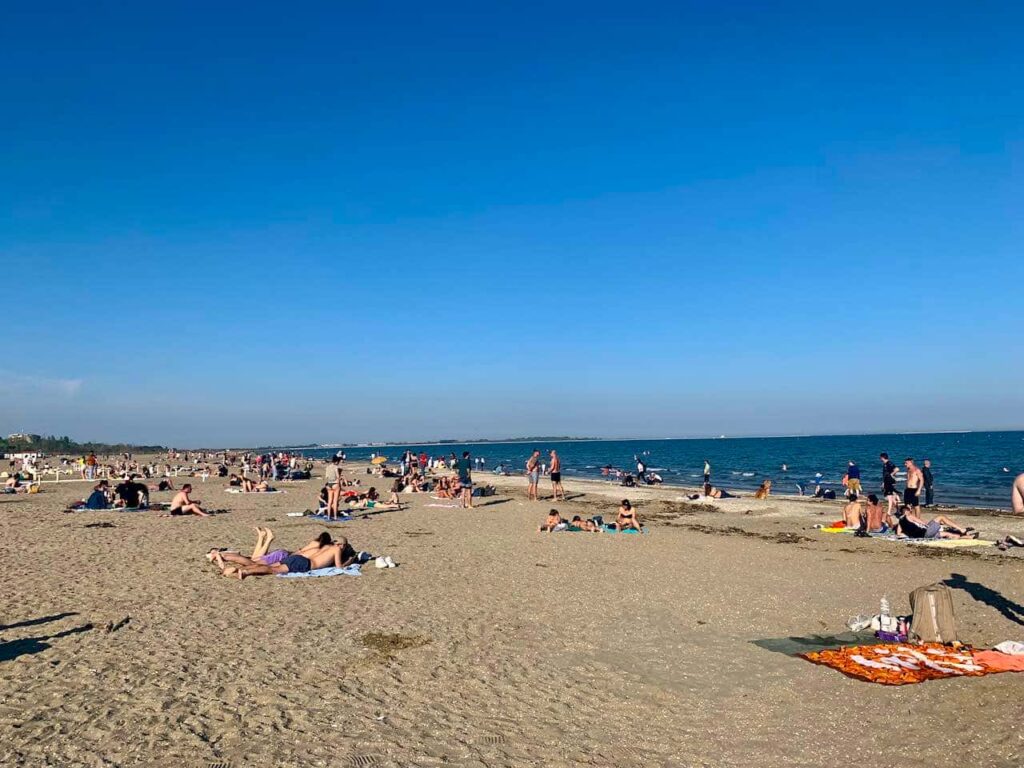
Most first-time Venice visitors never make it to the Lido, which is a shame, because it takes about as long to get there as it does to cross from one end of the crowded Rialto Bridge to the other. The Lido di Venezia is a long barrier island that separates the lagoon from the Adriatic — sandy beaches on one side, Liberty-style resort villas and tree-lined boulevards on the other, and actual cars on actual roads, which feels genuinely surreal after a few days in Venice.
Rent a bike at the ferry landing. Cycle south through the villas toward Alberoni, where the beach is free, wide, and much less crowded than the central stabilimenti (private beach clubs, which charge for loungers). Swim, eat lunch at a waterfront trattoria, and catch the late afternoon vaporetto back. You’ll have spent close to nothing.
The Venice Film Festival happens here every September, which adds a layer of glamour that the island carries lightly for the rest of the year. Arriving by vaporetto at the San Nicolò end of the island and cycling the full length — about 11 km — is one of the better mornings you can spend near Venice.
Getting there: Vaporetto Line 1 or 5.1 from San Marco–San Zaccaria. Around 10 minutes — the easiest Venice day trip by some distance, and covered by the transport pass.
5. Chioggia — The Little Venice That Locals Actually Live In
- Travel time: 1 hour by bus from Piazzale Roma, or ~1.5 hours by summer ferry
- Best for: Authentic atmosphere, fresh seafood, travelers who want Venice without the crowds
- Go on: Tuesday or Friday morning for the fish market at its largest
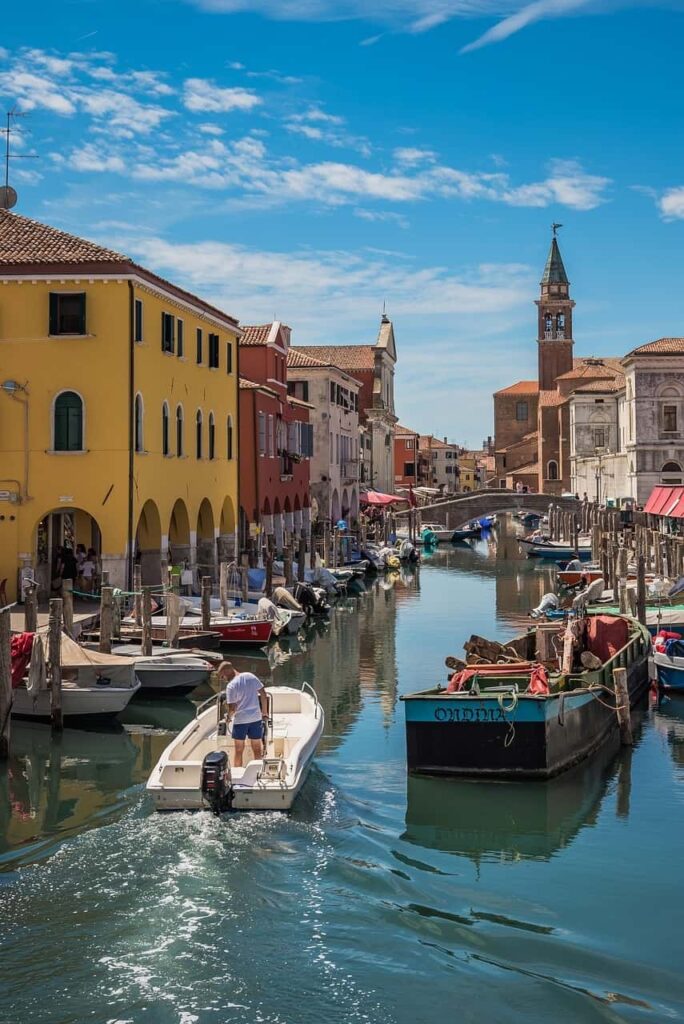
Here is the honest truth about Chioggia: it looks like a smaller, quieter Venice, it sits at the southern end of the same lagoon, it has canals and arched bridges and a main street lined with market stalls, and almost no international tourist has ever heard of it. That combination — genuine beauty plus zero overcrowding — makes it the day trip I recommend most often to anyone who has already done the standard circuit and wants something that actually surprises them.
Chioggia is a working fishing port, one of the largest on the Adriatic, and unlike Venice, it has no interest in pretending otherwise. The fish market (Mercato Ittico) opens before dawn and runs until whatever came in that morning is sold. The restaurants, two streets away, serve gò risotto, fresh clam pasta, and sarde in saor — sweet-sour sardines that are a Venetian-lagoon specialty — at prices that will seem almost offensive compared to what you’ve been paying on the Grand Canal.
The historic center has genuine architecture worth looking at: the Cathedral of Santa Maria Assunta is a Longhena baroque original, the Church of San Domenico holds a Carpaccio painting, and the Vigo Column with its winged Lion of St. Mark watches over the harbor. But honestly, you don’t need an agenda here. Just walk, eat, and notice how a real Italian city on the water feels when it’s been left to be itself.
Getting there: Bus line 11 from Piazzale Roma. About 1 hour, no advance booking needed. In summer, a lagoon ferry makes the run in about 1.5 hours through the southern lagoon — the ferry is worth it if you want the scenic approach. Book it ahead.
Best Day Trips from Venice by Train
Venice’s Santa Lucia station sits right at the edge of the island, making day trips from Venice by train exceptionally convenient. Regional trains, Intercity services, and high-speed Frecciarossa connections open up a wide arc of destinations — from the Veneto plain to Emilia-Romagna to Tuscany.
Train Comparison: Best Day Trips from Venice by Train
| Destination | Travel Time | Best For |
|---|---|---|
| Padua | 25–30 min | Art, history, and university energy |
| Treviso | 30 min | Prosecco, local life, zero crowds |
| Vicenza | 40 min | Palladian architecture, quiet elegance |
| Verona | 1 hr 10 min | Romance, Roman history, Amarone wine |
| Ferrara | 1 hr 15 min | Renaissance art, cycling, UNESCO heritage |
| Bologna | 1 hr 25 min | Italy’s finest food city |
| Trieste | 2 hrs | Habsburg atmosphere, literary culture |
| Florence | 2 hrs 30 min | Renaissance art, bucket-list |
| Milan | 2 hrs 30 min | Fashion, design, and the Last Supper |
6. Padua — Art, Saints, and One of Italy’s Greatest Frescoes
- Travel time: 25–30 minutes by train
- Best for: Art lovers, history enthusiasts, first-time visitors to the Veneto
- Don’t miss: Scrovegni Chapel — book weeks in advance, entry is timed and strictly limited
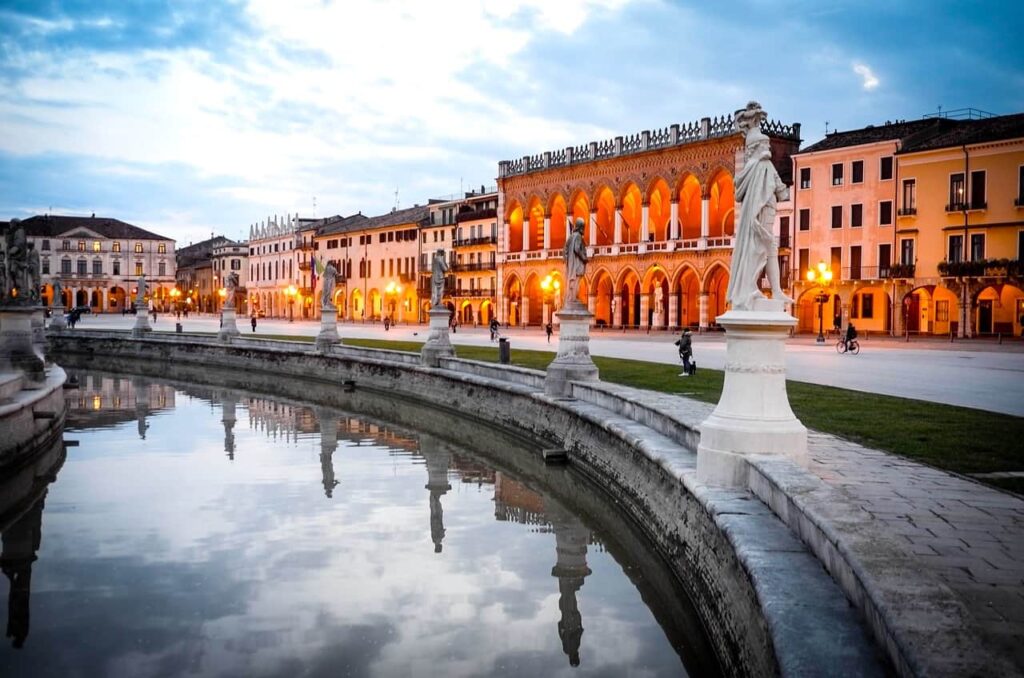
Padua (Padova) is one of the most rewarding day trips from Venice by train — partly because it takes under half an hour to get there, and partly because what awaits is extraordinary. The Scrovegni Chapel alone justifies the journey: Giotto’s early 14th-century fresco cycle is considered one of the most important works in Western art history, and standing inside it — surrounded on all three walls and the ceiling by 37 scenes painted with an emotional directness that feels modern even now — is quietly overwhelming. Entry is timed and limited to 25 people at a time; book online weeks in advance.
The rest of the city is excellent and easy to miss if you’ve only come for the chapel. Italy’s second-oldest university (founded 1222) means Padua has an intellectual and social energy that many older Veneto towns lack — the streets around the Bo Palace are full of students and good cheap restaurants. Prato della Valle, one of Europe’s largest squares, is ringed by statues reflected in an elliptical canal. The Basilica of Sant’Antonio draws pilgrims from across the Catholic world and is genuinely moving whether you’re religious or not. The covered medieval market halls at Palazzo della Ragione are among the finest in Europe.
Don’t skip lunch — Paduan food is its own thing. Bigoli con l’arna (thick pasta with duck), sopa coada (pigeon bread soup), and the city’s cicchetti bars are all worth your time. And before you leave: the Orto Botanico, the world’s oldest university botanical garden (1545), takes 45 minutes and costs very little. It’s UNESCO-listed and genuinely lovely.
Getting there: Frequent regional and high-speed trains from Venice Santa Lucia. 25–30 minutes. No seat reservation needed on regional services. Optionally, take a guided day tour.
7. Treviso — Prosecco, Tiramisu, and a City That Belongs to the Locals
- Travel time: 30 minutes by train
- Best for: Authentic local atmosphere, wine lovers, travelers tired of tourist crowds
- Best day to visit: Saturday morning for the market in Piazza dei Signori
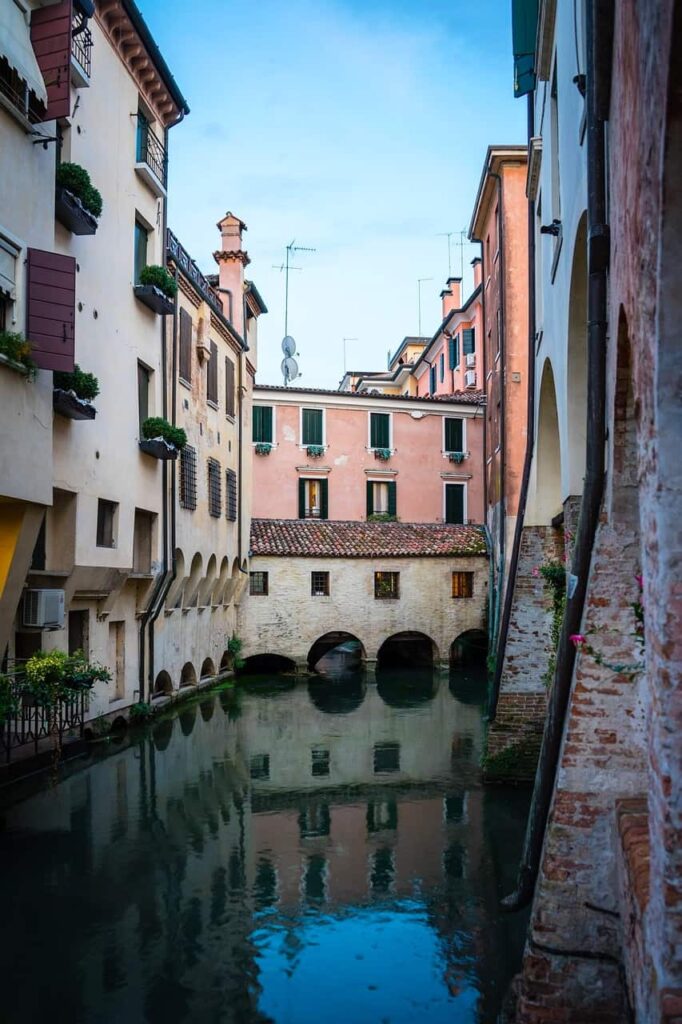
Treviso is about 30 minutes from Venice by train and might as well be in a different world. The Trevigiani go about their lives here — shopping at the covered markets, drinking Prosecco at canal-side bacari, cycling along the medieval walls — without much concern for tourism, which is exactly what makes the city so enjoyable to visit.
Treviso is one of the best cities near Venice for travelers who want to eat, drink, and walk like a local. The Saturday morning market, the excellent wine bars along the canals, and the entirely unstaged quality of daily life make it feel like a genuine discovery.
The fish market building (Pescheria) sits on a small island in the Cagnan canal, and on market days it fills with the kind of direct, practical food commerce that Italy does better than anywhere. The Duomo has a Titian. The walls, dating back to the 16th century, are mostly intact and pleasant to walk. The bacari (wine bars) along the canals serve genuine Conegliano-Valdobbiadene Prosecco — the real stuff, DOCG, not the mass-produced variety — at prices that make Venice feel like a scam.
Treviso also claims to have invented tiramisu. The debate over who really did is genuinely contested, but the city takes it seriously, and you’ll find excellent versions everywhere. On Saturdays, the market in Piazza dei Signori pulls in locals from across the province — cheese, salumi, vegetables, noise, and coffee. It’s one of the best things I’ve done on a morning in the Veneto.
Getting there: Direct regional trains from Venice Santa Lucia approximately every 30 minutes. Very frequent.
8. Vicenza — The City That Palladio Built
- Travel time: 40 minutes by train
- Best for: Architecture lovers, quiet cultural immersion, travelers who prefer depth over crowds
- UNESCO status: City of Vicenza and the Palladian Villas of the Veneto (since 1994)
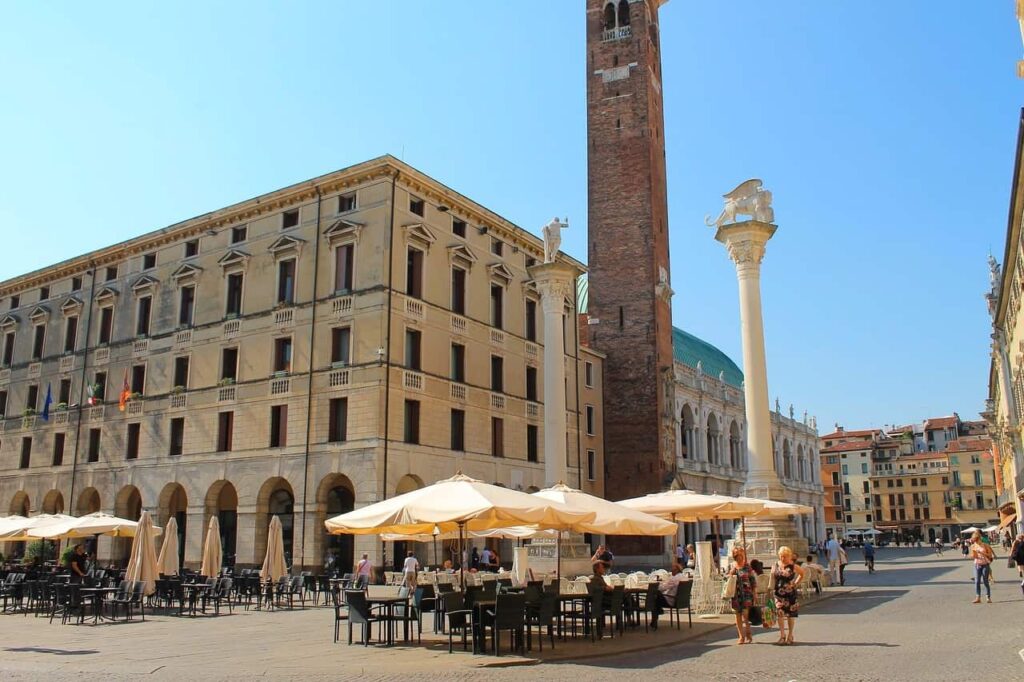
If Venice is a city built on water, Vicenza is a city built on ideas — specifically the ideas of Andrea Palladio, the 16th-century architect whose influence on Western building design is almost impossible to overstate. The White House, the US Capitol, Chiswick House in London, countless country houses across Europe and North America — all trace their lineage to designs Palladio developed right here. Walking Vicenza’s streets feels less like tourism and more like reading the source code of Western architecture.
The Basilica Palladiana anchors Piazza dei Signori with its elegant loggias and copper-green roof. The Teatro Olimpico — the world’s oldest surviving indoor theater, completed in 1585 — is one of the most remarkable rooms in Italy. Its trompe-l’œil stage set creates the illusion of a street receding into the distance, an effect that has been astonishing audiences for four centuries.
Vicenza is quieter than Verona, which some people read as boring, and others read as peaceful. The restaurants around the center serve baccalà alla vicentina — salt cod cooked slowly in milk and aromatics, served on polenta — which is one of the Veneto’s great dishes and goes well with a glass of Soave. Villa La Rotonda, Palladio’s most famous private commission and direct ancestor of half the government buildings in the Western world, is 2 km outside the center. Take a taxi.
Getting there: Frequent trains from Venice Santa Lucia. About 40 minutes. No reservation required on regional trains. Or, take a guided private day tour.
9. Verona — Romeo, Juliet, and an Arena That Still Hosts Opera
- Travel time: 1 hour 10 minutes by high-speed train
- Best for: Romance, Roman history, first-time Veneto visitors, wine lovers
- Opera season: July–September at the Arena; check the schedule before you go
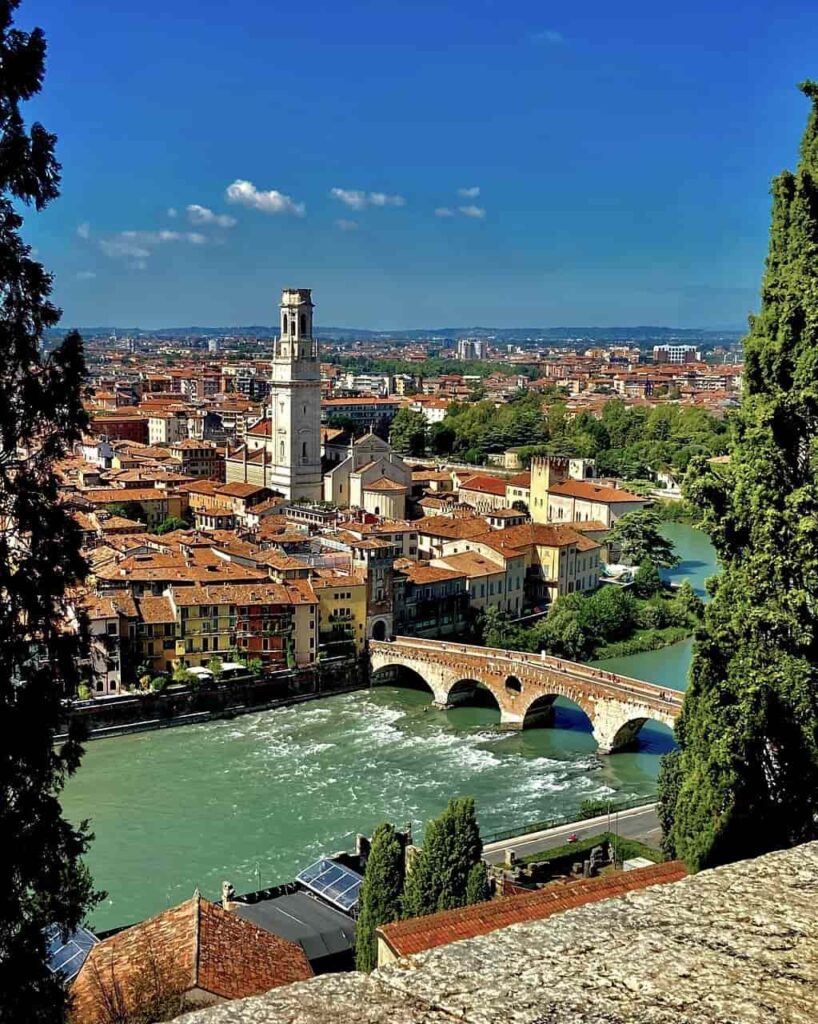
Verona is, by almost any measure, the most universally appealing of all day trips from Venice Italy. It has a Roman amphitheater that still hosts open-air opera in summer, a legendary balcony associated with Shakespeare’s most famous lovers, an immaculate medieval centro storico, some of the Veneto’s best restaurants, and easy rail connections from Venice that make the entire logistics simple.
The Arena di Verona, built in the 1st century AD, seats 22,000 and is one of the best-preserved Roman structures anywhere in the world. Walking inside it — imagining gladiatorial combat, or attending a Verdi opera under the stars as Veronesi have done since 1913 — is genuinely moving. Book your opera ticket in the Arena ahead.
From the Arena, the city’s best streets radiate outward. Via Mazzini leads to Piazza delle Erbe, the old Roman forum, still buzzing with markets and cafes. The Castelvecchio and its bridge over the Adige River offer views that justify any photograph. And yes, the balcony on Via Cappello draws its devoted pilgrims — the house is a museum now, and worth a visit even for cynics.
Verona also sits at the gateway to some of Italy’s finest wine country: Amarone, Valpolicella, and Soave are all produced within a short distance of the city.
Getting there: High-speed Frecciarossa from Venice Santa Lucia to Verona Porta Nuova. Around 1 hour and 10 minutes. The Arena is a 15-minute walk from the station. Verona is also reachable on a guided day tour from Venice.
10. Ferrara — A Renaissance City Without the Crowds
- Travel time: 1 hour 15 minutes by train
- Best for: Renaissance art, cycling, quiet exploration, UNESCO heritage
- Cycling note: Ferrara has more bicycles per capita than almost anywhere in Italy — rent one at the station
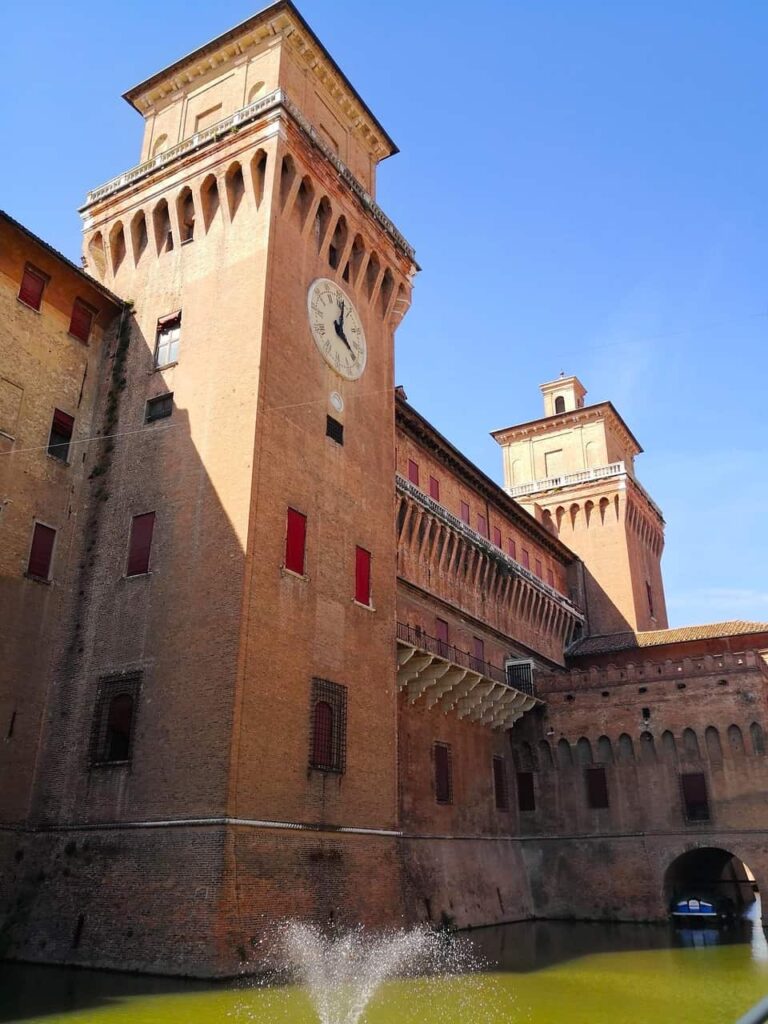
1 hour 15 minutes by train — rent a bike at the station, the city is perfectly flat
Ferrara was the Este duchy’s capital during the Renaissance, and it remains one of the best-preserved Renaissance cities in Europe. UNESCO gave it World Heritage status for both its historic center and its extraordinary position on the Po Delta. Unlike Padua or Verona, Ferrara sees relatively few international tourists, which means you get to look at things without managing crowds.
The Este Castle (Castello Estense) dominates the center with its moated mass — the dungeons are open to visit, and the rooftop views across the Po plain are good. The Cathedral is Romanesque-Gothic and extraordinary. The streets of the medieval Jewish quarter (giudecca) are some of the most evocative in northern Italy. The Renaissance urban planning around Corso Ercole I d’Este — a planned extension of the city from the 1490s — is exactly as UNESCO describes it: an unusually complete example of ideal urban design from that period.
Ferrara is also seriously good for food: cappellacci di zucca (pumpkin-filled pasta, served with butter and sage), salama da sugo (a slow-cooked fermented sausage that exists only here), and pampepato (a dense spiced chocolate-and-nut cake that’s been made since the Renaissance). Eat lunch somewhere in the center and spend the afternoon on a bike.
Getting there: Trains from Venice Santa Lucia approximately every hour, usually direct or with a quick change at Padua. About 1 hour 15 minutes.
11. Bologna — Italy’s Food Capital and a City of Covered Porticoes
- Travel time: 1 hour 25 minutes by high-speed train
- Best for: Food lovers, urban explorers, architecture enthusiasts
- UNESCO note: Bologna’s historic porticoes added to the World Heritage List in 2021
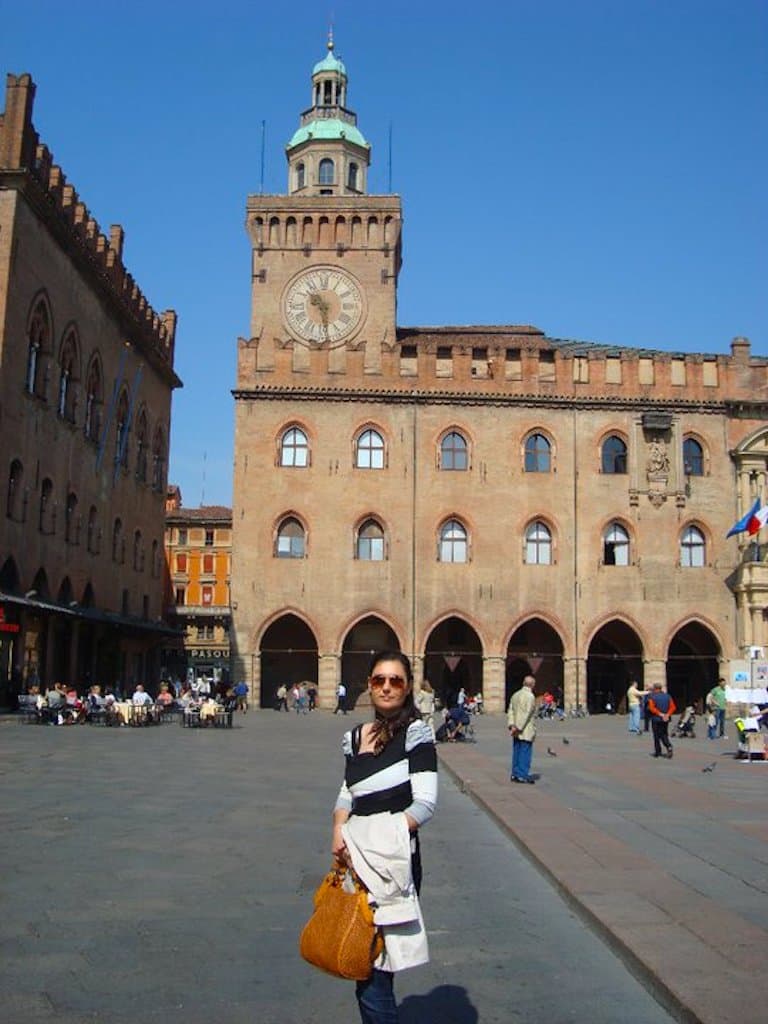
If you are willing to make a slightly longer day trip from Venice by train, Bologna rewards you with what many Italians quietly believe is the finest food city in the country. After spending real time there, I don’t think that its food reputation is overstated. Mortadella, tagliatelle al ragù (the original, never with spaghetti), tortellini in brodo, and aged Parmigiano-Reggiano aren’t tourist foods here — they’re daily staples made with the kind of quiet institutional pride that comes from doing something correctly for 500 years.
But Bologna is far more than lunch, even if lunch is the correct priority. The city’s covered porticoes — 62 kilometers of them, out of which 40 km run almost continuously through the center — are unlike anything else in Italy and were added to the UNESCO World Heritage List in 2021. Walk them in any weather; they were built for exactly this purpose. The two leaning medieval towers mark the center of the city: climbing the Asinelli’s 498 steps earns you a terracotta panorama that’s worth the burn. The university, founded 1088, is the oldest in the Western world, and the city still carries itself with the particular confidence of educating people since before most European nations existed.
An honest piece of advice: don’t try to squeeze Bologna into a rushed morning. Take an early train, eat a long lunch at a proper trattoria (tortellini in brodo first, always in broth, never in cream), spend the afternoon in the porticoes or at the Pinacoteca Nazionale, and catch a late train back. That’s the right shape for the day.
Getting there: High-speed Frecciarossa from Venice Santa Lucia to Bologna Centrale. About 1 hour 25 minutes. Very frequent throughout the day. A guided tour from Venice is also available.
12. Trieste — Habsburg Grandeur at the Edge of Italy
- Travel time: 2 hours by train
- Best for: Unique atmosphere, literary culture, travelers wanting something genuinely different
- What makes it different: More Central European than Italian in feel — and proud of it
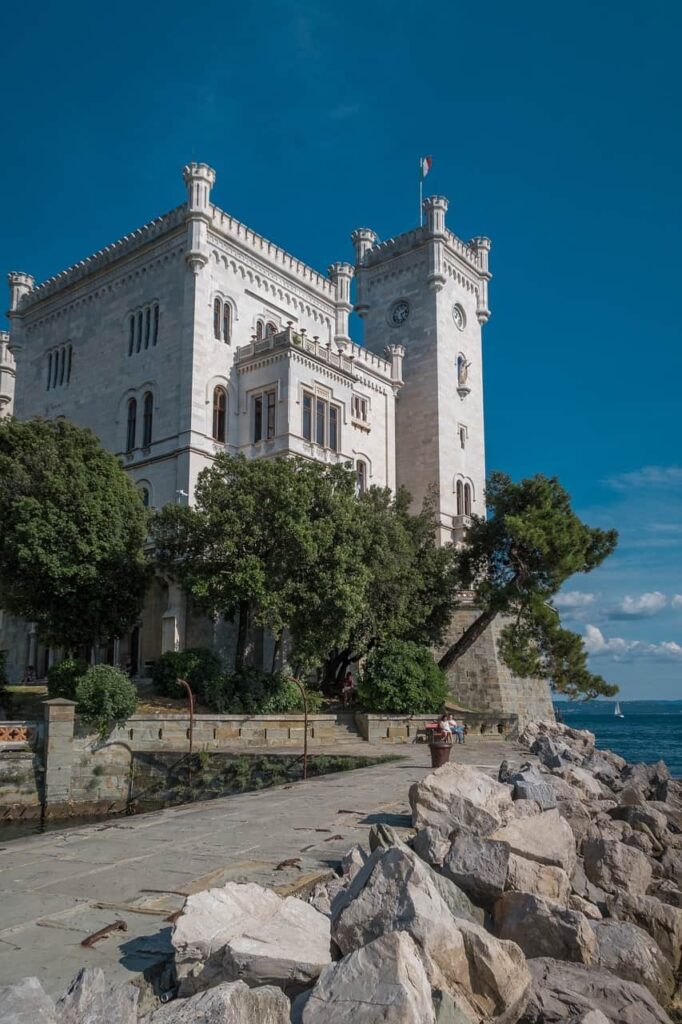
Trieste has always been a difficult city to categorize, which is part of what makes it fascinating. For centuries, the main seaport of the Austro-Habsburg Empire, it has a character that is Central European before it is Italian: grand Belle Époque cafes, neoclassical architecture, a melancholy literary atmosphere, and a Slovenian cultural presence that reflects its position at the very edge of the peninsula.
Joyce wrote most of Ulysses here between 1904 and 1915 — there’s a plaque on Via Donota. Italo Svevo was born here. Rilke wrote the Duino Elegies in a castle on the coast just outside town. The city has a long tradition of attracting writers who needed its particular combination of marginality, sea light, and intelligent cafe culture.
Piazza Unità d’Italia faces directly onto the Adriatic — one of Italy’s great squares, and unusual in being oriented toward the water rather than inward. The Miramare Castle on its white cliff above the sea is worth the short bus ride from the center. And the coffee culture here is its own system: ordering un caffè in Trieste gets you what the rest of Italy calls a macchiato. Settle into the Caffè San Marco and order whatever you like.
My honest recommendation: Trieste is the most atmospheric and undervisited city in northeast Italy. It doesn’t look like Italy, it doesn’t feel like Italy, and that is precisely what makes it remarkable.
Getting there: Direct trains from Venice Santa Lucia to Trieste Centrale approximately every hour. About 2 hours.
13. Florence — The Ultimate Day Trip from Venice by Train
- Travel time: 2 hours and 30 minutes by high-speed Frecciarossa
- Best for: Art lovers, bucket-list travelers, repeat Italy visitors
- Advance planning essential: Uffizi and Accademia tickets sell out months ahead in peak season
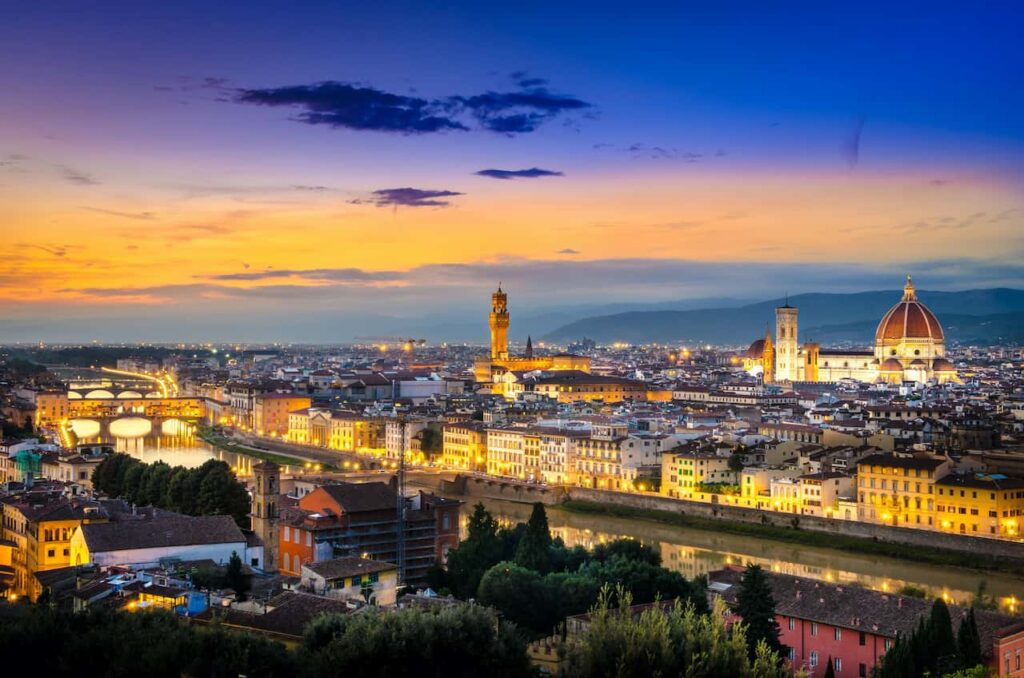
Yes, Florence in a day is ambitious. Yes, you’ll want more time. And yes, it’s completely worth doing — the day trip from Venice to Florence by high-speed train is one of the great quick escapes in European travel, two hours from one world-class city to another with minimal friction.
A well-planned day here covers real ground: Botticelli’s Birth of Venus and Primavera at the Uffizi, the Ponte Vecchio, Piazzale Michelangelo at golden hour, and a bistecca Fiorentina at lunch. The Oltrarno district, south of the river, is less crowded and more genuinely Florentine in atmosphere — good for an afternoon wander after the museums. The streets behind the Duomo reward slow walking. Even if you skip the museums entirely, Florence fills a day with ease.
Two things are non-negotiable: take the earliest train (departures begin around 6 AM, putting you in Florence by 8:30 AM), and book Uffizi and Accademia tickets months in advance. They sell out. In summer, especially, showing up on the day is not a realistic plan.
For a complete breakdown of what to do with 12 hours in the city, my one day in Florence guide maps everything out in a workable sequence.
A Venice to Florence day trip also works in reverse: Florence-based travelers frequently make the same journey in the other direction.
Getting there: High-speed Frecciarossa from Venice Santa Lucia to Florence Santa Maria Novella. About 2 hours. Book tickets in advance for better fares.
Using Florence as a base instead? If you’re spending more time in Tuscany, Florence itself makes a superb launch pad for excursions. My guide to the best day trips from Florence covers Siena, Cinque Terre, Pisa, and more — many of which work equally well in the reverse direction from Venice with an overnight stop.
14. Milan — Ambitious, Demanding, and Worth Planning Properly
- Travel time: 2 hours 30 minutes by high-speed train
- Best for: Design enthusiasts, art lovers, shoppers, ambitious day-trippers
- The non-negotiable: The Last Supper requires booking 3–4 months in advance — not days, months
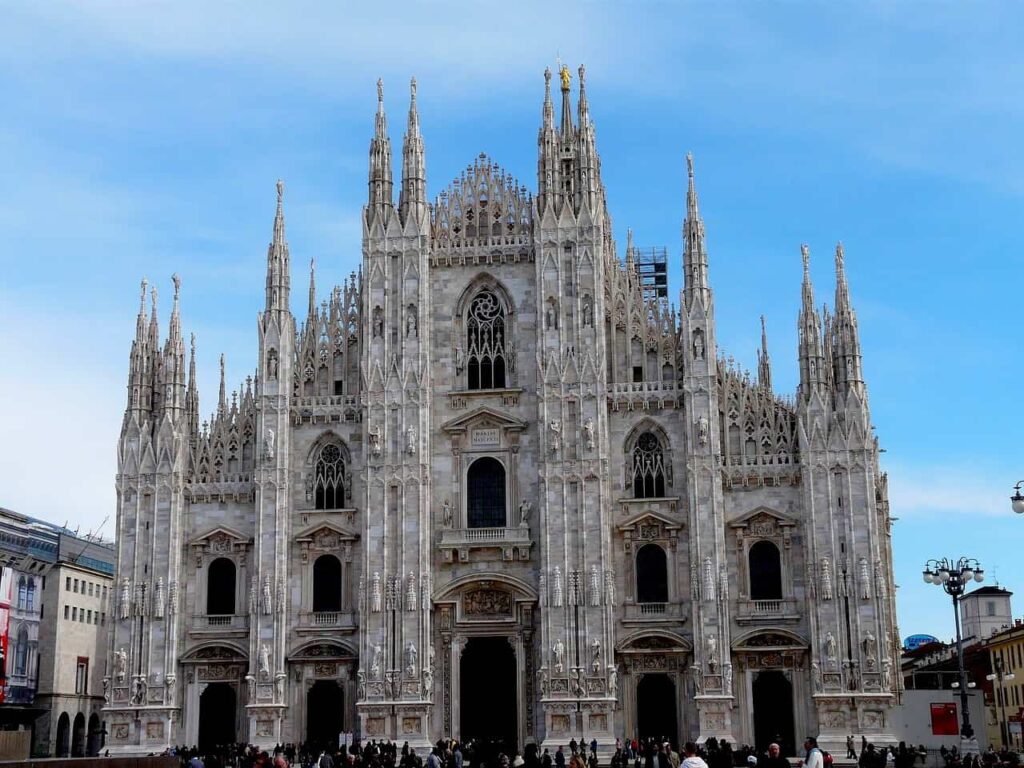
Let me be upfront: Milan is one of the most logistically demanding trips in this guide, and I wouldn’t recommend it to someone who wants a relaxed day. At 2.5 hours each way by train, you’re committing most of your waking hours to transit and sightseeing at a pace. But for travelers who have a specific reason to go — Leonardo’s Last Supper, the Duomo rooftop, the Brera art district, the fashion quarter — the day works.
The Cenacolo Vinciano is the anchor. Leonardo’s Last Supper, painted 1495–1498 on the refectory wall of Santa Maria delle Grazie, is one of the most-reproduced images in the history of art and one of the most difficult to get into: entry is timed, visits are 15 minutes, groups are capped at 25, and tickets sell out 3–4 months in advance. Not weeks — months. Book the moment you know your travel dates, and plan the rest of the day around whenever your time slot falls.
The Duomo is the other essential. Nearly 600 years in construction, 135 spires, over 3,000 exterior statues — the superlatives are all accurate. The rooftop terrace (accessible by lift) offers views of the city and, on clear days, the Alps. After that: Brera for art (the Pinacoteca di Brera is genuinely excellent), the Sforzesco Castle for history, the Quadrilatero della Moda for window shopping, and the Navigli canal district for an aperitivo before your train back.
I’ve done this day. I wouldn’t call it relaxing. I’d do it again.
Getting there: High-speed Frecciarossa from Venice Santa Lucia to Milano Centrale. About 2 hours and 30 minutes. Allow 10–15 minutes by metro from Centrale to the Duomo.
Best Nature & Mountain Day Trips from Venice
Some of the most spectacular excursions from Venice involve leaving the flatlands of the Veneto altogether and heading into the mountains or lake country that rises dramatically to the northwest.
15. The Dolomites — A Venice Day Trip That Defies Expectations
- Travel time: 2.5 hours by car or organized tour
- Best for: Outdoor enthusiasts, photographers, and anyone who wants nature at its most dramatic
- Car strongly recommended: Public transport to the Dolomites is slow and fragmented
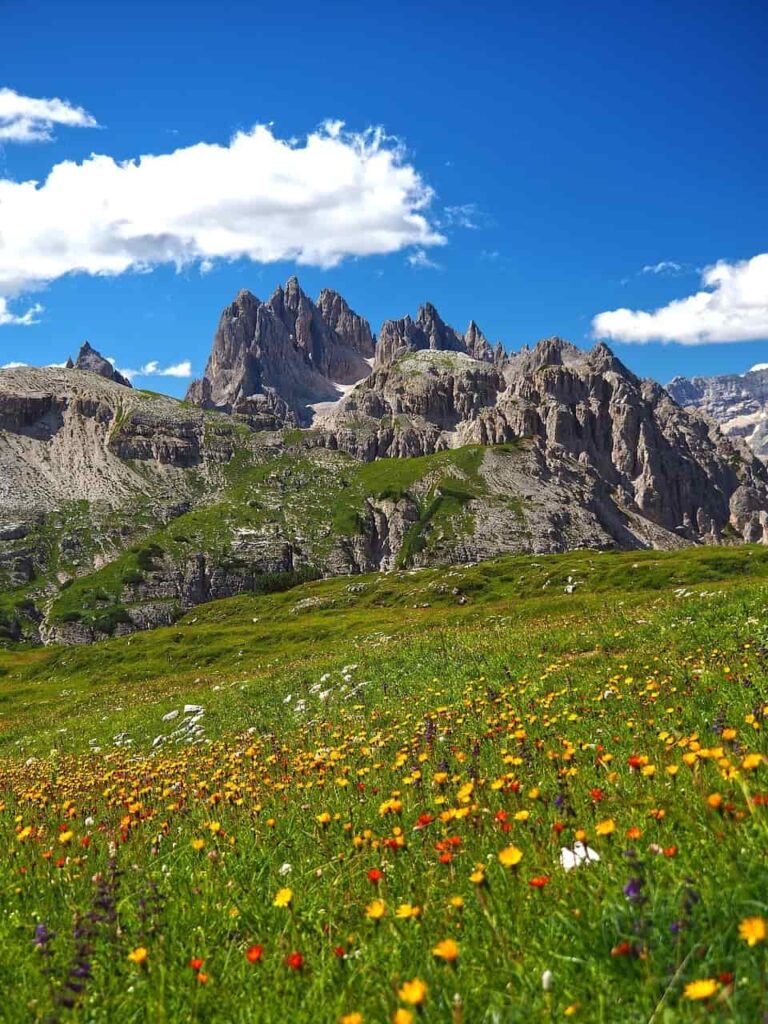
A Dolomites day trip from Venice is one of the most dramatically different experiences available to any traveler based in the city. Within two hours of leaving Venice’s waterways, you can be standing among vertical rock faces rising 3,000 meters above the valley floor, in landscapes that look borrowed from a different planet.
The Dolomites — designated a UNESCO Natural World Heritage Site in 2009 — cover a vast area across the provinces of Belluno, Bolzano, and Trento. For a day trip to the Dolomites from Venice, the most practical base areas are around Cortina d’Ampezzo and the Tre Cime di Lavaredo, reachable in roughly 2 and a half hours by car.
In summer, the hiking is world-class: the Alta Via routes, the Tre Cime loop, and the Cinque Torri area offer dramatic walking for all abilities. In winter (and late autumn/early spring), the same landscapes become snow-covered and ethereal. Cable cars at Faloria and Lagazuoi provide access to elevated viewpoints without requiring a full hike.
This is a day trip best done independently with a rental car, or through an organized Dolomites tour from Venice that handles the logistics.
Some practical notes that will save you trouble: the road to Tre Cime has a toll of around €30 per car, and the parking fills by mid-morning on weekends in summer. Pack your own lunch — the rifugio at the summit charges accordingly. Mountain weather can change in an hour; bring layers regardless of what the forecast says at sea level. And time your hike to finish around 4–5 PM, when the afternoon light turns the rock faces amber.
How to get there: A rental car is strongly recommended for the most flexibility. Alternatively, book an organized Dolomites day tour from Venice that includes transport and a guide. Public transport to the Dolomites from Venice is possible but slow and complicated.
16. Lake Garda — Italy’s Largest Lake and a Day Trip Worth Every Kilometer
- Travel time: 1.5–2 hours by car; ~2 hours by public transport via Verona
- Best for: Scenic beauty, lakeside villages, cycling, couples, families
- Best village: Sirmione for first-timers; Lazise or Bardolino for fewer crowds

Lake Garda is Italy’s largest lake, and it offers a genuinely different atmosphere from Venice: wide open water, mountain backdrop, lakeside villages that vary between touristy and completely overlooked depending on which direction you head. The eastern shore — nearest to Venice, about 1.5 hours by car — is the quieter, more local side. The western shore has Gardone Riviera and the D’Annunzio estate at Vittoriale. The northern end narrows between mountain walls near Riva del Garda, where the wind makes it a kitesurfer’s town.
Sirmione is the most visited point on the lake: a narrow peninsula jutting into the water, dominated by the 13th-century Scaligero Castle and backed by Roman-era ruins (the Grotte di Catullo) at its tip. The thermal spas and the extraordinary position of the castle make it genuinely photogenic. But if you want fewer crowds, the villages of Lazise, Bardolino, and Garda itself offer equally pretty waterfront piazzas at a slower pace.
After a couple of visits to Garda, I find myself going to Lazise instead. Medieval port, a well-preserved Scaligero castle (€8) that you can walk around, good fish restaurants on the waterfront, and the kind of Italian lunchtime atmosphere where you feel no pressure to leave. Bardolino, a few kilometers north, sits in the middle of its own wine appellation — worth a glass of the local light red with whatever you’re eating.
For a day trip from Venice to Lake Garda, the most practical approach by public transport is a bus from Verona (itself a train ride from Venice) to Peschiera del Garda or Sirmione. By car, the lake’s eastern shore is reachable in about 1.5 hours from Venice.
Getting there: By car, approximately 1.5 hours via the A4 motorway, exit Peschiera del Garda for the eastern shore. By public transport: train to Verona (1hr 10min), then bus to the lake. Alternatively, book an organized Lake Garda day trip from Venice.
Best Hidden Gems Near Venice
17. Asolo — The City of a Hundred Horizons
- Travel time: 1 hour by car; approx. 1.5 hours by bus via Treviso
- Best for: Slow travel, scenic beauty, literary atmosphere, romantic escapes
- What makes it special: Beautiful, unhurried, and almost entirely unvisited by international tourists
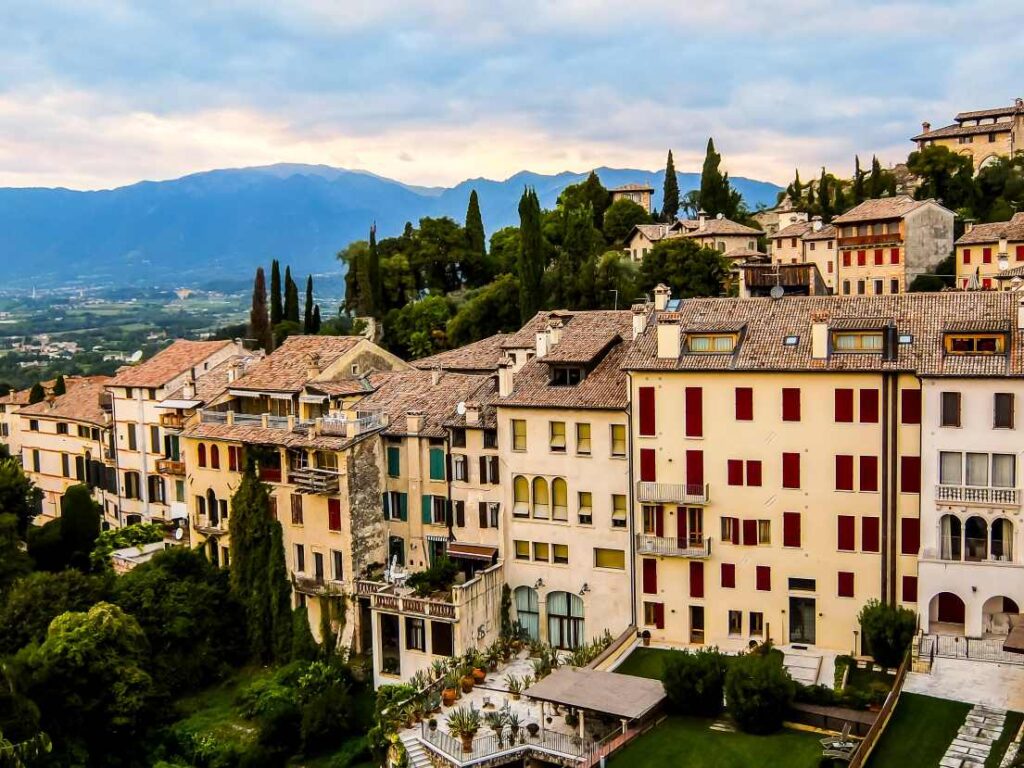
A local in Treviso told me about Asolo, with the mildly offended tone of someone who suspects the rest of the world is sleeping on something obvious. He was right. Asolo is a small hilltop town in the Treviso foothills that has been quietly collecting serious admirers for centuries — Caterina Cornaro, the Renaissance queen exiled from Cyprus, held her court here; Robert Browning wrote here; Freya Stark lived and died here. The name translates loosely as “the city of a hundred horizons,” which on a clear day you’ll understand immediately.
It’s a small town, walkable in an afternoon. A ruined medieval castle sits at the top. The main colonnaded street has cafes and antique shops. The views from the upper walls stretch to the Dolomites on clear days. There are a few genuinely good restaurants and almost no one who is not Italian visiting on any given day.
As a side trip from Venice Italy, Asolo offers something different from the art-and-history rhythm of Padua and Verona. It’s for slow travel — the kind of afternoon where you pick a cafe terrace, order something cold, and watch the valley below go about its day.
Getting there: Best by car, about 1 hour from Venice via the A27 and SS348. Alternatively, train to Treviso (30 min), then FTV bus to Asolo (approximately 45 min more). Check bus schedules in advance — frequency is limited. Alternatively, join a guided tour from Venice.
18. Prosecco Hills (Conegliano–Valdobbiadene) — Italy’s Most Scenic Wine Country
- Travel time: ~50 minutes by train to Conegliano, then local transport
- Best for: Wine lovers, cyclists, scenic landscapes, Italian food culture
- UNESCO status: Prosecco Hills added to the World Heritage List in 2019
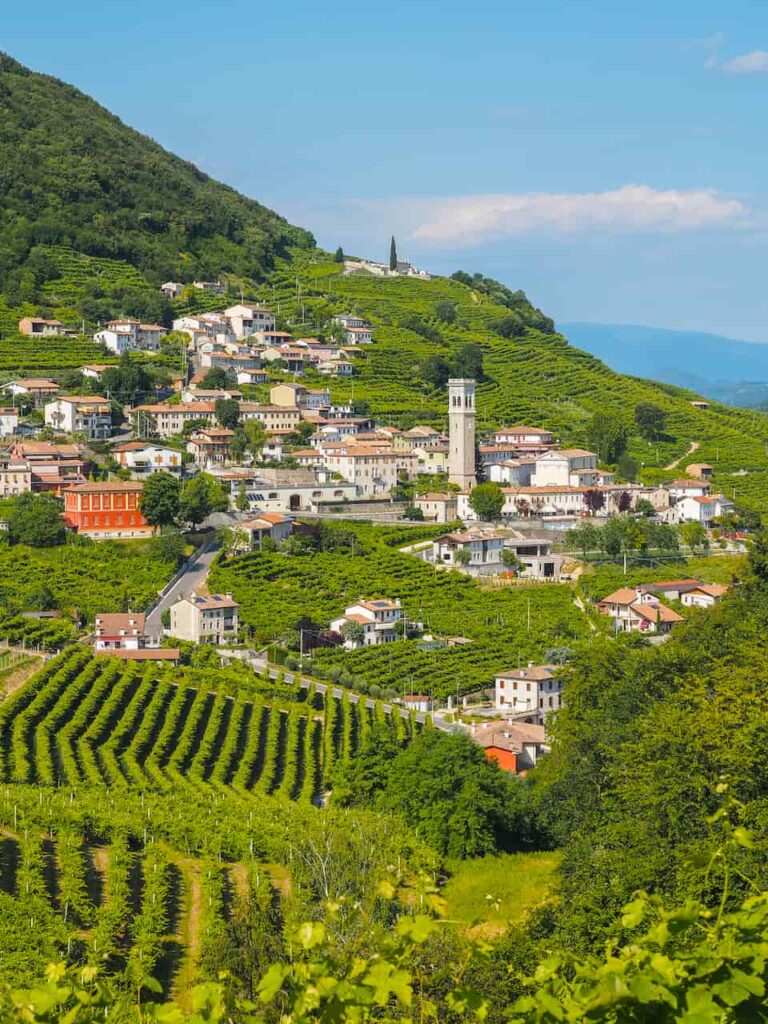
The Conegliano–Valdobbiadene Prosecco Hills were added to UNESCO’s World Heritage List in 2019, and the landscape earns it: steep vineyard terraces cascade down hillsides above small medieval villages, the whole scene almost absurdly picturesque in the way that serious wine country sometimes is.
This is where Prosecco Superiore DOCG is made — a meaningfully different product from the Prosecco DOC you’ll find in supermarkets across the world. The Strada del Prosecco runs from Conegliano to Valdobbiadene through a sequence of hill towns, cantinas, and viewpoints. Most producers welcome visitors for tastings without much formality, often with salumi and local cheese, at prices that make Venice’s spritz economy look absurd.
Worth knowing: a lot of the Prosecco served in Venice is the industrial DOC variety produced across a much wider area. In the cantinas up in these hills, you’re drinking the original — and you can taste the difference. This works well as a weekend trip from Venice if you add a night in Treviso or Asolo.
Getting there: Regional train from Venice Santa Lucia to Conegliano, about 50 minutes. From there, a rental bike, taxi, or organized wine tour gives you access to the hillside cantinas. A rental car offers the most flexibility. A guided day tour from Venice is also an option.
Longer Day Trips Worth Taking from Venice
19. Ravenna — UNESCO Mosaics and a City That Astonishes
- Travel time: ~2 hours 45 minutes by train (usually with one connection)
- Best for: Art lovers, Byzantine history, travelers seeking the genuinely unexpected
- On arrival: Buy the combination mosaic ticket (~€12) — covers everything, saves real money
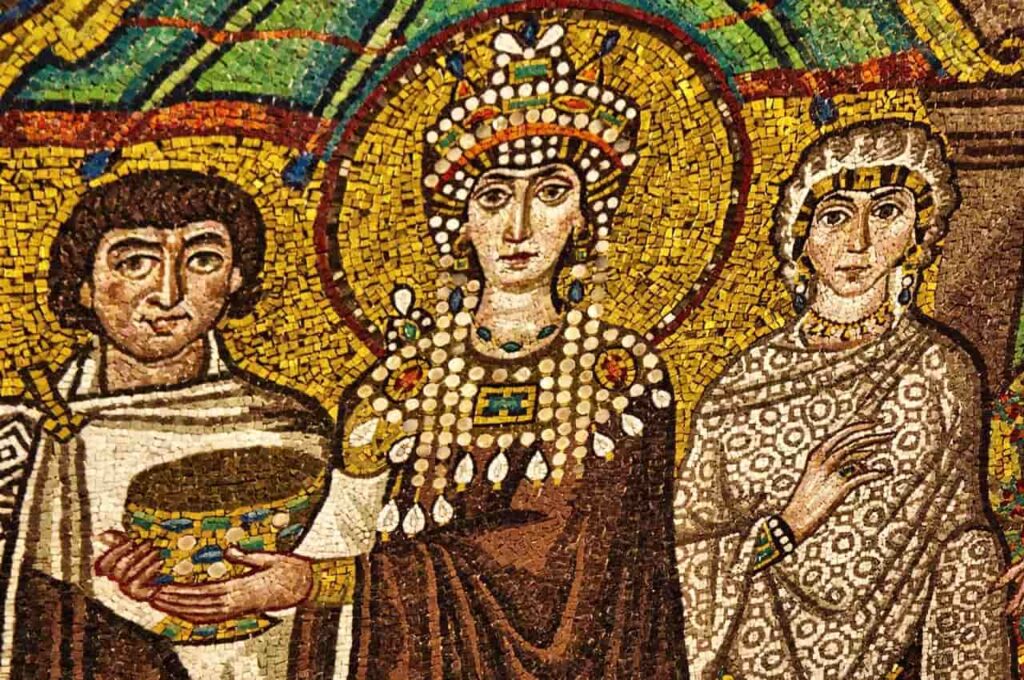
Nobody expects Ravenna. You arrive expecting a provincial city and find yourself inside some of the most stunning interiors in Europe. The Byzantine mosaics here — spread across eight UNESCO World Heritage Sites within walking distance of each other — have been sitting in their churches and mausoleums for 1,500 years, and the gold and lapis tesserae are still as brilliant as anything made yesterday.
The Mausoleum of Galla Placidia is the one that tends to stop people cold. It’s small, low, and unassuming from the outside — then you walk in, and the ceiling opens into deep blue studded with stars and a gold-haloed Christ, surrounded by mosaics so precisely detailed that individual faces still communicate distinct personalities after fifteen centuries. The Basilica of San Vitale is larger and more formally grand. The Baptistery of Neon is older still. Each one is a complete experience.
Ravenna was the capital of the Western Roman Empire in its final decades, then the Ostrogoth Kingdom, then the seat of Byzantine power in Italy — a sequence that explains why the city’s art spans several empires and traditions. Dante spent his last years here in exile and is buried near the Franciscan church; the inscription above the door requests that Florence return his remains. Florence has declined for seven centuries.
Ravenna requires planning as a day trip from Venice Italy: the journey involves a change, usually at Ferrara or Bologna, but the trains are convenient, and the journey is straightforward. Most travelers find the day completely worth the logistics.
Getting there: Train from Venice Santa Lucia, changing at Ferrara or Bologna. The total journey is about 2 hours and 45 minutes, depending on connection timing. Check Trenitalia.
How to Choose the Right Day Trip from Venice
With so many excellent places to visit from Venice, the right choice depends on what you’re looking for:
- You want no logistics at all: Lido (10 min) or Burano + Murano by vaporetto. Included in the transport pass, no booking required for most.
- You want history and world-class art: Padua (fastest, with Giotto’s Scrovegni), Verona (most dramatic setting), or Ravenna (most unique for mosaics).
- You want real, unperformed Italian life: Chioggia for a working fishing port. Treviso for a proper Veneto city. Ferrara for the Renaissance without the queues.
- You want nature at its most dramatic: the Dolomites for mountains. Lake Garda for lakeside beauty and villages.
- You want great food above everything: Bologna, full stop. Nothing else in northern Italy competes.
- You want a major art city: Florence. Accept the two-hour train, pre-book everything, and take the early departure.
- You want fashion, design, and Leonardo: Milan. Plan the Last Supper ticket months ahead.
- You want something nobody else is doing: Chioggia on a market morning, Asolo for a slow afternoon, Prosecco Hills for a cantina lunch.
For trips around Venice that maximize variety, a well-planned week might combine morning lagoon trips with afternoon or full-day mainland excursions by train — covering enormous ground while always returning to the unique pleasure of sleeping in Venice. If you’re working out how to structure your first 24 hours in the city before heading out, our one day in Venice guide has a tight, tested itinerary that covers the essential highlights without wasting a step.
Best Guided Tours from Venice
Some of the best day tours from Venice are available as guided excursions if you prefer to skip the logistics:
- Burano and Murano Lagoon Islands Boat Tour — the classic introduction to the Venice Lagoon
- Venice to the Dolomites Day Trip — transport included, ideal if you don’t want to rent a car
- Lake Garda and Verona Day Tour from Venice — combines two of the region’s highlights
- Venice to Padua Mini Cruise on the Brenta Riviera — a boat journey past Venetian villas to Padua
- Venice to Florence Day Trip by Train — guided or self-guided, with museum tickets pre-booked
For independent travelers, Trenitalia (trenitalia.com) is the main Italian rail operator. Book fast-train tickets (Frecciarossa) at least a few days in advance for the best fares.
Frequently Asked Questions
What is the best day trip from Venice?
It depends on your interests. For most first-time visitors, Burano and Murano together make an effortless and beautiful half-day trip. For a full cultural day, Verona or Padua by train are the strongest choices. For something truly spectacular, a Dolomites day trip from Venice is unmatched.
What are the best day trips from Venice by train?
The easiest and most rewarding train trips from Venice include Padua (25 min), Vicenza (40 min), Verona (1hr 10min), Treviso (30 min), Bologna (1hr 25min), Florence (2hrs), and Milan (2.5hrs). All depart from Venice Santa Lucia station.
Can you do a day trip from Venice to Florence?
Yes, absolutely. The high-speed Frecciarossa covers Venice to Florence in approximately 2 hours. Take an early departure (around 6 AM), pre-book Uffizi and Accademia tickets well in advance, and return on a 7–8 PM train. It’s a long day but a genuinely rewarding one.
Can you do a day trip from Venice to the Dolomites?
Yes, though it requires an early start. The Dolomites are approximately 1.5–2 hours from Venice by car. A rental car or organized tour is the best approach. The Tre Cime di Lavaredo and Cortina d’Ampezzo areas are the most accessible highlights for a day trip.
What is the best day trip from Venice to Lake Garda?
Sirmione is the most popular destination on Lake Garda for day-trippers from Venice, known for its castle and peninsula setting. Bardolino and Lazise are quieter alternatives. Travel time is approximately 1.5 hours by car or around 2 hours by public transport via Verona.
Are there good weekend trips from Venice?
Absolutely. Bologna, Florence, Trieste, and the Prosecco Hills all make excellent weekend extensions from Venice. The Dolomites also reward a longer stay if you want to hike or ski.
Is Chioggia worth visiting from Venice?
Absolutely — and it is significantly underrated. Chioggia is a real, working Italian fishing city with canals, a morning fish market, excellent seafood restaurants at non-Venice prices, and almost no international tourism. I consider it one of the best-kept secrets in the entire Veneto. Take the bus from Piazzale Roma (about 1 hour) or the summer lagoon ferry for a genuinely memorable day.
Can you do a day trip from Venice to Milan?
Yes, though it is the most logistically demanding trip in this guide. The high-speed train takes approximately 2 hours and 30 minutes. The Last Supper (Cenacolo Vinciano) requires booking 3–4 months in advance — this is not an exaggeration. If you book the ticket and take an early train, Milan in a day is achievable and worthwhile.
Final Thoughts
Venice is extraordinary, and it deserves every day you give it. But the city around Venice — and beyond — is equally extraordinary, and far too good to miss.
Whether you spend a morning on the colorful canals of Burano, a morning at Chioggia’s fish market, an afternoon among Palladio’s masterpieces in Vicenza, a full day chasing Romeo and Juliet through Verona, a breathless sunrise at the Tre Cime di Lavaredo, or two hours standing in front of Leonardo’s Last Supper in Milan — the best day trips from Venice add entire new dimensions to your Italian experience.
The trains run often. The ferries are frequent. The roads lead somewhere worth going.
All you need to do is decide where to start.
Have you taken any of these day trips from Venice? Which was your favorite? Leave a comment below — I’d love to hear about your experience.
🔗 More Venice Travel Guides
If you’re planning a wider Italian trip, you might also enjoy:
- 👉 One Day in Venice Itinerary — the complete 24-hour route through Venice’s iconic sights and hidden neighborhoods
- 👉 Two Days in Venice Itinerary — how to spend 48 hours in Venice, including a lagoon island afternoon with Burano and Murano
- 👉 Best Things to Do in Venice — the complete guide to Venice’s top attractions, hidden gems, and local experiences
- 👉 Venice Food Guide — what to eat, where to eat it, and which dishes are worth traveling for
- 👉 Best Places to Stay in Venice — recommendations by neighborhood and budget
- 👉 Bologna Travel Guide — everything you need to know about visiting Italy’s food capital, from what to eat to where to stay