Where to Stay in Tuscany: Best Areas, Towns & Hotels

Tuscany is one of those places that quietly stays with you long after the trip ends. Maybe it’s the golden vineyards rolling across the hills, the cypress-lined roads, the Renaissance cities, or the way a simple dinner somehow turns into a three-hour celebration of wine, olive oil, and conversation. Whatever it is, Tuscany has a way of making travelers slow down and truly experience Italy.
Working as a travel writer has allowed me to return to Tuscany many times over the years. One of the biggest advantages of my work is having the flexibility to explore places deeply, return in different seasons, and help readers based on actual experiences rather than surface-level recommendations. Tuscany is one of the destinations I keep returning to because every visit reveals another layer — a quieter village, a family-run winery, a hidden agriturismo, or a hilltop sunset that feels unreal.
If you’re wondering where to stay in Tuscany, the answer really depends on the kind of trip you want. Tuscany is incredibly diverse. You can base yourself in Florence for museums and easy train connections, stay among vineyards in Chianti, relax in Val d’Orcia’s postcard-perfect countryside, or choose a coastal town for beaches and seafood.
If you’re planning your first Tuscany itinerary, Florence is usually the best base for first-time visitors. See my guides to the best things to do in Florence, how to spend one day in Florence or 2 days in Florence, and the best day trips from Florence.
If you’re more interested in Tuscany’s countryside and wine regions, check out my Val d’Orcia travel guide, Montepulciano travel guide, and Pienza travel guide before choosing a base. These smaller towns offer a completely different Tuscany experience focused on vineyards, scenic drives, wine tastings, and slower travel.
Food lovers should also read my Florence food guide and guide to traditional Tuscan food, especially if you want to experience regional specialties beyond the typical tourist restaurants.
Other helpful Tuscany guides:

📌 Table of Contents
3. How to Choose the Best Base in Tuscany
5. Understanding Tuscany’s Main Regions
6. Best Places to Stay in Tuscany Without a Car
7. Best Tuscany Countryside Areas
8. Best Wine Regions to Stay in Tuscany
9. Best Beach Areas in Tuscany
10. Best Hill Towns in Tuscany
11. Best Cities to Stay in Tuscany
Best Places to Stay in Tuscany at a Glance
- First-time visitors → Florence
- Wine lovers → Chianti
- Couples → Val d’Orcia
- Without a car → Florence or Siena
- Beaches → Viareggio or Maremma
- Luxury → Montalcino
- Budget → Pisa or Arezzo
Tuscany Map: Best Areas & Towns Explained

Tuscany is larger and more diverse than many travelers expect.
Florence and Siena work well for cultural trips and train travel, while Chianti and Val d’Orcia are ideal for countryside stays, wine tasting, and scenic drives. Coastal areas like Maremma are best for beaches and slower summer escapes.
How to Choose the Best Base in Tuscany

Choosing the best place to stay in Tuscany can honestly shape your entire experience. Tuscany may look compact on a map, but distances between hill towns, wineries, countryside estates, and coastal areas can take longer than expected. Some travelers dream of waking up among vineyards, while others want lively piazzas, museums, and restaurants within walking distance.
The key is understanding what kind of Tuscany experience you truly want. Tuscany can be romantic, luxurious, rustic, budget-friendly, family-oriented, wine-focused, or centered around history and art.
Before booking, consider:
- Will you rent a car?
- How many days do you have?
- Do you prefer cities or the countryside?
- Is this a cultural, wine, or relaxation trip?
- What season are you visiting?
The best towns in Tuscany to stay in are very different depending on your travel style. A honeymoon in Val d’Orcia feels completely different from a culture-focused city break in Florence.
1. First Time in Tuscany
If it’s your first trip, Florence is usually the easiest and most practical base. The city combines world-famous museums, beautiful architecture, excellent food, and strong train connections to other Tuscan destinations.
For first-time visitors, Florence works especially well because:
- you can explore Tuscany without a car
- there are easy day trips to Siena, Pisa, Lucca, and San Gimignano
- accommodation options fit every budget
- the city offers incredible restaurants and nightlife
That said, if your dream Tuscany involves vineyards and rolling hills, consider splitting your stay between Florence and the countryside. A few days in Florence followed by several nights in Chianti or Val d’Orcia creates a perfect balance.
2. How Many Days to Spend
The answer to how long to stay in Tuscany depends on your travel style, but ideally, you should spend at least 5–7 days here. Tuscany is not a destination to rush.
- 2–3 days: Base yourself in Florence
- 4–5 days: Split between Florence and the countryside
- 1 week: Florence + Chianti or Val d’Orcia
- 10+ days: Add coastal Tuscany or smaller hill towns
If you only have a short trip, choosing one strategic base matters a lot. Florence is usually best for shorter stays because transportation is easy.
Longer trips allow you to slow down and experience what makes Tuscany magical — winery lunches, village strolls, thermal spas, and scenic drives.
3. Choosing Based on Travel Style
This is probably the most important question when deciding where to stay in Tuscany, Italy.
Different regions suit different travelers:
- Countryside retreat: Val d’Orcia
- Wine tasting: Chianti, Montalcino or Montepulciano
- Historic cities: Florence or Siena
- Hilltop towns: San Gimignano or Montepulciano
- Beach vacation: Viareggio or Maremma Coast
- Luxury resorts: Val d’Orcia and Chianti
- Easy day trips: Florence
- Family travel: Lucca countryside
- Romantic honeymoon: Pienza or Montalcino
Tuscany rewards slow travel. Many people underestimate how enjoyable it is to stay in one beautiful place and experience a simple daily life.
4. Do You Need a Car?

Having a car changes everything in Tuscany. If you want to stay in the Tuscany countryside, a rental car is almost essential. Many of the most beautiful agriturismos, winery stays, and luxury resorts are located in remote rural settings.
Without a car, your best options are:
- Florence
- Siena
- Pisa
- Lucca
With a car, you unlock:
- Chianti wine roads
- hidden villages
- countryside villas
- thermal spas
- scenic drives
- boutique wineries
Driving in Tuscany is usually enjoyable outside major cities. Just avoid driving inside historic centers where ZTL restrictions apply. I always book rental cars online in advance through Discover Cars with no hidden costs and free cancellation.
5. Best Areas for Couples, Families & Groups

The best area to stay in Tuscany depends heavily on who you’re traveling with.
- For couples and honeymoons: Val d’Orcia, Pienza, Montalcino, and luxury vineyard resorts
- For families: Lucca countryside, farmhouse stays, and agriturismos with pools
- For groups of friends: Chianti villas, wine estates, and larger countryside homes
- For solo travelers: Florence, Siena, and Lucca
Many honeymoon hotels in Tuscany offer spa experiences, wine tastings, cooking classes, and breathtaking countryside views.
6. Luxury vs Budget Travel

Tuscany can absolutely be luxurious, but it can also be surprisingly affordable.
- Luxury travelers should consider: 5-star hotels in the Tuscany countryside (like Borgo San Felice Resort), winery resorts, spa retreats, and restored villas.
- Budget travelers can save money by staying outside Florence, booking agriturismos, visiting in shoulder season, and choosing smaller towns.
Cheap hotels in Tuscany do exist, especially around Pisa, Arezzo, and lesser-known countryside areas.
7. Best Accommodation Types

One of the best parts about Tuscany is the variety of accommodations available. You can choose:
- luxury vineyard resorts
- rustic farmhouses
- boutique hotels
- medieval village stays
- countryside villas
- agriturismo experiences
- beach resorts
Agriturismos are especially popular because they combine local food, wine, nature, and authentic hospitality. Many produce their own olive oil and wine.
Some of the best resorts in Tuscany are hidden deep in the countryside and offer unforgettable experiences.
8. Best Time to Visit Tuscany

Tuscany changes dramatically throughout the year.
- Spring (April–June) brings green landscapes, wildflowers, and pleasant temperatures.
- Summer (July–August) means sunflower fields, festivals, hot weather, and crowded cities.
- Autumn (September–October) is a wine harvest season, ideal for wine tasting and golden vineyards.
- Winter (November–March) offers quieter cities, lower hotel prices, and a cozy atmosphere.
September and October are arguably the best months for wine lovers.
9. Where to Stay in Tuscany Based on Your Interests

This is where your itinerary matters most.
If your focus is:
- museums and Renaissance art → Florence
- wine → Chianti, Montalcino or Montepulciano
- countryside scenery → Val d’Orcia
- beaches → Viareggio or Maremma
- medieval towns → Siena area
- photography → Pienza and Val d’Orcia
- food → everywhere, honestly
The best places to stay in Tuscany Italy are usually those that align naturally with your travel priorities instead of trying to see everything too quickly.
Best Tuscany Areas by Travel Style
| Area | Best For | Need a Car? | Atmosphere |
|---|---|---|---|
| Florence | First-time visitors | No | Cultural & lively |
| Siena | Medieval charm | No | Romantic & relaxed |
| Chianti | Wine lovers | Yes | Vineyard countryside |
| Val d’Orcia | Couples & scenery | Yes | Scenic & peaceful |
| Lucca | Families & slow travel | No | Elegant & quiet |
| Viareggio | Beaches | Optional | Coastal & relaxed |
| Montalcino | Luxury wine stays | Yes | Upscale & romantic |
| Pisa | Budget travelers | No | Convenient & practical |
Understanding Tuscany’s Main Regions

Understanding Tuscany’s geography helps enormously when planning where to stay. The region is much larger and more varied than many travelers expect. Tuscany has ten provinces: Florence, Arezzo, Grosseto, Livorno, Lucca, Massa Carrara, Pisa, Pistoia, Prato, and Siena.
Coastal Tuscany feels completely different from inland wine country, while mountain villages in northern Tuscany offer another entirely different atmosphere.
1. Historic Cities in Tuscany
(Florence Area, Siena Area, Pisa & Lucca)
Historic cities are the best places to stay in Tuscany without a car. They combine culture, restaurants, transportation, and walkability.
- Florence is ideal for first-time visitors, art lovers, train travel, and nightlife.
- Siena feels smaller and more atmospheric with stunning medieval charm.
- Lucca offers relaxed elegance, bike-friendly streets, and fewer crowds.
- Pisa works well for budget travelers and airport convenience.
Pro Tip: Stay at least 3 nights in Florence if it’s your first Tuscany trip.
2. Tuscany Wine & Hill Country
(Chianti, Val d’Orcia, Val di Chiana)
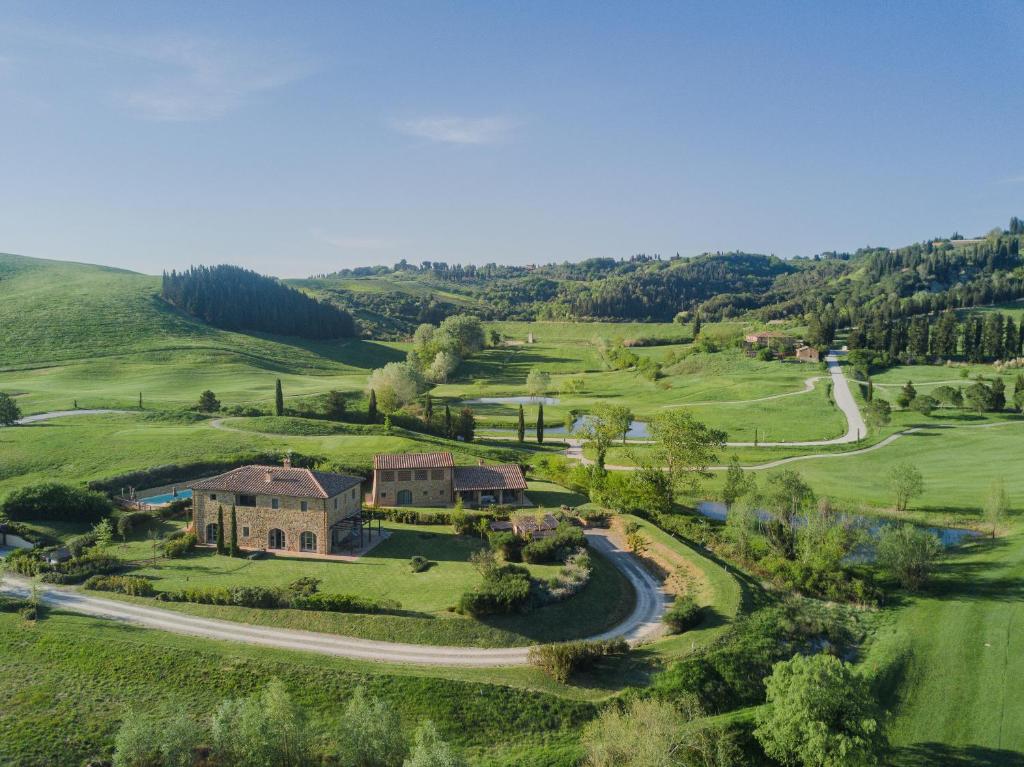
This is the Tuscany most travelers dream about. Rolling vineyards, olive groves, stone farmhouses, medieval villages, and scenic drives define these areas.
- Chianti, set between Florence to the north and Siena to the south, is best for: wine tasting, vineyard stays, and easy access from Florence.
- Val d’Orcia, situated south of Siena in southern Tuscany, is ideal for romantic escapes, luxury stays, and iconic scenery.
- Val di Chiana, set between southern Tuscany and Umbria, feels quieter and more authentic.
These areas are among the best places to stay in the Tuscany countryside.
3. The Tuscany Coast & Islands
(Etruscan Coast, Maremma, Tuscan Archipelago)
Many travelers forget that Tuscany has beautiful beaches. The Maremma region offers quieter coastal towns, nature reserves, seafood, and beach resorts. This area feels less touristy and more relaxed than other parts of Italy.
4. Northern Tuscany & Mountains
(Garfagnana, Lunigiana)
Northern Tuscany is underrated and perfect for outdoor lovers. Expect: hiking, castles, forests, traditional villages, and fewer crowds. These sub-regions are ideal for travelers seeking authentic experiences beyond classic Tuscany itineraries.
Best Places to Stay in Tuscany Without a Car
Traveling in Tuscany without a car is absolutely possible if you choose the right base.
Best Towns in Tuscany Without a Car:
1. Florence

Florence is hands down the best city to stay in Tuscany without a car. High-speed trains, Florence is the best base in Tuscany for first-time visitors, especially if you don’t plan to rent a car. The city combines world-famous museums, excellent restaurants, and easy train access to Siena, Pisa, Lucca, and other Tuscan destinations.
It’s ideal for shorter Tuscany itineraries focused on culture, food, and day trips rather than countryside relaxation.
Florence Hotels:
- The St. Regis Florence — an iconic luxury hotel overlooking the Arno River.
- Villa Cora — romantic villa hotel with gardens and pool just outside the historic center.
- Golden Tower Hotel & Spa — boutique luxury stay near Piazza della Repubblica.
- Hotel L’Orologio Firenze — stylish mid-range hotel near Santa Maria Novella station.
| Hotel | Best For | Style | Budget |
|---|---|---|---|
| The St. Regis Florence | Luxury travelers | Historic luxury | $$$$ |
| Villa Cora | Couples & honeymoon | Romantic villa | $$$$ |
| Hotel L’Orologio Firenze | Mid-range stay | Boutique modern | $$$ |
| Hotel Dali | Budget travelers | Simple local stay | $ |
Pro Tip: Stay near Santa Maria Novella station if you plan multiple Tuscany day trips.
2. Siena

Siena offers a slower, more atmospheric experience than Florence while still being accessible by public transportation.
It is the best choice for medieval charm, romantic trips, and quieter stays. Siena is beautiful, but it can feel less convenient for travelers planning multiple train day trips compared to Florence.
Recommended accommodations:
- historic boutique hotels
- countryside agriturismos nearby
- family-run guesthouses
Siena offers everything from elegant historic palace hotels inside the medieval center to charming boutique stays with panoramic countryside views.
Siena Hotels:
- Grand Hotel Continental Siena — luxury historic hotel inside Siena’s old town.
- Hotel Athena — excellent mid-range option with panoramic city views.
- Palazzo Ravizza — charming boutique stay with garden terraces.
| Hotel | Best For | Style | Budget |
|---|---|---|---|
| Grand Hotel Continental Siena | Luxury travelers | Historic palace hotel | $$$$ |
| Hotel Athena | Scenic city views | Comfortable mid-range hotel | $$$ |
| Palazzo Ravizza | Couples & romantic stays | Boutique historic residence | $$$ |
| Hotel Italia Siena | Budget-conscious travelers | Simple modern stay | $$ |
Pro Tip: Siena works beautifully as a base for southern Tuscany tours. Read more about it in my Things to do in Siena guide.
Best Tuscany Countryside Areas
Nothing feels more Tuscan than waking up among vineyards and olive groves.
1. Chianti
(Castellina, Radda, Gaiole, Barberino, Tavarnelle, Castelnuovo Berardenga and San Gusmè)

Chianti is Tuscany’s classic wine region, located between Florence and Siena. Expect vineyard estates, olive groves, scenic drives, and some of the best wine hotels in Italy.
I highly recommend renting a car since many wineries and countryside stays (like Capannelle Wine Resort and Badia a Coltibuono Wine Resort) are spread across rural villages and hills.
Chianti Hotels:
- Borgo San Felice Resort Relais & Chateaux — one of the best luxury resorts in Tuscany with vineyard views, a Michelin-starred restaurant, and a peaceful countryside setting.
- Castello di Fonterutoli Wine Resort — perfect for wine lovers wanting an authentic Chianti winery stay.
- Relais Borgo Scopeto — elegant countryside hotel near Siena with beautiful pools and panoramic views.
- Farmhouse Colle — charming agriturismo ideal for travelers wanting a quieter and more affordable Tuscany countryside stay.
| Hotel | Best For | Atmosphere | Budget |
|---|---|---|---|
| Borgo San Felice | Luxury wine escape | Elegant resort | $$$$ |
| Castello di Fonterutoli | Winery stays | Authentic Chianti | $$$ |
| Relais Borgo Scopeto | Couples | Scenic countryside | $$$ |
| Farmhouse Colle | Budget countryside stay | Rustic agriturismo | $$ |
Pro Tip: Staying directly at a winery makes evening tastings and countryside dinners much more enjoyable.
2. Val d’Orcia
(Pienza, Montalcino, Monticchiello, San Quirico d’Orcia, Bagno Vignoni, Montepulciano)

Val d’Orcia is the Tuscany most travelers imagine — rolling hills, cypress roads, vineyard estates, and hill towns like Pienza and Montalcino. It’s one of the best areas in Tuscany for couples, wine lovers, and slower countryside travel.
The region is best experienced with a car, especially if you want to explore scenic drives and smaller villages.
Recommended Hotels in Val d’Orcia
- Rosewood Castiglion del Bosco — one of the most luxurious countryside stays in Tuscany with a winery, villas, and breathtaking Val d’Orcia scenery.
- Monteverdi Tuscany — a romantic luxury hotel in a beautifully restored medieval hamlet.
- Le Buche Wine Resort & Spa — excellent for wine tasting and spa-focused countryside escapes.
- Abbadia Wine Relais — an intimate boutique wine stay near Montepulciano, perfect for couples.
| Hotel | Best For | Experience | Budget |
|---|---|---|---|
| Rosewood Castiglion del Bosco | Luxury couples | Winery resort | $$$$ |
| Monteverdi Tuscany | Romantic stays | Boutique village | $$$$ |
| Le Buche Wine Resort | Wine lovers | Spa & vineyard | $$$ |
| Abbadia Wine Relais | Quiet countryside | Boutique agriturismo | $$ |
Pro Tip: Sunrise drives around Val d’Orcia are unforgettable for photographers.
Best Wine Regions to Stay in Tuscany
Wine lovers are spoiled for choice in Tuscany.
1. Chianti

Chianti is the classic Tuscany wine destination. It is for Chianti Classico tastings, winery stays, and scenic vineyard drives. Many wineries offer cellar tours, cooking classes, and wine-paired dinners.
Many travelers visit Chianti on day trips from Florence, but staying overnight allows you to experience the vineyards and wineries without rushing
2. Montalcino & Montepulciano
(Brunello di Montalcino & Vino Nobile di Montepulciano)

For serious wine lovers, this area is extraordinary. Montalcino is famous for Brunello wine, while Montepulciano produces Vino Nobile. Best stays in this area include: vineyard villas, luxury wine resorts, and boutique countryside hotels.
Pro Tip: Book winery visits well in advance during harvest season.
Val d’Orcia is one of Tuscany’s most scenic regions, especially around Pienza, Montalcino, and Bagno Vignoni. I cover the best scenic stops, viewpoints, and drives in my full Val d’Orcia travel guide.
Best Beach Areas in Tuscany
If you want beaches mixed with Tuscany charm, the Maremma coast and Viareggio are wonderful options. These areas are the best for summer holidays, seafood lovers, family trips, and a relaxed atmosphere, especially if you stay in beachfront hotels and wellness resorts.
1. Viareggio

Viareggio is one of the best places to stay in Tuscany for travelers wanting a classic Italian beach holiday combined with elegant seaside charm. Known for its long sandy beaches, Liberty-style architecture, and lively promenade, Viareggio offers a completely different atmosphere from Tuscany’s hill towns and wine regions. During summer, the town feels vibrant and relaxed, with beach clubs, seafood restaurants, and beautiful sunset walks along the coast.
Viareggio is great for:
- beach vacations
- families
- summer trips
- seakers of a coastal Tuscany experience
Viareggio also works well as a base for visiting Lucca, Pisa, Forte dei Marmi, and Cinque Terre.
Recommended Hotels in Viareggio:
- Grand Hotel Principe di Piemonte — iconic beachfront luxury hotel with elegant interiors, rooftop pool, and sea views.
- Palace Hotel Viareggio — classic seafront hotel with Art Nouveau charm and excellent beach access.
- Hotel Residence Esplanade — family-friendly stay ideal for longer beach holidays in Tuscany.
2. Forte dei Marmi
Forte dei Marmi is Tuscany’s most glamorous beach destination, known for luxury beach clubs, designer shopping, upscale restaurants, and elegant villas hidden among pine trees. Popular with Italian families and international travelers, the town combines sophisticated coastal charm with a relaxed summer atmosphere. Accommodation options include luxury hotels, boutique villas, wellness resorts, and elegant seaside stays.
The location is ideal for exploring northern Tuscany, Lucca, Pisa, and the nearby marble towns of Carrara.
Pro Tip: Book hotels well in advance during summer, especially July and August, when Forte dei Marmi becomes one of Italy’s most sought-after coastal destinations.
3. Castiglione della Pescaia
Castiglione della Pescaia is one of the most beautiful seaside towns in Tuscany, offering sandy beaches, crystal-clear water, and a charming medieval center overlooking the coast. Compared to Tuscany’s busier beach destinations, it feels more authentic, relaxed, and connected to nature. Hotels here include boutique beach hotels, countryside agriturismos near the sea, and family-friendly resorts.
Its location also makes it ideal for exploring the Maremma region, natural parks, and nearby wineries.
Pro Tip: Combine beach days with wine tasting and countryside drives through the beautiful Maremma area.
4. Argentario
Monte Argentario offers one of the most scenic coastal experiences in Tuscany, with dramatic cliffs, hidden coves, luxury resorts, and crystal-clear Mediterranean water. Unlike Tuscany’s flatter beach towns, Argentario feels wild, elegant, and more exclusive.
Monte Argentario is best for:
- luxury coastal stays
- couples
- boating trips
- scenic seaside escapes
Accommodation in Argentario ranges from boutique luxury hotels and cliffside resorts to peaceful countryside villas overlooking the sea.
The area is also excellent for boat excursions, seafood restaurants, and exploring nearby Porto Ercole and Porto Santo Stefano.
Pro Tip: Argentario is especially beautiful during shoulder season when the coastline feels quieter, and temperatures are still warm.
Recommended Hotels on the Tuscany Coast
- Conti di San Bonifacio Wine Resort — a romantic wine resort in the Maremma countryside near the coast.
- Villa Acquaviva Wine Resort — relaxed countryside wine stay near Saturnia and Tuscany beaches.
- Relais Sant’Elena — elegant boutique countryside retreat close to the Tuscan coast.
- Grand Hotel Principe di Piemonte — classic beachfront luxury hotel in Viareggio.
| Hotel | Best For | Style | Budget |
|---|---|---|---|
| Il Pellicano | Luxury coastal escape | Iconic cliffside resort | $$$$ |
| Grand Hotel Principe di Piemonte | Viareggio beach stay | Elegant seafront hotel | $$$$ |
| Relais Sant’Elena | Quiet countryside near coast | Boutique retreat | $$$ |
| Conti di San Bonifacio Wine Resort | Couples & wine lovers | Romantic wine resort | $$$ |
Best Hill Towns in Tuscany
Some of the best small towns to stay in Tuscany are perched dramatically on hills surrounded by vineyards. These towns are ideal for photography, slow travel, romantic escapes, and classic Tuscan atmosphere. Top choices include:
1. San Gimignano

San Gimignano is one of the most iconic hilltop towns in Tuscany, famous for its medieval towers, cobbled streets, and sweeping countryside views. Staying here feels like stepping into another era, especially in the evening after day-trippers leave and the town becomes wonderfully peaceful. It’s one of the best small towns to stay in Tuscany for travelers who want a romantic atmosphere combined with easy access to Chianti and Siena.
San Gimignano is best for:
- first-time Tuscany visitors
- photographers
- couples
- medieval atmosphere
San Gimignano is magical in the evenings, but daytime crowds can be intense between late morning and afternoon, especially from April through October.
Nearby attractions include Volterra, Chianti wine country, Siena, and Monteriggioni.
Accommodation near San Gimignano ranges from historic boutique hotels inside the medieval town to beautiful vineyard agriturismos in the surrounding countryside.
Recommended Hotels Near San Gimignano
- Agriturismo Poggiacolle — affordable countryside stay with vineyard views close to San Gimignano.
- Agriturismo Poderi Arcangelo — classic Tuscan farmhouse experience with pools and rolling hill views.
- Borgo Pignano — one of Tuscany’s most beautiful luxury countryside estates near Volterra and San Gimignano.
| Hotel | Best For | Style | Budget |
|---|---|---|---|
| Borgo Pignano | Luxury countryside stay | Elegant Tuscan estate | $$$$ |
| Agriturismo Poderi Arcangelo | Classic Tuscany experience | Rustic farmhouse stay | $$$ |
| Hotel La Cisterna | Staying inside the old town | Historic boutique hotel | $$$ |
| Agriturismo Poggiacolle | Budget countryside stay | Vineyard agriturismo | $$ |
Pro Tip: Spend at least one night inside the old town to experience San Gimignano without the daytime crowds.
2. Montepulciano

Montepulciano combines Renaissance architecture with one of Tuscany’s most famous wine traditions. Built high above the Val d’Orcia landscape, the town is filled with historic wine cellars, stone alleyways, and panoramic terraces overlooking the countryside.
Unlike some of Tuscany’s busier hill towns, evenings here feel slow and atmospheric, especially once day-trippers leave. Most stays around Montepulciano are boutique wine resorts, countryside villas, and small agriturismos surrounded by vineyards.
Montepulciano also works perfectly combined with the nearby Pienza and Val d’Orcia scenic drives. I cover both in my detailed Montepulciano travel guide.
If you’re planning winery visits, staying just outside town is often easier for parking and vineyard access.
3. Pienza

Pienza feels almost unreal at sunrise. Perched above the Val d’Orcia valley, the town is famous for quiet stone streets, panoramic viewpoints, and soft golden light that photographers love.
Despite its popularity, Pienza still feels calm compared to larger Tuscan destinations, especially in the early morning and evening. My full Pienza guide covers viewpoints, restaurants, and nearby scenic drives.
For many travelers, this is the Tuscany they imagined before arriving in Italy.
Pro Tip: Sunrise walks along Pienza’s town walls offer some of the best views in Val d’Orcia.
4. Cortona

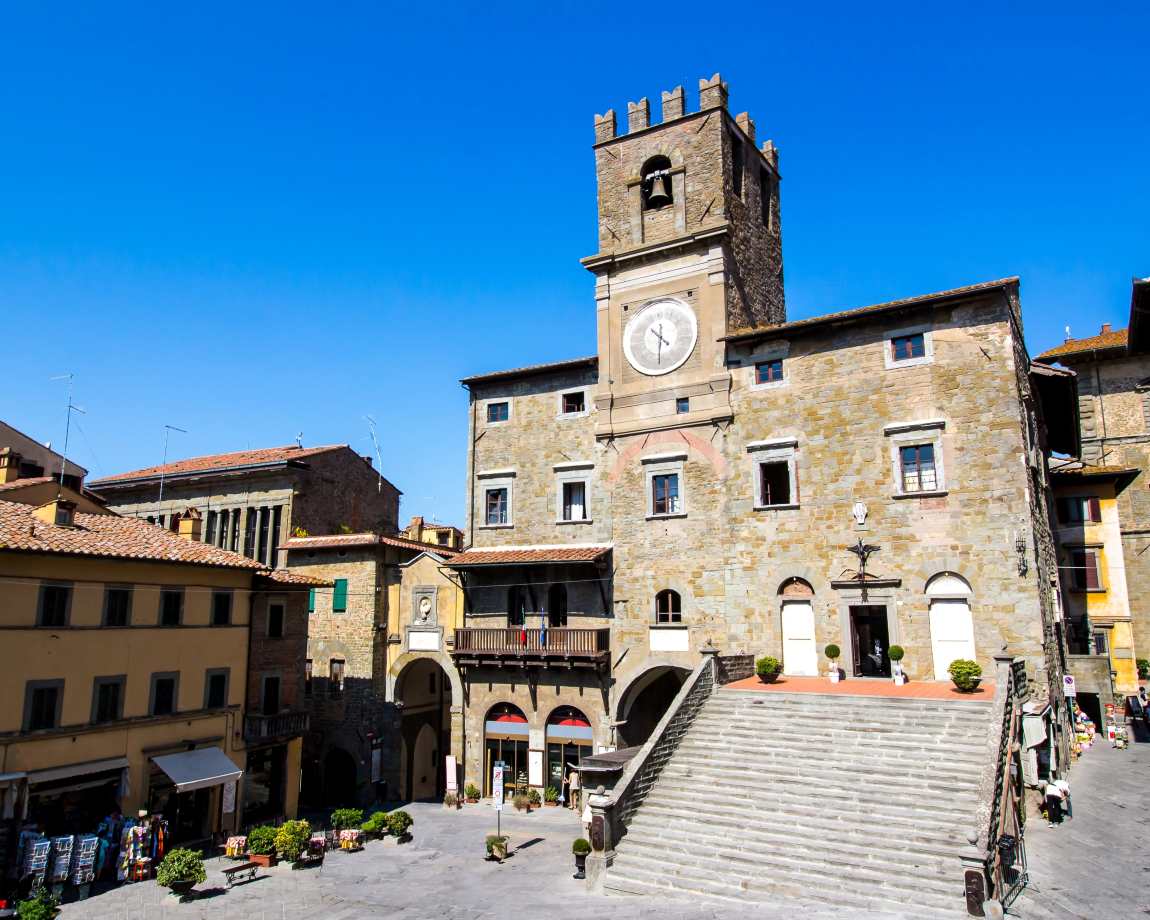
Made famous internationally by Under the Tuscan Sun, Cortona combines Tuscan charm with a slightly more local and authentic feel. If you’re planning to visit, my Cortona travel guide covers the best viewpoints, restaurants, things to do, and how to experience the town beyond the typical day-trip stops.
Cortona works particularly well for travelers combining Tuscany with nearby Umbria. Sitting above the Val di Chiana valley, the town has a quieter and more residential feel than some of Tuscany’s more tourist-heavy hill towns. Most accommodations around Cortona are countryside villas and boutique hotels with valley views.
It’s especially appealing if you prefer slower evenings, smaller crowds, and a more local atmosphere.
5. Volterra

Volterra is one of Tuscany’s most underrated hill towns. Known for its Etruscan history, stone architecture, and dramatic hilltop setting, it offers a more authentic and less touristy atmosphere compared to San Gimignano.
It is conveniently located near San Gimignano, Pisa, and the Tuscan coast, making it a good base for exploring western Tuscany.
Pro Tip: Volterra feels especially atmospheric in the evening after most day visitors leave.
6. Montalcino

Montalcino is one of Tuscany’s classic wine destinations, surrounded by the vineyards that produce the famous Brunello di Montalcino. Smaller and quieter than many Tuscan towns, it has an upscale countryside feel without losing its rustic character.
Days here revolve around long winery lunches, scenic drives through Val d’Orcia, and slow evenings with wine bars overlooking the hills. It’s an especially good choice for travelers prioritizing wine experiences, romantic countryside stays, and a more relaxed pace. Accommodation around Montalcino ranges from elegant vineyard resorts to boutique agriturismos tucked among olive groves and rolling vineyards.
Montalcino Hotels:
- Castello Banfi – Il Borgo — iconic luxury wine resort surrounded by Brunello vineyards.
- SI Montalcino Hotel & Restaurant — stylish boutique hotel with panoramic countryside views.
- Capanna Suites — an elegant wine resort with spa facilities and vineyard experiences.
If you’re visiting during September or October, reserve winery tastings well in advance since harvest season is one of the busiest times of year.
Best Cities to Stay in Tuscany
If you prefer urban energy combined with Tuscany culture, focus on Florence, Siena, Lucca, Pisa, or Arezzo. These cities offer museums, restaurants, walkability, and easier transportation.
Florence remains the best city to stay in Tuscany for first-time visitors, while Siena offers a more intimate and romantic atmosphere.
1. Florence

Florence is the cultural heart of Tuscany and the easiest base for first-time visitors. It combines Renaissance landmarks, outstanding food, excellent museums, and strong train connections across the region.
The city works especially well for shorter Tuscany itineraries, travelers without a car, and anyone planning day trips to Siena, Pisa, Lucca, or Chianti.
If it’s your first time visiting, my detailed two-day itinerary in Florence covers exactly how to plan your time, including museums, viewpoints, and food stops.
Nearby attractions include Pisa, Siena, Lucca, Chianti, and San Gimignano. Many travelers also use Florence as a base for exploring smaller Tuscan towns, especially on popular day trips from Florence to Siena, San Gimignano, and Pisa.
Recommended Hotels in Florence:
- The St. Regis Florence — an iconic luxury hotel overlooking the Arno River.
- Villa Cora — romantic villa hotel with gardens and pool just outside the historic center.
- Hotel L’Orologio Firenze — stylish mid-range hotel near Santa Maria Novella station.
Pro Tip: Stay in Centro Storico or Oltrarno for the best atmosphere and easy walking access to major attractions.
2. Siena

Siena offers a slower and more atmospheric Tuscany experience than Florence, with medieval streets, Gothic architecture, and one of Italy’s most beautiful historic squares.
Siena deserves at least a full day for exploring Piazza del Campo, Siena Cathedral, and the medieval streets around the historic center. I cover the best experiences in my complete guide to the best things to do in Siena. It’s an ideal base for travelers focused on southern Tuscany, especially Chianti, Val d’Orcia, and nearby hill towns.
Recommended Hotels in Siena:
- Grand Hotel Continental Siena — luxury historic hotel inside Siena’s old town.
- Hotel Athena — excellent mid-range option with panoramic city views.
- Palazzo Ravizza — charming boutique stay with garden terraces.
Pro Tip: Stay inside the historic center if possible — waking up in Siena before the day-trippers arrive is magical.
3. Lucca

Lucca is one of Tuscany’s most charming small cities, known for its Renaissance walls, elegant piazzas, and relaxed local atmosphere. Compared to Florence and Pisa, it feels quieter, slower, and far less crowded, making it a great choice for travelers who want a more authentic and easygoing Tuscany base.
I recommend staying in Hotel Palazzo Alexander, an elegant boutique hotel inside Lucca’s historic walls.
The city is especially appealing for families, slow travel, cycling, and travelers planning to combine Tuscany with the coast or Cinque Terre.
Pro Tip: Renting a bike and cycling along Lucca’s Renaissance walls at sunset is one of the city’s best experiences.
4. Pisa

Pisa is far more than a quick stop for the Leaning Tower. While many travelers pass through for a few hours, the city actually makes a practical and affordable base for exploring western Tuscany thanks to its airport, train connections, and more relaxed atmosphere compared to Florence.
Beyond the famous landmarks, Pisa has lively local neighborhoods, riverside walks, historic churches, and a large student population that gives the city an energetic but less touristy feel. Hotels range from affordable guesthouses and apartments to elegant boutique stays near the Arno River.
Pisa works especially well for budget-conscious travelers, short Tuscany trips, and anyone planning to combine Tuscany with Lucca, Cinque Terre, or the coast.
Pro Tip: Explore beyond the Leaning Tower area to experience Pisa’s quieter and more authentic neighborhoods.
5. Arezzo

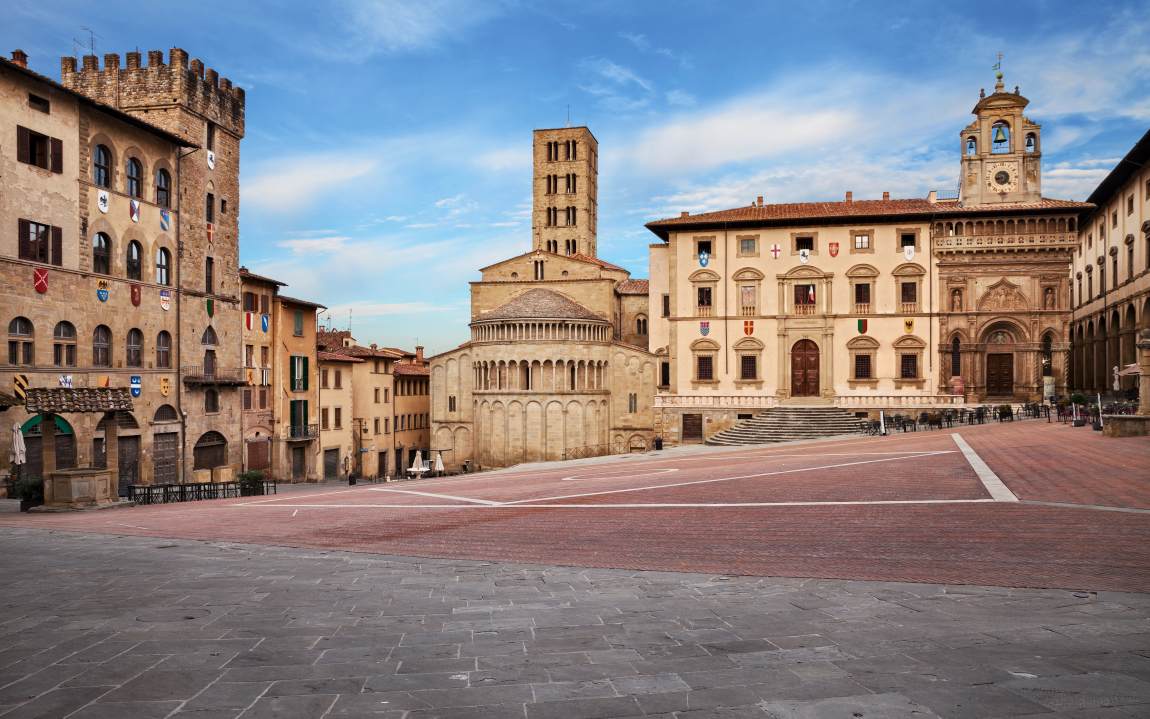
Arezzo feels noticeably more local than many of Tuscany’s better-known destinations. While cities like Florence and Siena attract larger crowds, Arezzo moves at a slower pace, with elegant piazzas, antique shops, medieval streets, and a strong everyday Tuscan atmosphere that many travelers end up loving unexpectedly.
The city is especially rewarding for repeat visitors to Tuscany, art lovers, and travelers looking to explore eastern Tuscany without the heavy tourist feel of the region’s bigger hotspots. Accommodation includes boutique hotels in historic buildings, charming B&Bs, and countryside agriturismos nearby.
Its location also makes it a convenient base for visiting Cortona, Val di Chiana, and smaller countryside villages near the Umbrian border.
Pro Tip: Visit during Arezzo’s monthly antique fair when the city becomes especially lively and atmospheric. My complete Arezzo travel guide covers the best things to do, where to stay, and how to plan your visit.
Sample Tuscany Itineraries
These sample Tuscany itinerary splits help travelers combine cities, wine regions, countryside stays, and coastal areas based on different travel styles and trip lengths.
They also connect some of Tuscany’s most rewarding destinations, including my guides to the best things to do in Florence, Val d’Orcia, Montepulciano, and the best places on the Tuscany coast.
| Trip Style | Recommended Split | Best For | Why It Works |
|---|---|---|---|
| First-Time Tuscany Trip (7 Days) | 4 nights Florence + 3 nights Chianti or Val d’Orcia | First-time visitors | Combines museums, historic cities, wine country, and scenic countryside drives. |
| Tuscany Without a Car (5 Days) | 3 nights Florence + 2 nights Siena | Train travelers | Easy public transportation, walkable cities, and classic Tuscany experiences without driving. |
| Romantic Tuscany Honeymoon (7–10 Days) | 3 nights Val d’Orcia + 2 nights Florence + 2 nights Tuscany Coast or Chianti | Couples & honeymooners | Mixes luxury countryside stays, spa hotels, wine resorts, and romantic scenery. |
| Tuscany Wine Trip (1 Week) | 3 nights Chianti + 3 nights Montalcino or Montepulciano | Wine lovers | Ideal for Brunello wineries, vineyard hotels, wine tastings, and cooking classes. |
| Tuscany + Beach Combination | Florence + Val d’Orcia + Maremma Coast | Mixed itineraries | Combines Renaissance cities, countryside landscapes, and Tuscany beaches in one trip. |
Common Mistakes When Choosing Where to Stay in Tuscany
- Staying only in Florence and skipping the countryside
- Underestimating driving times between hill towns
- Booking countryside hotels without checking parking/access
- Visiting wine regions without reserving winery tastings
- Choosing too many hotel changes for a short trip
Frequently Asked Questions
What is the best area to stay in Tuscany?
The best area to stay in Tuscany depends on the kind of trip you want. Florence is ideal for first-time visitors because it combines museums, walkability, and excellent day trips around Tuscany. My Florence itinerary guide explains how to structure a shorter Tuscany trip efficiently. Chianti and Val d’Orcia are perfect for countryside scenery, wine tasting, and romantic stays. If you want beaches, head to the Maremma Coast, and for medieval charm, Siena is one of the best towns to stay in Tuscany.
Is Florence or Siena better to stay in?
Florence is better for first-time visitors, shorter trips, and travelers without a car because it has excellent train connections, famous museums, and more hotel options. Siena offers a quieter and more authentic Tuscan atmosphere with beautiful medieval streets and easier access to southern Tuscany. If possible, split your stay between both cities for the best experience.
Where should I stay in Tuscany without a car?
Florence is the best place to stay in Tuscany without a car thanks to its train station, public transportation, and organized tours. Siena is another great option, especially for travelers wanting a smaller and more relaxed base. Both cities make it easy to explore Tuscany while avoiding the stress of driving.
What is the most beautiful part of Tuscany?
Many travelers consider Val d’Orcia the most beautiful part of Tuscany. This UNESCO-listed region is famous for rolling hills, cypress-lined roads, vineyards, and picturesque hill towns like Pienza and Montalcino. Chianti is also incredibly scenic, especially for wine lovers and count
Is Val d’Orcia worth staying in?
Yes, absolutely. Val d’Orcia is one of the best places to stay in Tuscany countryside for travelers looking for peaceful scenery, luxury resorts, wine tasting, and romantic villages. Staying overnight allows you to experience the region without crowds, especially during sunrise and sunset when the landscape is at its most beautiful.
How many days do you need in Tuscany?
Ideally, you should spend at least 5 to 7 days in Tuscany. This gives you enough time to explore Florence, enjoy the countryside, visit a few hill towns, and experience Tuscany at a slower pace. If you only have 2–3 days, Florence makes the best base for day trips.
What is the best wine region to stay in Tuscany?
Chianti is the best wine region to stay in Tuscany for most travelers because it combines famous wineries, beautiful countryside, and easy access from Florence and Siena. For more premium wine experiences, Val d’Orcia is known for Brunello di Montalcino and Vino Nobile di Montepulciano wines.
Where should couples stay in Tuscany?
Couples usually love staying in Val d’Orcia, Chianti, or near Pienza and Montalcino. These areas offer romantic vineyard hotels, spa resorts, scenic countryside views, and peaceful villages perfect for slow travel. Tuscany is also one of the best honeymoon destinations in Italy.
What town is best as a base in Tuscany?
Florence is the best overall base in Tuscany for first-time visitors because of its transportation, attractions, restaurants, and day trip opportunities. Siena is a better base for travelers wanting a more relaxed and authentic Tuscan atmosphere, while Chianti works best for wine-focused countryside stays.
Final Thoughts
No matter where you stay in Tuscany Italy, the region rewards travelers who slow down, stay longer, and leave space for spontaneity. Some of my favorite memories here were never planned — discovering a tiny winery down a gravel road, watching sunset from Pienza’s walls, or sharing homemade pasta at a countryside agriturismo with views stretching across the hills.
That’s the real magic of Tuscany.
🔗 More Tuscany Guides
If you’re planning your trip, you might also enjoy:
- 👉 Val d’Orcia Travel Guide – iconic landscapes and scenic drives
- 👉 Pienza Travel Guide – Renaissance beauty and Val d’Orcia views
- 👉 Montepulciano Travel Guide – wine, views, and hilltop charm
- 👉 Cortona Travel Guide – Etruscan roots, sweeping views, and timeless hilltop charm
- 👉 Siena Travel Guide – medieval streets and must-see landmarks
- 👉 Arezzo Tuscany Travel Guide – art, history, and local Tuscan life
- 👉 Tuscany Food Guide – what to eat in the region
- 👉 Best Day Trips from Florence – Tuscany and beyond
My Go-To Car Rental Company: DISCOVER CAR
I always book rental cars online in advance. Booking a car rental in advance is more money- and time-wise than booking at the airport. I always use Discover Cars. They search international car rental companies and small local car rental agencies to find the best deal for you. Plus, there are no hidden costs, and they offer free cancellation. I always take their full coverage as they offer competitive rates. Check Their Car Rental Prices!
My Go-To Accommodation Platforms:
Booking.com (short stays) and Vrbo (longer stays)